Read on PBS News
The Iran Deal and U.S.-Israel Relations: An Expert Analysis
A senior Middle East expert explains the strategic implications of the U.S.-Iran deal for Israel, the unprecedented strain on U.S.-Israeli relations, and the complex dynamics between President Trump and Prime Minister Netanyahu. The analysis highlights a growing rift despite deep military cooperation.
The recent U.S.-Iran deal has sent shockwaves through the Middle East, fundamentally altering the strategic landscape and placing immense strain on the historically robust relationship between the United States and Israel. To understand the multifaceted implications of this agreement, we turn to Aaron David Miller, a veteran diplomat who served in both Democratic and Republican administrations and is now a senior fellow at the Carnegie Endowment for International Peace. His analysis provides a crucial lens through which to view the current state of U.S.-Israeli relations and the personal dynamic between President Donald Trump and Prime Minister Benjamin Netanyahu.

A Strategic Defeat for Israel
From the Israeli perspective, the Iran deal represents a profound strategic setback. Miller describes it as a "strategic defeat" for Israel, arguing that the agreement, born out of a "war of choice," reflects a flawed peace of necessity rather than a genuine diplomatic triumph. The United States, he contends, overestimated its own capacity and underestimated its adversary, leading to an outcome that fails to address core Israeli security concerns, including Iran's ballistic missile program and its support for regional proxies.
The Existential Threat
The core of Israeli anxiety lies in the existential threat posed by a nuclear-capable Iran. Miller notes that on the issue of Iran's nuclear program, the U.S. and Israel operate from vastly different perspectives, with the Israelis viewing the threat as immediate and existential. The deal, as it stands, does not dismantle Iran's nuclear infrastructure or impose long-term restrictions on enrichment, leaving Israel vulnerable to a potential nuclear breakout in the future. This fundamental divergence in threat perception is a primary driver of the growing rift between the two allies.
An Unprecedented Rift in U.S.-Israeli Relations
Despite the seamless military cooperation between the U.S. and Israel during the conflict, Miller observes a growing and unprecedented strain in the broader relationship. He defines an ally as a nation with a "high coincidence of interests, shared common values, and a strong base of domestic support." In all three areas, he argues, there is more stress than at any point in his career. The personal relationship between Trump and Netanyahu, once seen as exceptionally close, has become a source of tension, with the president reportedly mocking the prime minister's judgment in private conversations that have been made public.
The Personal Dynamic: Trump and Netanyahu
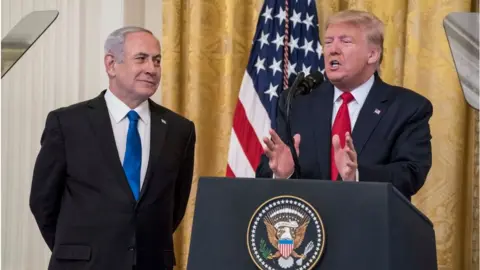
The personal relationship between the two leaders is a key variable. Miller suggests that President Trump possesses enormous leverage over Prime Minister Netanyahu, particularly with Israeli elections on the horizon. Trump cannot directly elect Netanyahu, but his active campaigning or lack thereof could dramatically expand the prime minister's existing political vulnerabilities. This personal friction, layered on top of strategic disagreements, creates a volatile and unpredictable dynamic at the heart of the alliance.
Strategic Gains for the United States?
Miller challenges the notion that the deal is a clear win for the United States. He questions where the strategic gain lies, despite tactical military achievements like the degradation of Iran's ballistic missiles and drones. A meaningful victory for the administration, he argues, would require tangible diplomatic outcomes, such as removing 900 pounds of highly enriched uranium from Iran or securing a long-term moratorium on enrichment. However, he cautions that Iran is a skilled negotiator and may not concede these critical points, leaving the U.S. with a flawed agreement that fails to secure its long-term strategic interests.
Conclusion
The U.S.-Iran deal has ushered in a new and uncertain era for U.S.-Israeli relations. While military cooperation remains deep, the strategic and political foundations of the alliance are under unprecedented stress. The personal dynamic between Trump and Netanyahu adds a further layer of complexity and risk. As the region adjusts to this new reality, the strategic implications for both Israel and the United States remain profound, with the deal potentially representing a strategic defeat not just for Israel, but for American interests in the Middle East as well, according to experts like Miller. The path forward will require careful navigation of these deep-seated challenges.