Read on bbc.com
US Visa Restrictions Create Barriers for World Cup Fans Worldwide
Fans from over 25% of World Cup qualifying nations are facing significant travel bans and visa restrictions that prevent them from attending the 2026 tournament in the US. This article explores the anger and exclusion felt by supporters from countries like Iraq, Ivory Coast, and Senegal, analyzing the impact of President Trump's travel policies and high visa rejection rates. The analysis highlights that the visa system acts as an 'invisible gatekeeper' of the World Cup, potentially undermining the tournament's spirit of global unity.
For millions of football fans, the World Cup represents a pinnacle of sporting passion and global unity. However, for supporters from more than a quarter of the countries that have qualified for the 2026 tournament in the United States, this dream is being shattered by stringent travel bans and visa restrictions. The US administration's policies, including President Trump's travel ban list and high visa rejection rates, are creating a sense of exclusion and anger among fans worldwide.

One such fan is Abdulla Adnan from Iraq, who purchased tickets for his country's matches against Norway and France in Boston and Philadelphia. "To go to a match, a stadium, a crowd, cheering, and see my team - that is worth the world to me," he told the BBC. However, getting a visa has proven impossible. The US suspended consular services in Iraq after the start of the US-Israel war with Iran, leaving Adnan no option but to travel to Jordan for an appointment. When he arrived, he was told the embassy could not serve him because he was not a Jordanian citizen. After spending $1,800 on tickets and travel, he gave up.
Adnan is not alone. Julien Kouadio Adonis from the Ivory Coast's fan association described the restrictions as "a form of segregation that doesn't dare speak its name, but the proof is there. No European country has faced this kind of restriction. Why Africa?" His association decided not to even try to travel to the US because of the regulations, believing a country that does not welcome supporters from qualifying teams should not host the World Cup.
Senegalese fan Aliou Ngom, who attended the last two World Cups in Qatar and Russia, felt there was no point applying for a visa at all. The visa application costs $185, and applicants must attend an in-person interview, demonstrating their intent to return home. The US State Department data revealed that the visa rejection rate for citizens of 11 out of 48 qualifying countries was higher than 40%, compared to an average of 34% for all countries. These countries include Ecuador, Egypt, Haiti, Algeria, Uzbekistan, Cape Verde, Jordan, Iran, the Democratic Republic of the Congo, Ghana, and Senegal.
Even with a visa, entry is not guaranteed. Celine Atallah, an immigration lawyer, explained that the system acts as an "invisible gatekeeper of the World Cup. Fifa can sell a ticket, but the US government decides who gets a visa, and CBP decides who actually enters." Abu Kass, head of the Jordanian football fan association, stated that he doesn't know of a single supporter who has received a visa, despite taking more than 42 documents to his appointment, which was rejected without reason. "This World Cup is not ours," he said. "It's not for Arabs this World Cup, it's for them."
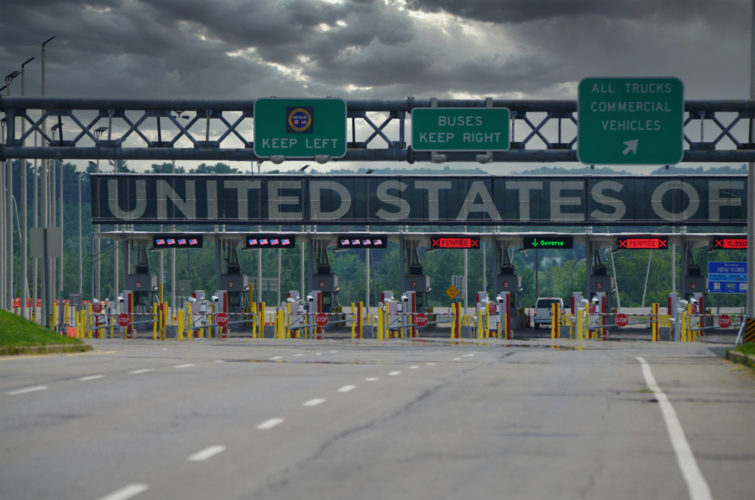
The US administration maintains that its system is rigorous due to challenges in managing the flow of people across borders. A State Department spokesman said the US is "prepared to welcome visitors from around the globe" and that "we adjudicate each visa application on a case-by-case basis after rigorous review and thorough vetting." However, for fans from affected nations, the policies feel discriminatory and exclusionary. The spirit of the World Cup, which celebrates cultures coming together from all over the world, is being undermined by these barriers.