US Denies Entry to Somali World Cup Referee Omar Artan
The United States has denied entry to Omar Artan, a top Somali referee selected for the FIFA World Cup 2026, citing vetting concerns. The decision, confirmed by the Department of Homeland Security, has sparked controversy over US travel restrictions and their impact on international sporting events. Artan, who would have been the first Somali to officiate a World Cup match, arrived in Miami with a valid visa but was turned away. This incident highlights ongoing tensions surrounding the Trump administration's travel bans and raises questions about the intersection of immigration policy and global sports tournaments like the World Cup.
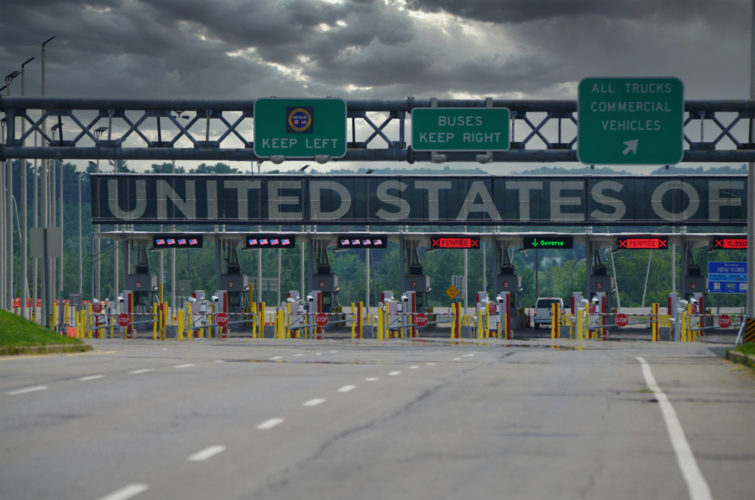
The United States has denied entry to Omar Artan, a prominent Somali referee who was scheduled to officiate at the FIFA World Cup 2026, raising significant concerns about the impact of US travel policies on international sporting events. The Department of Homeland Security (DHS) confirmed to Al Jazeera on Monday that Artan was deemed inadmissible due to vetting concerns after arriving in South Florida on Saturday.

Artan, who is listed among FIFA's 52 World Cup referees, was determined to be inadmissible, according to a DHS spokesperson who did not provide further details. Notably, Artan's arrival in the US suggests he had a valid visa before travel, yet he was still turned away. Somalia is included in President Donald Trump's travel ban list, a policy the president has controversially defended. Artan, one of Africa's top referees, was poised to become the first Somali to officiate a World Cup match, a historic milestone now thwarted.
FIFA confirmed that Artan will be unable to train and officiate at the World Cup after being denied entry. This incident is the latest in a series of controversies surrounding US travel policies and the World Cup, which is co-hosted by Mexico and Canada. For instance, Iran's national team has been forced to stay in Mexico due to visa issues, with some staff members denied US visas entirely.

The Council on American-Islamic Relations (CAIR) has decried the travel bans, with deputy director Edward Ahmed Mitchell stating, "Our nation should not ban anyone from our shores simply because of their race or their ethnicity. That's especially true of a coach or referee or anyone else coming to participate in the World Cup." CAIR argues that Somali visitors undergo the same thorough vetting process as others, and denying entry based on nationality is an affront to US values and the law.
FIFA, which awarded Trump its inaugural peace prize last year, has refrained from criticizing the US decision, stating that host governments ultimately determine who receives a visa and is admitted into the country. This stance has drawn criticism from some quarters, as the World Cup brings together athletes and officials from diverse backgrounds, and immigration policies can directly impact the tournament's integrity.
Earlier this year, Artan expressed his honor at being selected for the World Cup despite the challenges in Somalia, including having to change routes due to explosions. His denial of entry underscores the broader tensions between US immigration policies and global sporting events, with many calling for a more inclusive approach that respects the contributions of immigrant athletes and officials.