US Military Strikes Alleged Drug Boats in Eastern Pacific, Resulting in Five Fatalities
On April 11, 2026, US forces conducted two lethal kinetic strikes on vessels suspected of narco-trafficking in the eastern Pacific, resulting in five deaths. The operation, announced by US Southern Command, targeted boats transiting known drug routes. One individual survived the first strike, while three died in the second. This action highlights ongoing US efforts to interdict maritime drug smuggling, a persistent challenge in the region.
In a significant escalation of maritime interdiction efforts, US forces carried out strikes on two alleged drug trafficking vessels in the eastern Pacific on April 11, 2026, resulting in the deaths of five individuals. The operation was announced by the US Southern Command, which described the actions as "lethal kinetic strikes" against boats suspected of "engaged in narco-trafficking operations" while "transiting along known narco-trafficking routes." This event underscores the persistent and often dangerous confrontation between US naval assets and drug smuggling networks operating in international waters.
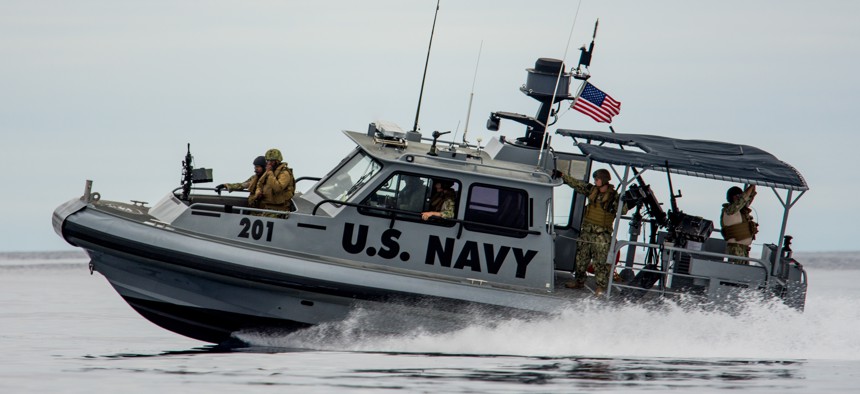
Details of the Operation
The US Southern Command reported that the first strike targeted a vessel, killing two people on board and leaving one survivor. The second strike hit another boat, resulting in three additional fatalities. The command did not specify the exact location of the strikes beyond the eastern Pacific, a vast area known for its use as a transit zone for cocaine and other narcotics heading toward North America. The statement did not disclose whether any US personnel or assets were harmed during the operation.
The use of the term "lethal kinetic strike" indicates that the US forces employed direct, offensive force to neutralize the perceived threat or disrupt illegal activities. Such language is typically used in military contexts to describe actions that involve the use of weapons to cause physical damage or casualties, distinguishing them from non-kinetic measures like cyber operations or psychological warfare.
Context of US Anti-Drug Operations in the Pacific
This incident is part of a broader, sustained campaign by the United States to combat drug trafficking in the eastern Pacific, a region where transnational criminal organizations often operate with impunity. The US Southern Command, which oversees military operations in Central and South America and the Caribbean, regularly conducts patrols and interdictions to stem the flow of narcotics. These operations often involve cooperation with partner nations and utilize a range of assets, including naval vessels, aircraft, and intelligence capabilities.
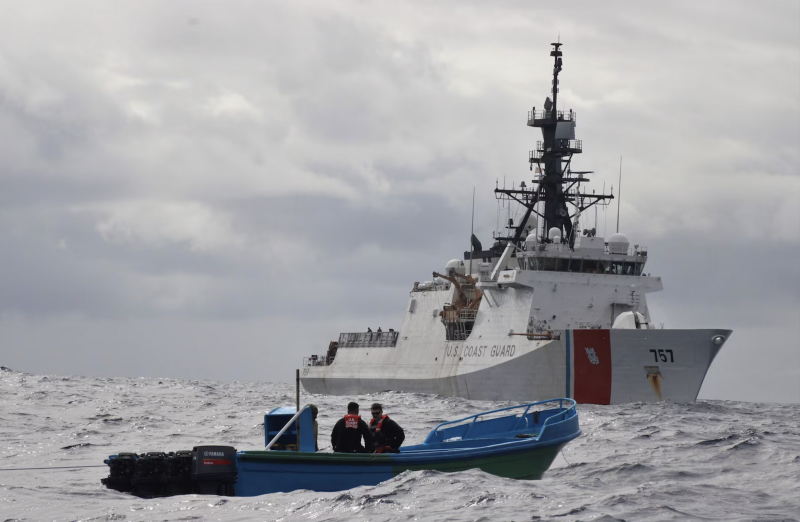
Similar actions have occurred in the past, with the US military occasionally using lethal force against vessels that refuse to stop for inspection or pose a threat to naval personnel. According to reports, such strikes are a tactic of last resort, employed when non-lethal methods of interdiction have failed or are deemed insufficient. The April 11 strikes highlight the high-stakes nature of these encounters, where smugglers often use fast, semi-submersible or go-fast boats to evade detection.
Implications and Reactions
The operation has drawn attention to the human cost of the drug war and the legal complexities of using lethal force in international waters. While the US government maintains that such actions are necessary to protect national security and disrupt criminal networks, critics argue that they can lead to civilian casualties and raise questions about the rules of engagement. Official statements from US Southern Command emphasized that the strikes were conducted on vessels "allegedly" engaged in trafficking, suggesting that the determination was based on intelligence and observed behavior.
The incident also comes amid ongoing discussions about US drug policy and international cooperation in counternarcotics efforts. Countries in Latin America and the Caribbean have long been affected by the violence and corruption fueled by the drug trade, and some have called for more comprehensive strategies that address demand reduction and alternative development. The US government, for its part, continues to prioritize interdiction and law enforcement operations.

Conclusion
The strikes on April 11 represent a stark reminder of the violent consequences of the drug trade and the lengths to which governments are willing to go to combat it. As the US military continues its operations in the eastern Pacific, the balance between effective law enforcement and the protection of human life remains a critical and challenging issue. Future developments in this area will likely be shaped by evolving tactics of trafficking organizations, advances in surveillance and interdiction technology, and the broader policy debates surrounding the global war on drugs.
For more information, see the original report from CGTN.