Read on bbc.com
Ghana's Anti-LGBTQ+ Bill Faces Presidential Scrutiny Before Potential Enactment
Ghanaian President John Mahama has announced that a recently passed anti-LGBTQ+ bill will be carefully scrutinized by his legal counsel and attorney general before any potential approval. The bill, passed by parliament, proposes prison sentences for individuals identifying as part of the LGBTQ+ community and includes a duty to report prohibited acts to police. President Mahama indicated that procedural lapses in the bill's passage are being addressed by the Speaker of Parliament. This marks the second time such legislation has been backed by MPs, following a previous version that former President Akufo-Addo did not assent to before leaving office. Rights groups have widely criticized the bill for infringing on sexual minorities' rights, while advocates argue it preserves Ghanaian family values. The development places Ghana among several African countries recently cracking down on LGBTQ+ rights.
Ghanaian President John Mahama has announced that a newly passed anti-LGBTQ+ bill will undergo careful scrutiny before any potential approval, signaling a period of deliberation for the controversial legislation. The bill, passed by parliament on Friday, proposes up to three years imprisonment for individuals identifying as lesbian, gay, bisexual, transgender, or queer, and establishes a statutory 'duty to report' prohibited acts to law enforcement authorities. President Mahama made these remarks during a visit to the UK, stating that his legal counsel and attorney general would 'sit on it because it was a private members' motion... not a government bill.' This development marks a critical juncture in Ghana's ongoing debate over LGBTQ+ rights and legal protections.
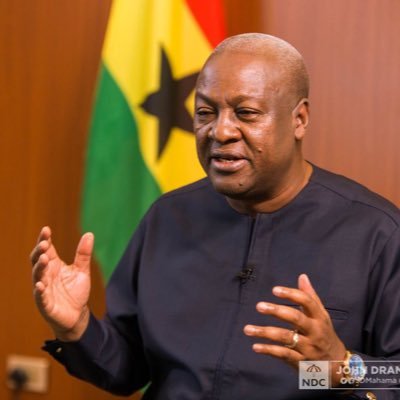
The bill's passage by parliament represents the second time such legislation has been advanced in Ghana. A similar bill was first introduced in August 2021 following the shutdown of an LGBTQ+ resources center in the capital, Accra. President Mahama's predecessor, Nana Akufo-Addo, failed to give his assent to that version before leaving office last year, citing multiple lawsuits challenging its constitutionality at the Supreme Court. The current bill was reintroduced by a cross-party group of MPs and includes some modifications from the 2024 version.
Parliamentary members of Ghana's minority party have expressed concerns that amendments to the current legislation have 'watered it down.' Minority spokesperson John Ntim Forjour explained that the bill 'appears, and not only appears, substantially has lost the force and the bite and the thrust, the deterrence, the efficacy that it contained and carried in 2024.' The current version exempts punishment for legal, healthcare, and media professionals who provide medical treatment or other services for gay people, or report on LGBTQ+ news. However, individuals who identify as an 'ally'—a supporter of LGBTQ+ people—could still face a prison sentence.

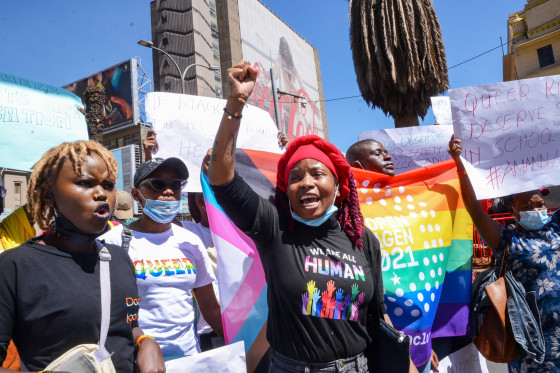
President Mahama indicated that the bill would be referred to the Council of State—his advisors—if any problems are identified during the scrutiny process. Since coming into power last year, Mahama has faced pressure from religious leaders to strengthen anti-gay measures, which already ban same-sex relationships under laws dating from the British colonial era. The president has acknowledged procedural lapses in the bill's passage, which are being addressed by the Speaker of Parliament. Rights groups, including Human Rights Watch, have recommended the bill be abandoned, arguing it infringes on the rights of sexual minorities. Conversely, advocates of the bill contend it will help preserve Ghanaian family values.
This legislative development places Ghana among several African nations that have recently intensified crackdowns on LGBTQ+ rights. In March, Senegal's parliament approved similar legislation prescribing a maximum prison term of 10 years for sexual acts by same-sex couples and criminalizing the 'promotion' of homosexuality. Uganda introduced a death penalty for certain same-sex acts in 2023. President Mahama's decision to scrutinize the bill before approval suggests a more cautious approach compared to some neighboring countries, though the ultimate outcome remains uncertain as legal and political processes unfold.