World's Oldest Gorilla Fatou Celebrates 69th Birthday at Berlin Zoo
Fatou, a western lowland gorilla residing at Zoo Berlin, has celebrated her 69th birthday, cementing her status as the world's oldest known gorilla. Born in 1957, she surpassed the typical lifespan of wild gorillas by decades, highlighting exceptional care in captivity. The event featured a special birthday treat of vegetables, as her diet is managed to prevent age-related health issues. Zoo officials noted that although Fatou has arthritis, she maintains good mobility. Her longevity offers a unique case study in primate aging and the advantages of a protected environment with consistent veterinary oversight.
Fatou, a western lowland gorilla recognized by Zoo Berlin as the world's oldest, marked a remarkable milestone on April 13, 2026, celebrating her 69th birthday. The event, which drew international attention, underscored her status as an exceptional primate who has far surpassed the typical lifespan of gorillas in the wild. According to the zoo, zookeeper Christian Aust noted that such an age is "very unusual" for a gorilla, as their wild counterparts typically live between 35 and 45 years.
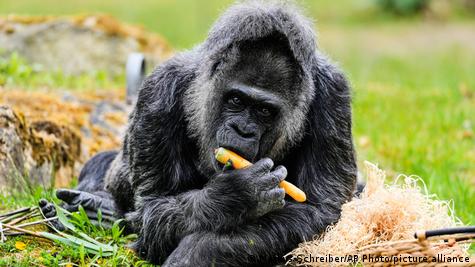
To commemorate her birthday, keepers presented Fatou with a bamboo bouquet and a basket of vegetables, including lettuce, tomatoes, beetroot, and broccoli. Notably absent from her birthday spread was fruit, which is no longer part of her diet due to its high sugar content. The zoo explained this dietary restriction is to prevent obesity and metabolic disorders, common health concerns for older animals.
Fatou's Journey to Berlin
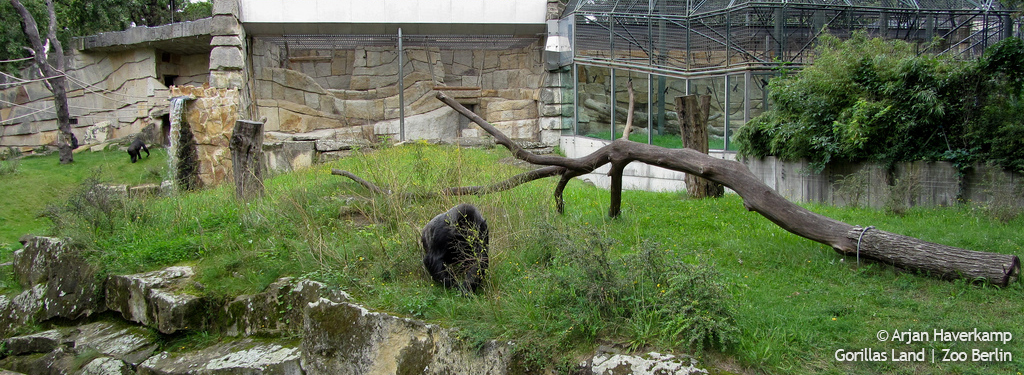
Fatou arrived in the German capital in 1959, a young gorilla who would go on to spend the vast majority of her life under the care of Zoo Berlin. Her arrival predates many modern zoological practices, making her one of the institution's longest-standing residents. Today, she lives in a separate enclosure, away from the zoo's younger gorillas, to enjoy a quieter and more peaceful environment tailored to her geriatric needs. This careful management allows curators to monitor her health closely, ensuring she receives the specific care required for her advanced age.
Health and Longevity in Captivity
Despite her age, Fatou remains relatively active. Curator Jennifer Hahn confirmed that Fatou has arthritis, which prevents her from fully extending her joints. "She can no longer fully extend her joints, so she can't completely straighten her legs and arms," Hahn said. Despite this condition, the gorilla is still able to move around quite well, a testament to her robust constitution and the attentive care she receives.
The Benefits of Captive Care
The zoo attributes Fatou's extraordinary longevity to the protective environment of human care. In a press release, they highlighted that animals in human care often live significantly longer than those in the wild because they are shielded from predators and receive regular, proactive veterinary care. In their natural habitat, older and weaker animals are more vulnerable to predators, rivals, and food shortages, which drastically shortens their lifespans. This birthday is a celebration not just of Fatou's individual spirit, but of the dedicated conservation and animal husbandry practices at Zoo Berlin.

Fatou's 69th birthday serves as a powerful reminder of the incredible resilience of wildlife and the profound responsibility of zoological institutions in caring for the planet's most remarkable creatures.