Read on nature.com
Europe is ditching US tech — what does this mean for researchers?
European governments and research institutions are increasingly moving away from US technology providers, driven by concerns over data privacy, academic freedom, and geopolitical shifts. This article explores the implications for researchers, including changes in digital infrastructure, the push for open-source alternatives, and the move toward European tech sovereignty. Researchers may face disruptions but also opportunities to engage with new tools and collaborative frameworks.
Across Europe, a significant shift is underway: governments and research institutions are reducing their reliance on US technology companies. On 3 June, the European Commission announced the European Tech Sovereignty Package, a set of proposals aimed at enhancing digital autonomy, including boosting home-grown cloud services, artificial intelligence, and open-source technologies. Henna Virkkunen, the commission’s executive vice-president for tech sovereignty, security and democracy, stated, “We live in a world where geopolitics and technology are inseparable. It is time for Europe to be in control of its data, of its supply chains and of its future in a clean and sustainable way.” This move raises critical questions for researchers who have long depended on US-based digital tools and platforms.
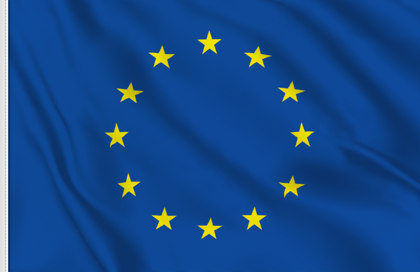
The push for digital sovereignty is not new, but recent political developments in the United States — including concerns over data privacy and declining academic freedom — have accelerated efforts in several European countries. France, Germany, and Denmark are at the forefront of this transition, with some institutions already cancelling contracts for US digital products. For researchers, this means adapting to a changing technological landscape that prioritizes European alternatives, such as open-source operating systems like Linux and home-grown communication platforms like Visio. This article examines what these changes mean for the scientific community and how researchers can navigate this evolving environment.
The Drivers Behind Europe’s Tech Shift
Geopolitical and Privacy Concerns
The move to ditch US tech stems from a confluence of geopolitical and privacy concerns. According to Pierre Senellart, vice-president of digital infrastructure and IT convergence at PSL University in Paris, “There is an increasing understanding that it might be a good idea to move away from systems managed by US companies.” Worries over data privacy under US surveillance laws, combined with a perceived decline in academic freedom in the United States, have prompted European policymakers to seek greater control over their digital ecosystems. The European Tech Sovereignty Package formalizes these aspirations, aiming to secure data, supply chains, and technological independence.

Research Institutions Leading the Change
Research institutions are among the most active in decoupling from US technologies. In December, the French National Centre for Scientific Research (CNRS) banned its employees from using consumer chatbots built outside Europe, such as ChatGPT from OpenAI and Google’s Gemini. Instead, the CNRS offered staff access to Emmy, a generative AI tool from the Paris-based startup Mistral AI, described as a secure alternative to large language models from the US and China. This shift is already affecting researchers at institutions like PSL University, where many scholars have transitioned to Visio — a French-developed video conferencing platform — after the CNRS terminated its contract with Zoom.
What This Means for Researchers
Navigating New Digital Tools and Platforms
For researchers, the transition away from US tech presents both challenges and opportunities. Many French universities remain heavily reliant on IT services from US giants like Microsoft, so determining when and how to replace these systems is a complex task, notes Senellart. In Germany, the state of Schleswig-Holstein has begun replacing Microsoft’s tools with open-source alternatives. At Kiel University, active discussions about digital sovereignty—specifically regarding the independence of digital services and processing of sensitive data—have been ongoing for months, says Veronika Penner, the university’s chief digital officer. She emphasizes that the university is increasingly considering open-source and digitally sovereign alternatives when procuring new tools.

Data Infrastructure and Preservation
Beyond software, data infrastructure is a key focus. The German Research Foundation (DFG) has put forward recommendations for building more-resilient data infrastructure, urging researchers to prioritize using open-source European products responsibly. The DFG has also launched a funding initiative to preserve endangered data sets stored in foreign repositories but crucial to European researchers. The first four funded projects all involve US data sets, highlighting the stakes of cross-border data reliance. For researchers, this means greater attention to where and how data is stored, and a push toward European hosting solutions.
Opportunities for European Tech and Collaboration
Strengthening European Innovation
This shift also opens doors for European tech companies and collaborative research networks. By embracing home-grown tools, researchers can contribute to and benefit from a more vibrant European innovation ecosystem. Mistral AI’s Emmy, for example, offers a secure AI alternative that aligns with EU data protection standards. Similarly, open-source platforms like Linux and Visio empower institutions to tailor solutions to their specific needs while maintaining digital sovereignty.
Building a Collaborative Future
The move away from US tech encourages greater collaboration within Europe and with like-minded regions. Researchers may find new opportunities to participate in developing standards, protocols, and tools that prioritize transparency and data protection. As Penner notes, the conversation around digital sovereignty is not just about independence but about building a resilient, ethical digital infrastructure that serves the academic community.

Conclusion
Europe’s move to ditch US technology is a transformative development for researchers, driven by valid concerns over data privacy, academic freedom, and geopolitical stability. While the transition requires navigating new tools and systems, it also presents an opportunity to strengthen European digital sovereignty and foster innovation. As the European Tech Sovereignty Package unfolds, researchers must stay informed, adapt to changes, and actively participate in shaping a more autonomous and secure digital research environment. The shift may be challenging, but it promises a future where European researchers can control their data, infrastructure, and technological destiny.