Israeli Soldiers Sing National Anthem on Lebanese Ruins: Context and Reactions
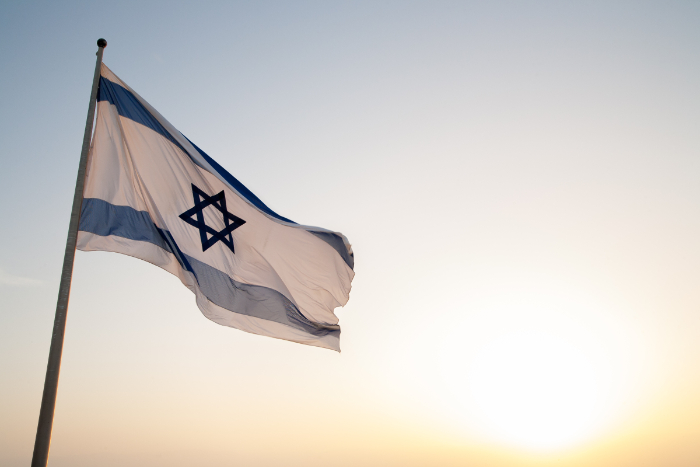
Video footage published by Al Jazeera shows dozens of Israeli soldiers singing the Israeli national anthem, 'Hatikvah,' on the ruins of a demolished town in southern Lebanon. The soldiers planted Israeli flags amidst destroyed buildings during what was reportedly a 'Memorial Day' observance. This incident occurs within the broader context of ongoing military operations and occupation in the area, raising significant questions about the symbolism of the act and its implications for regional tensions.
A recent video published by Al Jazeera has drawn international attention, depicting a scene laden with powerful and contentious symbolism. The footage shows dozens of Israeli soldiers gathered on the rubble of a destroyed town in southern Lebanon, singing the Israeli national anthem, 'Hatikvah.' Israeli flags were planted among the ruins, an act the soldiers reportedly conducted in observance of 'Memorial Day.' This event, occurring within an active conflict zone, encapsulates the complex interplay of national remembrance, military presence, and the stark reality of war's destruction.

The Incident and Its Immediate Context
According to the Al Jazeera report, the video was published on April 21, 2026. It captures Israeli soldiers singing their national anthem amidst the skeletal remains of buildings in a southern Lebanese town. The act was framed by the participants as part of 'Memorial Day' (Yom HaZikaron) commemorations, an Israeli holiday honoring fallen soldiers and victims of terrorism. However, the chosen location—the ruins of a Lebanese town within an occupied area—transforms a domestic act of remembrance into a geopolitical statement.
Symbolism and Interpretation
The symbolism of the event is multifaceted and deeply contested. From one perspective, the singing of the anthem on foreign soil, surrounded by national flags, can be interpreted as an assertion of sovereignty and military control. It visually reinforces the presence of the Israeli military in the area. Conversely, holding a solemn memorial service on the site of recent destruction intertwines national grief with the tangible consequences of conflict for the local Lebanese population. The juxtaposition of a patriotic ceremony against a backdrop of devastation makes the incident a potent symbol for different audiences.
Broader Conflict Background
This incident does not occur in a vacuum. It takes place within the context of ongoing Israeli military operations and occupation in parts of southern Lebanon. The area has a long history of conflict, including the 2006 war between Israel and Hezbollah, and has remained a flashpoint. The presence of Israeli soldiers singing in a demolished town underscores the persistent state of tension and the human cost of the conflict, which includes displacement, loss of life, and widespread infrastructural damage.
Potential Repercussions and Reactions
The dissemination of this video is likely to provoke strong reactions on multiple fronts. Within Israel, it may be viewed by some as a powerful display of resilience and remembrance. In Lebanon and across the Arab world, it is likely to be perceived as a provocative act of defiance and a stark reminder of occupation and destruction. Internationally, it could influence diplomatic perceptions and complicate efforts towards de-escalation. The act risks inflaming existing tensions and could be used as a rallying point for propaganda by various actors in the conflict.
Media's Role in Conflict Narratives
The publication of this video by Al Jazeera, a major global news network, highlights the media's critical role in shaping conflict narratives. By choosing to broadcast this specific footage, the network brings a visually dramatic moment to a worldwide audience, ensuring the event becomes a topic of international discussion. The framing of the report inevitably influences how different viewers interpret the soldiers' actions, whether as a legitimate memorial or a calculated provocation.
Conclusion
The image of Israeli soldiers singing their national anthem on the ruins of a Lebanese town is a stark encapsulation of the enduring and painful Israeli-Lebanese conflict. It merges themes of national memory, military power, and the devastating aftermath of war. While the soldiers may have intended it as an act of remembrance, its execution on occupied and destroyed foreign land ensures it will be viewed through a much wider political lens. This incident serves as a reminder of how symbols and actions in conflict zones are rarely neutral, carrying weight that resonates far beyond their immediate context and contributing to the complex tapestry of regional strife.