Read on bbc.com
Economic Fallout: Iran's Mass Unemployment Crisis Amid Conflict
Iran is grappling with a severe economic crisis marked by mass redundancies directly and indirectly linked to its conflict with the US and Israel. Official reports indicate two million job losses, impacting sectors from manufacturing and retail to the digital economy. The crisis is exacerbated by an internet blackout, disrupted supply chains, soaring inflation, and reduced consumer spending, creating a perfect storm of economic hardship for millions of Iranians.
Iran is facing a profound economic and social crisis, with a massive wave of redundancies sweeping across the nation as a direct consequence of its ongoing conflict with the United States and Israel. This economic shockwave extends far beyond the immediate damage of military strikes, deeply affecting the livelihoods of ordinary citizens and the stability of key industries. The situation presents a complex challenge where geopolitical tensions have triggered a domestic employment catastrophe, with warnings that conditions could deteriorate further if hostilities resume.

The Scale of the Unemployment Crisis
According to Iran's Deputy Work and Social Security Minister, Gholamhossein Mohammadi, approximately two million people have lost their jobs because of the war. This staggering figure represents one of the most significant topics of conversation among Iranians on social media, where the reality of the crisis is palpable. Users report visible signs of economic contraction, from eerily empty metro cars and abundant office parking spaces to significantly reduced traffic on major highways like Tehran's Hemmat, where commute times have been halved.
Sectors in Distress
The impact of the conflict is not limited to factories damaged by air strikes. The redundancy wave has engulfed a broad spectrum of the economy.
Manufacturing and Heavy Industry
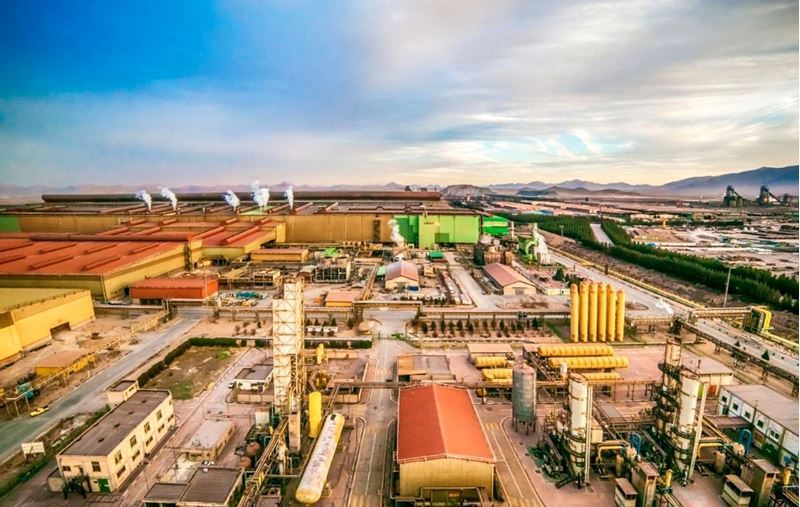
Strategic strikes in late March and early April targeted Iran's industrial backbone, including major petrochemical plants in Asaluyeh and Mahshahr and large steel manufacturers like Mobarakeh Steel and Khuzestan Steel. While tens of thousands lost jobs directly at these sites, the ripple effect is far greater. Hundreds of thousands more work in companies that supply these industries or rely on them for raw materials. Iran's massive automotive sector, which employs an estimated one million people directly and indirectly, has reported widespread layoffs across its supply chain due to these disruptions.
Digital and Tech Sector
The government's imposition of an internet blackout for security reasons has severely damaged Iran's previously thriving technology and digital sectors. The shutdown, which officials say prevents surveillance and cyber-attacks, has had a devastating economic cost. Former Information and Communication Technology Minister Sattar Hashemi estimated that each day of blackout costs the economy at least 50 trillion rials (approximately $35 million). With the internet shut down for 52 days since the war began, the total cost exceeds $1.8 billion. This has been particularly damaging for female entrepreneurs and earners, hundreds of thousands of whom relied on platforms like Instagram to connect with customers and sell products.
Trade, Retail, and Consumer Spending
Disruption in the Strait of Hormuz has crippled import and export activities. An executive from a manufacturing firm in Qom reported to the BBC that production halted because foreign suppliers feared their ships would not be permitted into Iranian waters. Similarly, a textile company reportedly fired 600 of its 650 personnel after losing the ability to import raw materials from Australia. On the domestic front, consumer spending has plummeted as people cut back to essentials, reducing demand in tourism, restaurants, and non-grocery retail.
Government Response and Deepening Hardship
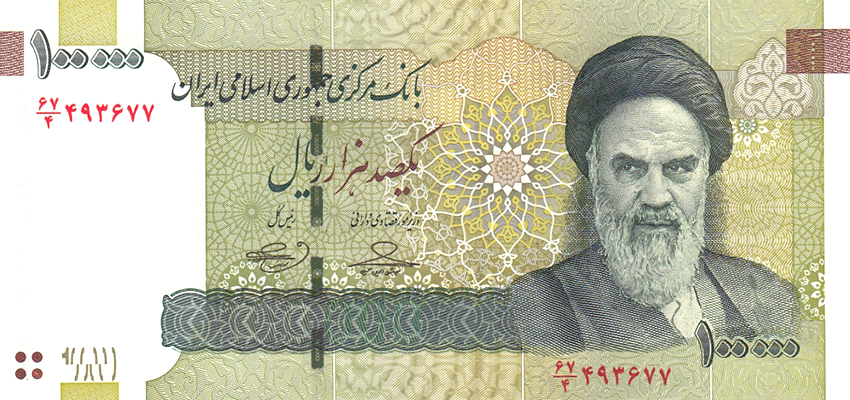
The government's response includes a loan scheme for small businesses, offering 440 million rials (less than $300) per worker, which must be repaid within six months with interest rates between 18% and 35%. Many companies are resorting to forcing employees into unpaid leave or making redundancies with vague promises of rehiring when conditions improve. This crisis compounds existing severe economic pressures. The official inflation rate surpassed 50% in March 2026, and experts warn it is likely to climb further. If the war resumes or strict international sanctions persist, the combination of air strikes, economic downturn, mass unemployment, and runaway inflation could create a devastating humanitarian situation for tens of millions of Iranians.
The economic fallout from the conflict has created a perfect storm in Iran. Mass unemployment, triggered by direct war damage, supply chain collapse, and digital isolation, is eroding the economic foundation of society. With inflation soaring and consumer confidence shattered, the crisis threatens to deepen social instability. The path to recovery appears fraught, heavily dependent not only on the cessation of hostilities but also on the rebuilding of shattered industries and the restoration of Iran's connections to the global economy.