Read on FashionNetwork.com
UK Textiles Pact Progress Derailed by Soaring Production Volumes
The UK Textiles Pact faces significant challenges as new data from WRAP reveals that despite per-tonne reductions in carbon and water usage, overall environmental impact has increased due to a 17% surge in textile production since 2019. While carbon emissions decreased by 6% and water usage dropped by 9% per tonne, total carbon footprint rose by 10% and water consumption increased by 7% overall. The industry now requires a radical transformation to meet its 2030 targets of 50% carbon reduction and 30% water reduction.
The UK fashion and textiles industry faces a critical sustainability crossroads as new data reveals that progress toward environmental targets is being undermined by increasing production volumes. According to the latest report from WRAP (Waste & Resources Action Programme), the industry's collective efforts to reduce carbon emissions and water consumption are being outpaced by growing textile output, creating an urgent need for systemic change.

Progress Undermined by Volume Growth
The latest assessment of the UK Textiles Pact reveals a concerning paradox: while individual efficiency improvements have been achieved, overall environmental impact continues to worsen. The data shows a 6% reduction in carbon emissions and a 9% reduction in water usage per tonne of textiles compared to 2019 baseline levels. However, these gains have been completely offset by a substantial 17% increase in total textile production volume during the same period.
This volume growth has resulted in a net increase of 10% in the Pact's total carbon footprint and a 7% rise in overall water consumption. As WRAP's report highlights, the progress made at per-tonne level has been eradicated by the continued growth in production of new products, confirming warnings the organization has repeatedly issued about the fundamental challenge of decoupling commercial growth from environmental impact.
New Roadmap for 2030 Targets
In response to these concerning trends, WRAP has developed a revised UK Textiles Pact Roadmap following urgent discussions with industry signatories. The new strategy aims to address the systemic barriers that have prevented the scale and speed of progress needed to achieve the Pact's ambitious 2030 targets. The updated approach focuses on three key areas that will enable more effective and accelerated action across the sector.
The revised roadmap introduces new indicators to help companies prioritize the most impactful actions, reducing decision-making time and increasing implementation speed. It also provides greater flexibility, allowing signatories to focus more intensively on specific indicators according to their individual business needs while collectively contributing to shared environmental goals. Additionally, the plan introduces a new workstream specifically targeting upstream emissions through supply chain decarbonization initiatives.
Industry Leadership Perspective
Catherine David, CEO at WRAP, emphasized the critical nature of this challenge while highlighting the sector's innovative potential. She noted that the textiles industry continues to demonstrate remarkable innovation and new thinking, but faces the fundamental challenge of decoupling commercial growth from carbon and water-intensive primary materials. The transition to circular living requires better products and services for consumers while maintaining economic viability.
David pointed to game-changing advances in technologies and business models that have emerged through the UK Textiles Pact, with new collaborations challenging old assumptions and transforming niche practices into mainstream consumer behavior. The updated roadmap provides essential tools and pathways for the next phase of circular growth in the textiles sector, addressing systemic challenges while accelerating innovative solutions.
Government Support and Commitment
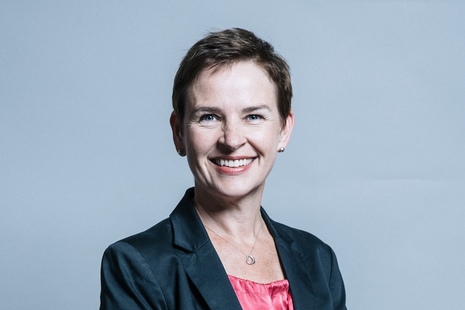
The initiative has received strong backing from government officials, with Circular Economy Minister Mary Creagh affirming the commitment to moving toward a circular economy where waste is reduced and resources are properly valued. The minister emphasized that fashion should not cost the Earth and welcomed the updated UK Textiles Pact Roadmap as a crucial step in driving climate action and circular innovation.
Through the government's Circular Economy Strategy, support will be provided for growth in the sustainable textiles sector, with the updated roadmap serving as a key framework for achieving true circularity in the industry. The collaborative approach aims to engage as many businesses as possible in the journey toward environmental sustainability and economic resilience.
The UK Textiles Pact represents a critical collective effort to transform one of the world's most resource-intensive industries. While current challenges are significant, the renewed commitment from industry leaders and government partners, combined with innovative approaches and collaborative action, provides a foundation for meaningful progress toward the 2030 environmental targets and a more sustainable future for fashion and textiles.