Read on nature.com
Breakthrough Prizes 2026: Muon Physics and Gene Therapy Innovations Awarded
The 2026 Breakthrough Prizes, some of the most lucrative awards in science, have recognized groundbreaking achievements in particle physics and gene therapy. Researchers measuring the magnetic properties of the muon particle with unprecedented precision share a $3 million prize, seemingly confirming the standard model of particle physics while highlighting remaining mysteries. In life sciences, three prizes were awarded for transformative gene therapies, including the development of Luxturna, the first FDA-approved gene-augmenting therapy for inherited retinal disease, and the discovery of a common genetic mutation linking frontotemporal dementia and motor neuron disease.
The 2026 Breakthrough Prizes, announced on April 18th, have awarded $3 million each to teams of scientists whose work pushes the boundaries of human knowledge and medical treatment. These prestigious awards, among the most lucrative in science, celebrate profound discoveries in fundamental physics and life-saving advancements in genetic medicine. This year's winners include hundreds of collaborators who spent decades meticulously measuring a subatomic particle and pioneering researchers who developed the first gene therapy for a form of inherited blindness.

Precision Physics: The Magnetic Muon Measurement
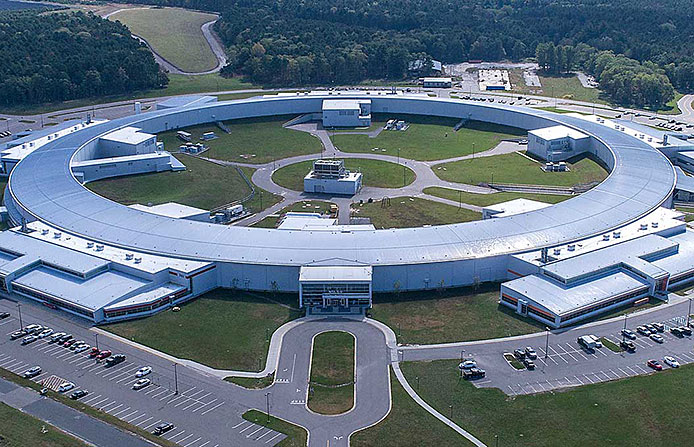
A major prize was awarded to the international collaboration of physicists dedicated to measuring the magnetic properties of the muon, a fundamental subatomic particle. The final results, announced last year from experiments at Fermilab in Illinois, Brookhaven National Laboratory in New York, and CERN in Switzerland, pinned down the muon's magnetic moment—quantified by its 'g-factor'—to an astonishing precision of 127 parts per billion. This measurement is a monumental test of the Standard Model of particle physics, the theoretical framework describing the fundamental forces and particles in the universe.
David Hertzog, a nuclear physicist at the University of Washington in Seattle and a member of the winning team, expressed exhilaration at the recognition, noting the delight was in the satisfaction that the entire collaborative effort could be acknowledged. While the results appear to confirm the Standard Model's predictions, Hertzog cautions it is not yet "game over" for new physics. A significant mystery remains: two independent theoretical methods used to calculate the model's predictions for the muon's magnetism disagree drastically, leaving an open question for future research to resolve.
Transformative Advances in Gene Therapy
Three life-sciences Breakthrough Prizes were awarded for pioneering work in gene therapy. Ophthalmologists Jean Bennett and Albert Maguire, along with physician Katherine High, all from the University of Pennsylvania, were recognized for developing Luxturna (voretigene neparvovec). This therapy, the first gene-augmenting treatment approved by the U.S. Food and Drug Administration (FDA), treats an inherited retinal disease caused by mutations in the RPE65 gene.
The therapy delivers a functional copy of the RPE65 gene directly into retinal cells using a modified adeno-associated virus. In individuals with the disease, a light-sensitive molecule called 11-cis retinal fails to function correctly, leading to progressive blindness. Clinical trials showed dramatic improvements; within 30 days of treatment, participants who previously struggled to navigate obstacle courses in low light showed significantly enhanced ability. High described the win as surreal, learning of it while on a train and having to stifle a scream. She plans to donate her share of the prize to charities and hospitals aiding people in poverty.
Genetic Discovery Linking Neurodegenerative Diseases
A separate prize was shared by neurogeneticist Rosa Rademakers of the University of Antwerp and neurologist Bryan Traynor of the U.S. National Institute on Aging for their independent discovery of a common genetic root for two devastating neurodegenerative diseases. They found that an inherited form of frontotemporal dementia (FTD) and amyotrophic lateral sclerosis (ALS, or motor neuron disease) are both caused by a mutation in the C9ORF72 gene.
Rademakers made the connection by examining tissue samples and realizing that family members of individuals with a specific type of FTD were also diagnosed with ALS. This groundbreaking discovery has unified the understanding of these conditions, revealing they are part of a spectrum disorder with a shared genetic cause, opening new avenues for targeted research and potential therapies.
The 2026 Breakthrough Prizes highlight the power of long-term, collaborative scientific inquiry and its direct impact on human health. From confirming the bedrock theories of the universe to restoring sight and unraveling the genetics of neurodegeneration, these awards celebrate the relentless pursuit of knowledge that defines science at its best. The work of these laureates not only advances their respective fields but also offers tangible hope, demonstrating that precise measurement and genetic insight can lead to profound transformations in our understanding of the world and our ability to heal.