Dietary Defense: How Milk and Wheat Proteins Could Dramatically Reduce Cholera Risk
A groundbreaking study from the University of California, Riverside reveals that dietary proteins—specifically casein from dairy and wheat gluten—can dramatically reduce cholera colonization in the gut by up to 100 times. The research demonstrates how these proteins disable a key bacterial weapon, offering a potential low-cost, antibiotic-free strategy to combat this deadly diarrheal disease. This discovery could transform public health approaches in vulnerable regions where cholera remains a persistent threat.
Cholera, a severe bacterial infection causing life-threatening diarrhea, has long been combated through water sanitation, rehydration therapy, and antibiotics. However, a surprising new frontier in this fight may be emerging from an unexpected source: the dinner plate. Research from the University of California, Riverside, published in Cell Host & Microbe, suggests that simple dietary components could serve as powerful, natural defenses against this pathogen, potentially reducing infection levels by orders of magnitude.

The Protein Powerhouse Effect
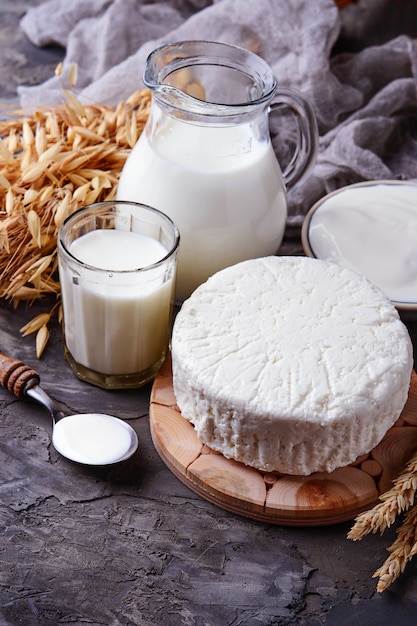
The study, led by Associate Professor Ansel Hsiao, investigated how different macronutrients affect the ability of Vibrio cholerae to colonize the gut. Researchers fed infected mice diets varying in protein, carbohydrates, and fat content. The results were striking. While high-fat diets showed little impact and carbohydrate-heavy diets offered only modest benefits, diets rich in specific proteins produced a remarkable effect. Casein, the primary protein in milk and cheese, and wheat gluten dramatically reduced cholera colonization—in some cases by up to 100-fold compared to a balanced diet.
"I wasn't surprised that diet could affect the health of someone infected with the bacteria. But the magnitude of the effect surprised me," Hsiao noted in the study summary. This finding shifts the paradigm from viewing diet merely as supportive care to recognizing it as a potential active intervention against infectious disease.
Disarming the Bacterial Weapon
The mechanism behind this protective effect centers on a critical bacterial structure. Cholera bacteria employ a microscopic, syringe-like apparatus called the type 6 secretion system (T6SS) to inject toxins into competing microbes and host cells, allowing them to dominate the gut environment. The research revealed that casein and wheat gluten proteins interfere with this system, effectively disarming the bacteria's primary competitive weapon.

When the T6SS is suppressed, cholera struggles to eliminate the diverse community of beneficial microbes in the gut. This healthy microbiome then acts as a natural barrier, preventing the pathogen from establishing a foothold. This discovery provides a clear biological explanation for the observed dietary protection, moving beyond correlation to causation.
A Public Health Imperative for Vulnerable Regions
Cholera remains a devastating public health challenge, particularly in regions of Asia and Sub-Saharan Africa with limited access to clean water and sanitation. While antibiotics can shorten the duration of illness, they do not neutralize the potent toxins already released, and their overuse accelerates the global crisis of antimicrobial resistance. Dietary strategies offer a compelling alternative.
"Dietary strategies won't generate antibiotic resistance in the same way a drug might," Hsiao emphasized. Furthermore, incorporating readily available, safe food proteins into public health guidelines could be more feasible and cost-effective than distributing pharmaceuticals. "Wheat gluten and casein are recognized as safe in a way a microbe is not, in a regulatory sense, so this is an easier way to protect public health," he added.
Future Directions and Broader Implications
While the current findings are based on mouse models, the researchers believe the principles likely translate to humans. The next phase of research will explore how high-protein diets influence the human gut microbiome and whether similar protective effects can be demonstrated against other infectious bacteria. "Some diets will be more successful than others, but if you try this for pathogens other than cholera, I suspect we'll also see a beneficial effect," Hsiao speculated.
This research opens a new avenue for preventive health, suggesting that nutritional epidemiology and infectious disease control are deeply interconnected. It reinforces the concept that a well-nourished body, supported by a robust microbiome, is inherently more resilient to pathogen invasion.
Conclusion
The University of California, Riverside study presents a transformative insight: the food we consume can directly alter the battlefield within our gut, tipping the scales in favor of health over disease. The potent anti-cholera effect of casein and wheat gluten proteins offers hope for a simple, scalable, and sustainable adjunct to traditional cholera control measures. As research progresses, dietary modulation may become a cornerstone strategy not only for cholera but for a wider array of infectious threats, proving that sometimes, the most powerful medicine is already on our plate.