How 7 Days of Meditation Can Rewire Your Brain and Body
A groundbreaking study from the University of California San Diego reveals that a single week of intensive meditation and mind-body practices can trigger profound biological changes. Researchers observed enhanced brain efficiency, increased neuroplasticity, boosted immune signaling, and a rise in the body's natural pain relief chemicals. Remarkably, these changes mirrored brain states typically associated with psychedelic substances, achieved entirely without drugs. This research provides compelling evidence for the powerful, measurable connection between focused mental practice and physical health.
For centuries, meditation has been revered for its calming effects, but modern science is now revealing its capacity to fundamentally reshape our biology. A landmark study conducted by researchers at the University of California San Diego demonstrates that just seven days of dedicated mind-body practice can produce measurable, systemic changes across the brain and body. Published in Communications Biology, this research moves beyond anecdotal evidence, offering concrete data on how practices like meditation can rewire neural pathways, enhance immunity, and even mimic the therapeutic brain states of psychedelics—all without pharmacological intervention.

The Science Behind the Seven-Day Transformation
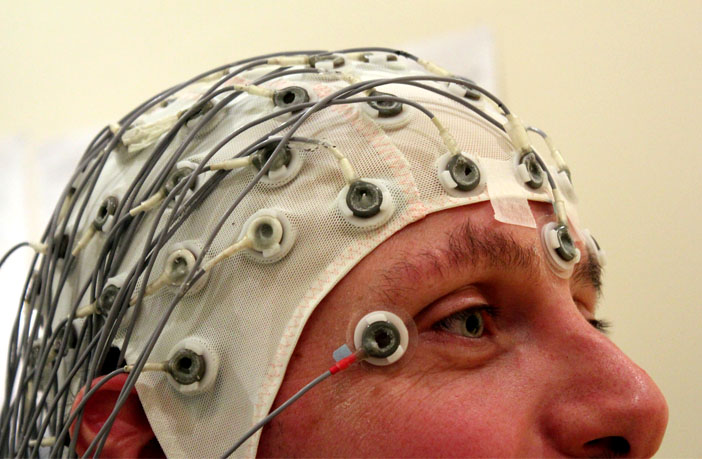
The study, part of a larger initiative funded by the InnerScience Research Fund, followed 20 healthy adults through a weeklong residential retreat. Participants engaged in approximately 33 hours of guided meditation, lectures, and group-based healing activities led by neuroscience educator Joe Dispenza. Using an "open-label placebo" approach, where participants were aware of the placebo elements, the program leveraged expectation and social connection to amplify effects. Before and after the retreat, scientists employed functional magnetic resonance imaging (fMRI) to scan brain activity and analyzed blood samples to track molecular changes.
Measurable Biological Shifts
The post-retreat analysis revealed a cascade of significant biological alterations. In the brain, activity decreased in regions associated with internal mental chatter, indicating more efficient neural processing. Blood plasma collected after the retreat was found to encourage lab-grown neurons to extend and form new connections, a direct sign of enhanced neuroplasticity. On a systemic level, cells exposed to this plasma showed increased glycolytic metabolism, suggesting improved metabolic flexibility. Furthermore, levels of endogenous opioids—the body's natural painkillers—rose, and both inflammatory and anti-inflammatory immune signals increased, pointing to a balanced, adaptive immune response.

Mystical Experiences and Enhanced Brain Connectivity
A fascinating aspect of the study was the correlation between subjective experience and objective biological change. Participants completed the Mystical Experience Questionnaire (MEQ-30), which measures feelings of unity, transcendence, and altered awareness. Scores increased significantly after the retreat. Crucially, those who reported stronger mystical experiences also exhibited more pronounced biological changes, including greater coordination between different brain regions. This finding suggests that the depth of the meditative experience is directly linked to the magnitude of measurable neural and systemic shifts.
Meditation as a Natural Analog to Psychedelics
Perhaps the most striking discovery was the similarity between post-meditation brain states and those induced by psychedelic substances like psilocybin. Senior author Hemal H. Patel, Ph.D., noted, "We're seeing the same mystical experiences and neural connectivity patterns that typically require psilocybin, now achieved through meditation practice alone." This non-drug pathway to altered, therapeutic brain states underscores the profound power of the mind to influence its own architecture and function, offering a potential alternative for those seeking the benefits of psychedelic therapy without the drugs.

Implications for Health and Well-being
This research provides a robust scientific framework for understanding how mind-body practices support health. By boosting neuroplasticity, the brain's ability to adapt and form new connections, meditation may enhance emotional regulation, learning, and stress resilience. The increase in natural pain-relief chemicals points to promising applications for managing chronic pain conditions. Furthermore, the balanced activation of the immune system suggests these practices could help modulate inflammatory responses, which are implicated in a wide range of diseases. The study, as detailed by ScienceDaily, marks a significant step in validating the deep mind-body connection.
The Future of Mind-Body Research
While this study focused on healthy individuals, it opens the door for future clinical applications. Researchers are keen to explore whether similar programs could benefit populations with chronic pain, mood disorders like depression and anxiety, or immune-related conditions. Key questions remain about the longevity of these effects and which specific components of the retreat—meditation, conceptual reframing, or the social placebo effect—are most responsible for the changes. As first author Alex Jinich-Diamant stated, this work helps us understand "how conscious experience and physical health are intertwined, and how we might harness that connection to promote well-being in new ways."
In conclusion, the UC San Diego study offers compelling evidence that intensive meditation is not merely a tool for relaxation but a potent catalyst for holistic biological change. It demonstrates that dedicated mental practice can rewire the brain, optimize bodily systems, and access profound states of consciousness, providing a powerful, accessible means to enhance both mental and physical health.