Vivid Dreams: The Unexpected Key to Deeper, More Restful Sleep
New research challenges traditional views of sleep by revealing that vivid, immersive dreams may be crucial for creating the feeling of deep, restorative rest. A 2026 study from the IMT School for Advanced Studies Lucca found that participants reported their deepest sleep after intense dream experiences, not during quiet, inactive brain periods. This suggests that the quality of mental activity during sleep, particularly how immersive it is, plays a fundamental role in sleep perception and could reshape our understanding of sleep health.
For decades, the gold standard for a good night's sleep was thought to be a quiet, inactive brain. The deeper the sleep, the less conscious activity was presumed to occur. However, groundbreaking research is turning this conventional wisdom on its head. A compelling study published in PLOS Biology suggests that the secret to feeling truly rested may lie not in the absence of mental activity, but in the presence of vivid, immersive dreams. This discovery opens new avenues for understanding sleep quality and its impact on our overall well-being.

Rethinking the Nature of Deep Sleep
The traditional model of sleep divided rest into stages, with deep, slow-wave sleep (NREM) characterized by minimal brain activity and considered the most restorative. In contrast, Rapid Eye Movement (REM) sleep, associated with intense dreaming and brain activity resembling wakefulness, was often viewed as a lighter, more fragmented state. This created a paradox: why do people frequently report feeling deeply rested after periods rich in dreams? The new study from researchers at the IMT School for Advanced Studies Lucca sought to resolve this contradiction by closely examining the relationship between dream content and subjective sleep depth.
The Study: Measuring Dreams and Depth
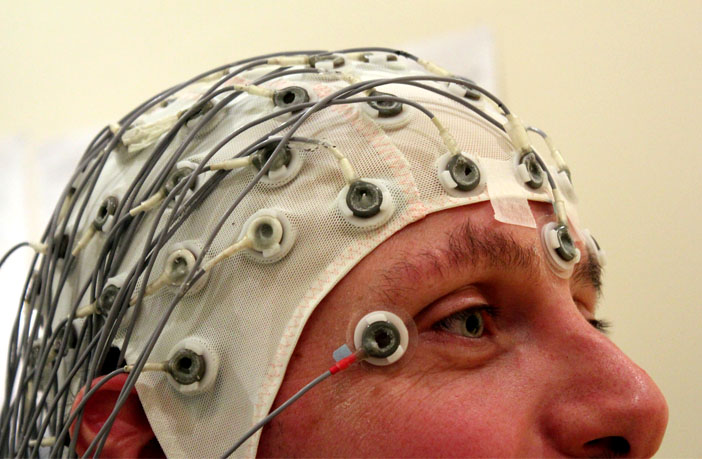
The research team analyzed 196 overnight sleep recordings from 44 healthy adults. Using high-density electroencephalography (EEG) in a laboratory setting, scientists monitored brain activity while participants slept. The core of the methodology involved strategic awakenings. Over the course of four nights, participants were awakened more than 1,000 times and immediately asked to report their conscious experience just before waking. They also rated how deeply they felt they had been sleeping and their level of sleepiness.
Key Findings: Immersion Equals Depth
The results were striking and challenged long-held assumptions. Participants did not report their deepest sleep only during periods of no conscious experience. Instead, the feeling of deepest sleep was strongly linked to episodes of vivid, immersive dreaming. Conversely, shallow sleep perceptions were associated with minimal or fragmented mental experiences, such as a vague sense of presence without clear narrative content. Professor Giulio Bernardi, the study's senior author, explained this crucial distinction: "Not all mental activity during sleep feels the same: the quality of the experience, especially how immersive it is, appears to be crucial." This indicates that a rich dream narrative can reshape how active brain states are interpreted, making sleep feel deeper and more continuous.
Dreams as Guardians of Sleep
Another fascinating discovery emerged from tracking sleep across the night. As the night progressed and the body's physiological sleep pressure naturally decreased, participants reported that their sleep subjectively felt deeper. This perceived deepening closely correlated with an increase in how immersive their dreams became. The researchers propose that immersive dreams may act as "guardians of sleep," a hypothesis with roots in classical psychoanalysis. By providing a compelling internal narrative, dreams may help maintain a sense of separation from the external environment and buffer against fluctuations in brain activity, thereby preserving the subjective feeling of being deeply asleep even as the need for sleep declines.
Implications for Sleep Health and Disorders
This research has significant implications for understanding and treating sleep complaints. It suggests that the subjective feeling of poor sleep, which is a core symptom of insomnia, may not always correlate with standard objective measures like sleep duration or architecture. Alterations in dream quality or the ability to generate immersive dream experiences could be a key factor. If dreams help sustain the perception of deep sleep, then therapies aimed at improving sleep quality might need to consider cognitive and experiential aspects of sleep, not just physiological ones. This multidisciplinary approach, combining neuroscience and medicine, is being pioneered in new sleep laboratories like the one established through collaboration between IMT School, Scuola Superiore Sant'Anna, and Fondazione Gabriele Monasterio.
Conclusion: Embracing the Dream State
The emerging science paints a new picture of restorative sleep. Rather than being a passive state of brain shutdown, high-quality sleep appears to be an active, immersive experience. Vivid dreams are not interruptions to be minimized but may be integral components that help us feel genuinely rested. This paradigm shift encourages us to value the richness of our dream lives and opens promising new frontiers for research into the intricate brain-body dynamics that define a good night's sleep. Understanding the role of dreams moves us closer to holistic strategies for enhancing sleep health and mental well-being.