 Read on cbsnews.com
Super Typhoon Sinlaku Batters Remote U.S. Pacific Islands
Super Typhoon Sinlaku, the strongest tropical cyclone of the year, made landfall on the remote U.S. territories of Tinian and Saipan in the Northern Mariana Islands on Tuesday, April 14, 2026. With sustained winds of up to 150 mph, the Category 4 storm unleashed devastating winds, torrential rain, and significant storm surge, causing widespread damage, power outages, and flooding. Over 1,000 residents sought emergency shelter as the typhoon tore roofs from buildings and rendered roads impassable. The storm also impacted Guam with tropical-storm-force winds, prompting school closures and military shelter-in-place orders. This event marks another severe weather challenge for islands still recovering from previous typhoons like Mawar and Yutu.
Super Typhoon Sinlaku, the most powerful tropical cyclone recorded globally in 2026, relentlessly hammered a chain of remote U.S. island territories in the Western Pacific this week. The storm made landfall on Tuesday, April 14, on the islands of Tinian and Saipan in the Commonwealth of the Northern Mariana Islands (CNMI) as a formidable Category 4 equivalent typhoon, bringing catastrophic winds, life-threatening storm surge, and flooding rains to communities with a history of vulnerability to such extreme weather.
Impact and Immediate Aftermath
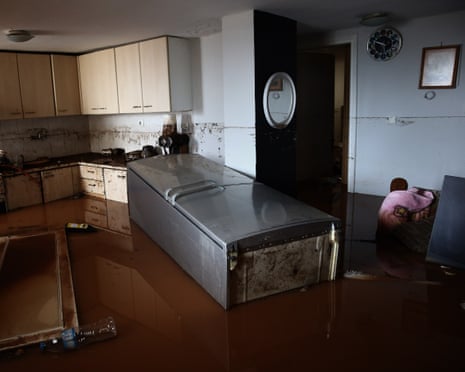
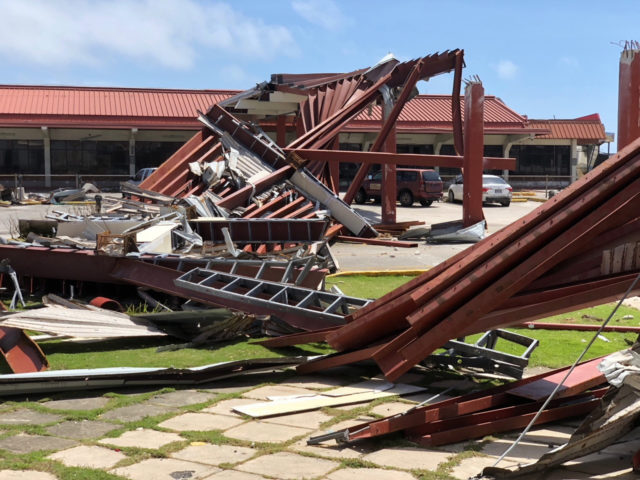
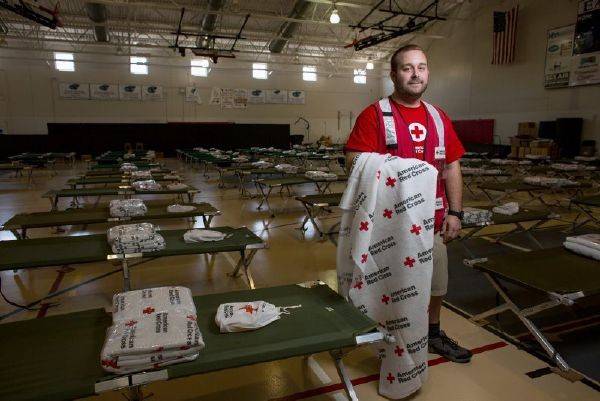
As Sinlaku came ashore with sustained winds of 150 mph, residents reported widespread destruction. Tin roofs were torn from structures, trees were uprooted, and power lines were downed across the islands. Flooding inundated homes and businesses, with Saipan Mayor Ramon "RB" Camacho stating parts of the island saw extensive flooding and that responding to emergencies was extremely difficult due to flying debris and persistent heavy rain. The American Red Cross, in coordination with local agencies, was sheltering more than 1,000 people across multiple islands in the immediate aftermath. Fortunately, no fatalities were reported in the initial assessments.
Storm Progression and Forecast
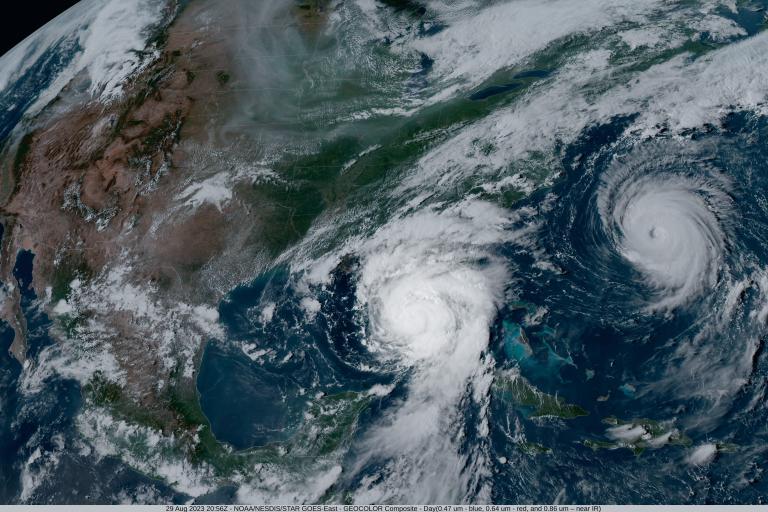
Sinlaku's path and intensity were closely monitored by the National Weather Service. Before landfall, the storm had intensified over the open ocean, with maximum wind speeds peaking at 180 mph on Sunday, earning the "super typhoon" designation used in the Southwest Pacific for storms exceeding 150 mph. An eyewall replacement cycle, a phenomenon common in intense storms, caused Sinlaku to slow its forward motion and weaken slightly to a Category 4 before impact. This slow pace raised significant concerns about prolonged exposure to damaging winds and rainfall. After passing over Tinian and Saipan, the storm was forecast to track north, passing west of the more sparsely populated volcanic islands of Alamagan, Pagan, and Agrihan while continuing to weaken.
Effects on Guam and Military Response
While the typhoon's core passed north, the U.S. territory of Guam felt significant effects. The island, a critical hub for U.S. forces in the Pacific with three major military bases, experienced tropical-storm-force winds with gusts peaking at 88 mph. The Guam Joint Information Center warned residents that damaging winds would persist, posing ongoing risks to public safety and infrastructure. In response, U.S. military officials ordered personnel to shelter in place. The Guam Department of Education closed all schools, with no set date for reopening until the governor declared conditions safe. Widespread power outages were also reported across the island due to the storm.
Historical Context and Community Resilience
The Northern Mariana Islands and Guam are no strangers to powerful typhoons, a reality that compounds recovery efforts. Saipan is still recovering from the devastation of Super Typhoon Yutu in 2018, which destroyed 85% of the Northern Marianas College campus. In May 2023, Super Typhoon Mawar struck Guam as a Category 4 storm. This repeated battering takes a severe toll on local economies and communities. Galvin Deleon Guerrero, president of Northern Marianas College, expressed the collective fatigue, noting the struggle to rebuild only to face another major storm. He emphasized the human impact, stating concern for people suffering from post-traumatic stress related to past storms, while also highlighting the resilience of the Indigenous Chamorro people.
Emergency Declarations and the Role of Climate
In anticipation of the storm's severity, President Trump approved emergency disaster declarations for Guam and the Commonwealth of the Northern Mariana Islands on Sunday. This action unlocked federal resources to support response and recovery efforts. The increasing intensity and frequency of such powerful storms in the Pacific have sparked discussions about the role of climate change. As Guerrero pointedly stated in the aftermath of Sinlaku, "Climate change is real." Scientists note that warmer ocean temperatures can contribute to more rapid intensification and greater rainfall potential in tropical cyclones, posing a growing threat to island nations and territories.
As Typhoon Sinlaku moves away from the Marianas, the focus for the remote U.S. territories shifts fully to recovery. The process will involve clearing debris, restoring power and water services, assessing structural damage, and providing continued support to displaced residents. The event underscores the disproportionate vulnerability of island communities to extreme weather events and the ongoing challenge of building long-term resilience in the face of a changing climate. The resilience of the people of Guam and the Northern Marianas will once again be tested as they begin the arduous task of rebuilding their homes and communities.