Read on France 24
The Sarfaq Ittuk: Greenland's Last Ferry Faces an Uncertain Future
The Sarfaq Ittuk is the final active ferry connecting communities along Greenland's remote west coast, a vital maritime lifeline in the Arctic. While melting sea ice from climate change paradoxically opens new potential routes, this essential service is threatened with cessation by 2027 due to critical funding shortages. This article explores the ferry's crucial role, the complex interplay of environmental change and infrastructure, and the looming crisis that could sever a key transportation link for Greenland's coastal residents.
In the vast, icy waters of the Arctic, a single vessel serves as a critical thread connecting the scattered communities of Greenland's west coast. The Sarfaq Ittuk, Greenland's last active ferry, is more than just a ship; it is a lifeline, a mobile community center, and a symbol of resilience. However, this essential service now sails toward an uncertain horizon. Despite new navigational opportunities emerging from the profound environmental changes reshaping the Arctic, the ferry's future is in jeopardy, with operations potentially ceasing by 2027 due to a severe lack of funding. This impending loss highlights the complex challenges of sustaining infrastructure in one of the world's most remote and rapidly changing regions.
The Vital Role of the Sarfaq Ittuk
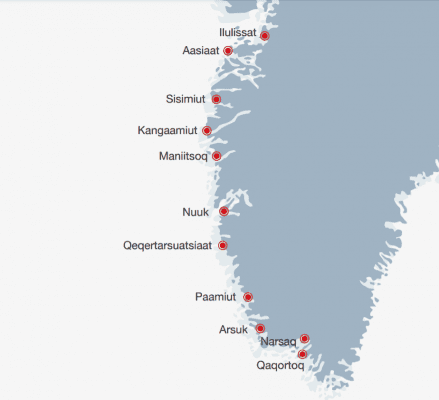
Operating along Greenland's rugged western coastline, the Sarfaq Ittuk is an indispensable part of the local transportation network. For many remote towns and settlements, which are inaccessible by road, the ferry is the primary means of moving people, goods, and vehicles. It connects residents to essential services, facilitates commerce, and enables family and social connections across vast distances. The vessel's schedule is a cornerstone of community life, dictating the rhythm of supply and travel in a region where alternatives are limited and prohibitively expensive, such as air travel.
Climate Change: A Paradox of Opportunity and Threat
The Arctic is warming at a rate nearly four times faster than the global average, leading to significant and rapid sea ice melt. This environmental transformation presents a paradoxical situation for maritime transport like the Sarfaq Ittuk. On one hand, reduced ice coverage can potentially open new, shorter, or more navigable routes along the coast, extending the operational season and improving efficiency. These routing opportunities could, in theory, enhance the ferry's service and connectivity.

On the other hand, climate change also introduces severe risks and operational challenges. Increased iceberg calving, unpredictable weather patterns, and coastal erosion threaten safe navigation. Furthermore, the very infrastructure that communities and the ferry rely on—ports, docks, and coastal roads—is increasingly vulnerable to these changes. Thus, while the physical environment may become more traversable by water, the overall system's stability is being undermined.
The Funding Crisis and the 2027 Deadline
The most immediate threat to the Sarfaq Ittuk is not environmental but financial. As reported by France 24, the ferry faces a critical funding shortfall that could force it to stop navigating as soon as 2027. Operating in the Arctic is exceptionally costly, requiring a robust ice-class vessel, highly trained crew, and significant fuel expenditures. These expenses are often subsidized, but securing consistent, long-term funding is a persistent challenge.
The potential cessation of service would have devastating consequences for west coast communities. It would cripple local economies, isolate residents, and disrupt the supply chain for everything from food and medicine to construction materials. The loss would represent not just the end of a ferry route but the severing of a vital societal artery.
Looking Beyond 2027: Pathways Forward
Addressing this crisis requires a multi-faceted approach. Potential solutions include securing increased and guaranteed funding from the Greenlandic and Danish governments, exploring public-private partnerships, or integrating the service into a broader, climate-resilient Arctic transport strategy. Investment must also consider the vessel's adaptation to the changing environment, ensuring it can safely leverage new routing opportunities while mitigating associated risks.
The story of the Sarfaq Ittuk is a microcosm of the broader challenges facing Arctic communities. It sits at the intersection of climate change adaptation, remote infrastructure sustainability, and community survival. Its potential demise is a stark warning. Preserving this maritime lifeline is about more than saving a ferry; it is about affirming a commitment to the connectivity and viability of Greenland's coastal communities in an era of unprecedented change. The decisions made in the coming years will determine whether this last ferry continues to sail, or becomes a relic of a bygone Arctic.