Read on bbc.com
SpaceX's Trillion-Dollar IPO: How Elon Musk's Public Listing Could Make History
SpaceX's confidential filing for an initial public offering (IPO) sets the stage for what could become one of the most valuable public stock debuts in history. With an expected valuation surpassing $1 trillion, Elon Musk's space exploration company could transform the billionaire into the world's first trillionaire. This article examines the strategic timing of SpaceX's public listing, the company's ambitious expansion plans, and how Musk's various ventures are becoming increasingly interconnected to create a technological empire unlike any other.
Elon Musk's SpaceX has taken a monumental step toward becoming a publicly traded company, filing confidentially for what analysts predict will be a historic initial public offering (IPO). The space exploration and satellite technology company, which has remained privately held since its founding in 2002, could achieve a valuation exceeding $1 trillion once its shares become available on the stock market. This development not only positions SpaceX as one of the world's most valuable companies but also places Musk on track to become the first trillionaire in history, marking a significant milestone in both corporate finance and personal wealth accumulation.

The IPO Process and Timeline
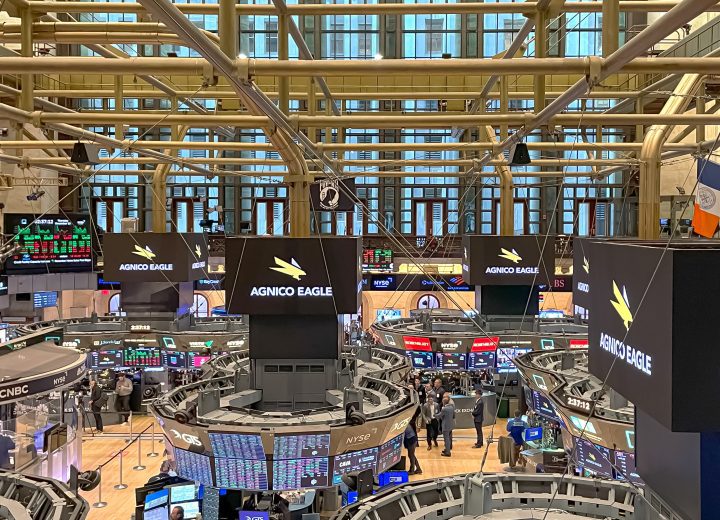
SpaceX made its confidential filing with the U.S. Securities and Exchange Commission (SEC) on Wednesday, according to reports from Bloomberg, Reuters, and the New York Times. This type of filing allows companies to avoid immediately revealing sensitive financial information to the public while they receive feedback from regulators. The confidential approach provides SpaceX with greater control over the timing and messaging of its public debut, which is reportedly scheduled for June of this year.
The next critical phase in the IPO process will involve SpaceX executives conducting a "roadshow"—a series of meetings with major institutional investors designed to generate interest and secure commitments to purchase shares. These presentations will highlight the company's technological achievements, financial performance, and growth prospects as it seeks to raise approximately $50 billion or more through the public offering. The substantial capital infusion would provide SpaceX with resources needed to pursue its ambitious expansion plans in space exploration, satellite technology, and artificial intelligence.
Valuation and Market Impact
SpaceX's expected valuation of over $1 trillion would place it among the most valuable publicly traded companies in the world, alongside technology giants like Apple, Microsoft, and Saudi Aramco. This valuation reflects not only the company's current operations but also its potential to dominate multiple emerging industries simultaneously. Following its recent all-stock merger with xAI—Musk's artificial intelligence venture—SpaceX is believed to have achieved an internal valuation of $1.25 trillion, making it the most valuable private company globally before even going public.

The public listing represents a strategic move to access the substantial capital required for SpaceX's expansion plans. According to Emily Zheng, a senior analyst at Pitchbook, the company faces "the sheer cost of compute, infrastructure, and energy" needed to grow its operations. By going public, SpaceX can tap into broader investment markets to fund its ambitious projects, including the expansion of its Starlink satellite internet constellation, development of reusable rocket technology, and exploration of more speculative ventures like space-based data centers and Martian colonization efforts.
Musk's Interconnected Business Empire
The SpaceX IPO highlights the increasingly interconnected nature of Musk's various business ventures. The recent merger with xAI represents just one example of how Musk is consolidating resources and technologies across his companies. This strategy allows for cost-sharing and technological synergies that could provide competitive advantages in multiple industries simultaneously. As Zheng noted, bringing xAI under SpaceX demonstrates to potential investors that Musk can efficiently consolidate costs and share resources between his companies.
This interconnected approach extends beyond SpaceX and xAI. Tesla, Musk's electric vehicle company, has already invested more than $2 billion in xAI and plans to shift significant manufacturing capacity toward building robots that utilize xAI technology. The Grok AI assistant, developed by xAI, is already integrated into some Tesla vehicles. Furthermore, Musk recently announced the Terafab initiative—a massive chipmaking endeavor that will involve collaboration between Tesla, xAI, and SpaceX. This level of integration creates a technological ecosystem where advancements in one company can benefit all others.
Strategic Implications and Future Prospects
SpaceX's transition to a publicly traded company represents more than just a financial milestone—it signals a new phase in the commercialization of space technology and artificial intelligence. The company's core operations continue to focus on rocket development and the Starlink satellite internet service, which provides global connectivity through a growing constellation of satellites. However, Musk has articulated much grander ambitions, including establishing data centers in space and building a self-sufficient city on Mars.
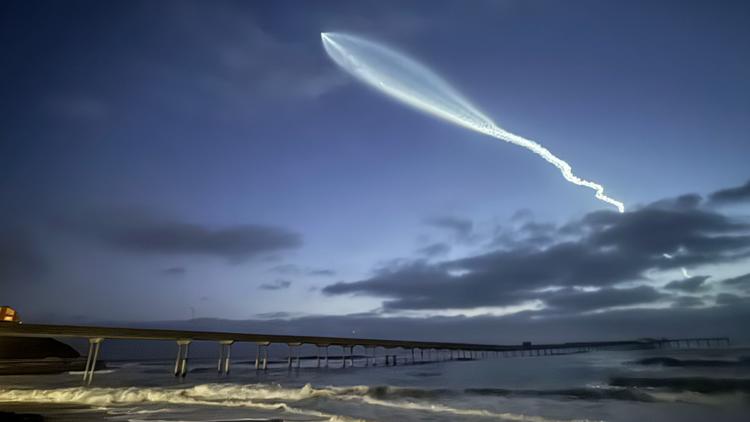
The public listing will subject SpaceX to greater scrutiny from investors, regulators, and the public, potentially influencing its strategic direction and operational transparency. While some experts question the feasibility of Musk's most ambitious goals, the company's track record of achieving what "people did not think could be done before"—as Musk himself noted in a March presentation—suggests that conventional limitations may not apply. The IPO will provide the financial resources needed to test these boundaries while creating new opportunities for public investment in space exploration and advanced technology.
Conclusion
SpaceX's planned public offering represents a watershed moment in both corporate finance and technological development. With a potential valuation exceeding $1 trillion, the company's IPO could establish new benchmarks for public market debuts while transforming Elon Musk into the world's first trillionaire. More importantly, the listing will provide SpaceX with the capital needed to pursue its ambitious expansion plans in space technology, satellite internet, and artificial intelligence. As Musk's various companies become increasingly interconnected, the success of SpaceX's public offering could have ripple effects across multiple industries, potentially accelerating the development of technologies that will shape humanity's future both on Earth and beyond.