Read on PBS News
Appeals Court Upholds Trump Administration Policy on Detaining Immigrants Without Bond
A federal appeals court has ruled in favor of the Trump administration's policy of detaining certain immigrants without bond hearings. The 8th U.S. Circuit Court of Appeals overturned a lower court decision that had required a bond hearing for a Mexican national arrested for lacking legal documents. This ruling aligns with a similar decision from the 5th Circuit last month, creating a significant legal precedent that strengthens the administration's immigration enforcement approach and limits judicial review for detained noncitizens.
A significant legal battle over immigrant detention rights reached a pivotal moment as a federal appeals court sided with the Trump administration's controversial policy. The ruling represents a substantial victory for immigration enforcement officials while raising serious concerns among civil liberties advocates about due process protections for noncitizens.
The 8th Circuit Court Ruling
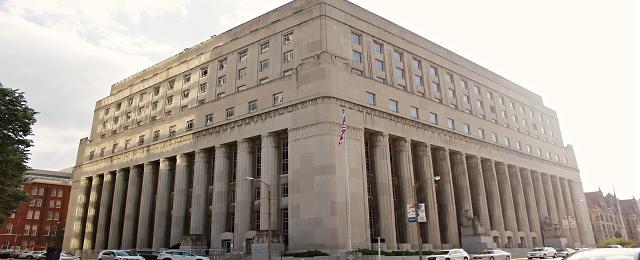
On March 26, 2026, a panel of the 8th U.S. Circuit Court of Appeals in St. Louis issued a 2-1 opinion that overturned a lower court ruling requiring bond hearings for detained immigrants. The case centered on Joaquin Herrera Avila, a Mexican national apprehended in Minneapolis in August 2025 for lacking legal documentation. The Department of Homeland Security had detained Avila without bond and initiated deportation proceedings, prompting a legal challenge seeking immediate release for a bond hearing.
Circuit Court Judge Bobby E. Shepherd wrote for the majority, stating that the law was "clear that an 'applicant for admission' is also an alien who is 'seeking admission.'" This interpretation meant Avila couldn't petition for a bond hearing on the grounds that he wasn't "seeking admission"—a key distinction that formed the basis of the lower court's decision. The ruling effectively allows immigration authorities to detain certain noncitizens indefinitely without judicial review of their detention circumstances.
Legal Context and Precedents
This decision marks the second appeals court to rule in favor of the administration on this specific issue. The 5th U.S. Circuit Court of Appeals in New Orleans reached a similar conclusion last month, finding that DHS's denial of bond hearings to immigrants arrested across the country was consistent with both the Constitution and federal immigration law. These appellate decisions counter recent lower court rulings across the country that had declared the practice illegal.
The legal question at the heart of these cases involves habeas corpus—the constitutional right allowing individuals to challenge their detention by the government. Historically, most noncitizens with no criminal record who were arrested away from the border had opportunities to request bond hearings while their cases proceeded through immigration court. Bond was typically granted to those without criminal convictions who weren't considered flight risks, with mandatory detention generally limited to recent border crossers.

Dissenting Opinion and Broader Implications
Circuit Court Judge Ralph R. Erickson filed a dissenting opinion that highlighted the significant shift in immigration detention policy. He argued that Avila would have been entitled to a bond hearing during deportation proceedings if he had been arrested at any point during the previous 29 years. According to Erickson, the majority's ruling subjects Avila and millions of others to mandatory detention under a novel interpretation of "alien seeking admission" that hasn't been utilized by courts or five previous presidential administrations.
The ruling has immediate practical consequences for immigration enforcement. According to PBS NewsHour reporting, immigrants have filed more than 30,000 habeas corpus petitions in federal court alleging illegal detention since President Trump took office, with many succeeding until these recent appellate decisions. The American Civil Liberties Union, which represented Avila, has not publicly commented on the ruling, while Attorney General Pam Bondi hailed it as a "MASSIVE COURT VICTORY against activist judges and for President Trump's law and order agenda."
Conclusion
The 8th Circuit's decision represents a substantial legal development in immigration enforcement policy, strengthening the administration's ability to detain noncitizens without judicial oversight. While celebrated by immigration hardliners as necessary for border security, the ruling raises fundamental questions about due process rights for detained individuals. As similar cases continue to work through the federal court system, this ruling establishes important precedent that may influence future judicial interpretations of immigration detention authority and constitutional protections for noncitizens within the United States.