Ukraine's Drone Interceptor Innovation: A Cost-Effective Defense Against Iranian Shahed Drones
Ukraine has developed significant expertise in countering Iranian-made Shahed drones through mass-produced, low-cost interceptor drones. As the US-Israel conflict with Iran escalates, Western and Gulf nations are now seeking Ukrainian technology to defend against Iranian drone swarms. These Ukrainian interceptors, costing between $1,000-$2,000 each, offer a dramatically cheaper alternative to million-dollar Patriot missile systems, with Ukraine producing thousands monthly. This article explores Ukraine's drone defense innovations, the specific interceptor models being deployed, and how this technology is reshaping modern aerial defense strategies.
In the evolving landscape of modern warfare, Ukraine has emerged as an unexpected leader in cost-effective drone defense technology. Through years of combat experience against Iranian-made Shahed drones supplied to Russia, Ukrainian manufacturers have developed innovative interceptor drones that are now attracting international attention. As Middle Eastern countries face increasing Iranian drone attacks during the US-Israel conflict with Tehran, Ukraine's hard-won expertise is becoming a valuable export, offering a practical solution to a widespread security challenge.
Ukraine's Battle-Tested Drone Defense Experience
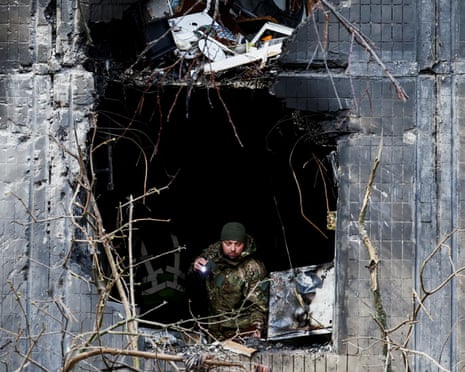
Ukraine has accumulated extensive practical knowledge in countering Iranian-designed Shahed drones throughout Russia's ongoing invasion. According to Al Jazeera reporting, Russia has launched thousands of these drones at Ukrainian targets, resulting in significant casualties and infrastructure damage. Ukrainian President Volodymyr Zelenskyy noted that "Ukrainians have been fighting against 'shahed' drones for years now, and everyone recognizes that no other country in the world has this kind of experience." This battlefield-tested expertise has positioned Ukraine uniquely to develop effective countermeasures against drone swarm attacks.
The Ukrainian Interceptor Solution
Faced with limited access to advanced Western air defense systems like Patriot missiles, Ukrainian manufacturers turned to innovation. Beginning in 2025, they developed what have become known as "Shahed Killers" - low-cost interceptor drones specifically designed to shoot down Russian attack drones before they reach their targets. These interceptors represent a paradigm shift in aerial defense economics, with each unit costing approximately $1,000 to $2,000. This stands in stark contrast to the several million dollars required for manufacturing, transporting, and firing a single high-tech US interceptor missile.

Key Ukrainian Interceptor Models
Ukrainian manufacturers have developed several specialized interceptor drone models, each with distinct capabilities. The Sting quadcopter, produced by Wild Hornets start-up, reaches speeds of 315-343 kilometers per hour and operates at altitudes up to 3,000 meters. General Cherry's Bullet interceptor utilizes a jet engine and four rotors, can be 3D-printed, and employs AI-assisted guidance to locate targets. Skyfall's P1-Sun and ODIN's Win_Hit models offer additional variations in speed, altitude, and mission duration capabilities. Ukrainian manufacturers are currently producing thousands of these interceptors monthly, creating a scalable defense solution.
International Deployment and Strategic Implications
Ukraine's drone defense technology has gained international recognition, with President Zelenskyy confirming that 11 countries, including the United States and several Gulf nations, have requested Kyiv's assistance. In March 2026, Ukraine dispatched drone interceptors and military personnel to Jordan following a US request, as Washington seeks cheaper technology for intercepting Iranian missiles targeting Israeli and US defense assets across the region. This deployment represents a significant shift in defense cooperation, with Ukraine transitioning from recipient to provider of military technology.
Comparison with Traditional Defense Systems
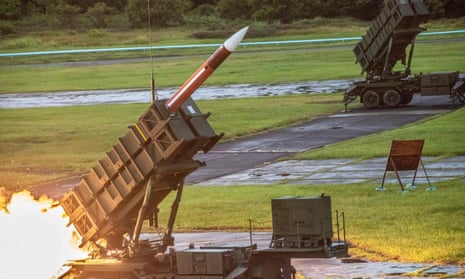
The Ukrainian interceptor approach offers distinct advantages over traditional air defense systems currently deployed against Iranian threats. The United States has been supporting Gulf countries with expensive systems including Patriot missile batteries (costing approximately $4 million per missile), THAAD missile defense systems (with batteries costing $1-1.8 billion), and AWACS aircraft. As Zelenskyy noted, the US and its Middle Eastern partners have already utilized 800 Patriot missiles in their regional defense efforts, compared to 600 delivered to Ukraine over four years. The Ukrainian drone interceptors provide a sustainable, scalable alternative that doesn't deplete limited stockpiles of expensive missile systems.
Future Developments and Limitations
While Ukrainian drone interceptors represent a significant advancement in cost-effective defense, they do have limitations. Analysts note that these drones cannot intercept ballistic missiles and currently require trained pilots positioned near engagement areas. However, manufacturers are developing automated models to address this limitation. The technology continues to evolve rapidly, with Ukrainian companies refining designs for greater speed, altitude capability, and autonomous operation. As drone warfare becomes increasingly prevalent in global conflicts, Ukraine's innovations in counter-drone technology position the country as a key player in shaping future defense strategies.
Ukraine's development of mass-produced, affordable drone interceptors demonstrates how necessity drives innovation in modern warfare. By creating effective countermeasures to Iranian Shahed drones at a fraction of traditional defense costs, Ukraine has not only enhanced its own security but has developed exportable technology with global applications. As nations worldwide face increasing threats from drone swarms, Ukraine's battle-tested solutions offer practical, scalable defense options that could reshape how countries approach aerial defense in an era of asymmetric warfare.