Read on Nature
How Plant Immune Receptors Assemble into Resistosome Clusters to Trigger Defense
A groundbreaking study published in Nature reveals a novel mechanism by which plant immune receptors activate cell death defenses. Unlike canonical coiled-coil NLRs (CNLs) that directly form membrane-penetrating channels, the CNL SUMM2 uses N-myristoylation to anchor to the plasma membrane. Upon activation, SUMM2 promotes the assembly of higher-order clusters involving helper NLRs ADR1-L1 and the lipase-like complex EDS1-PAD4. These resistosome clusters organize into ring-like structures, initiating a signaling cascade crucial for plant immunity against pathogens. This discovery provides fundamental insights into the diversity of plant immune receptor activation strategies.
Plants possess a sophisticated immune system to detect and respond to pathogen attacks. A key component of this system involves intracellular nucleotide-binding leucine-rich repeat (NLR) receptors that recognize pathogen effectors and trigger immune responses, often culminating in programmed cell death to limit infection. Recent research published in Nature has uncovered a novel activation mechanism for a specific class of these receptors, revealing how they assemble into large, organized clusters to initiate defense signaling.

Two Paths to Activation: MADA vs. N-Myristoylation
Plant NLRs are categorized based on their N-terminal domains. Coiled-coil NLRs (CNLs) often form structures called resistosomes that function as calcium-permeable channels in the plasma membrane. A well-known mechanism involves a conserved MADA motif. As detailed in the Nature study, CNLs like ZAR1 use this motif to physically penetrate the plasma membrane upon activation, forming a pore that allows calcium influx and triggers cell death.
However, the research focused on the CNL SUMM2, which lacks the MADA motif. Instead, the study found that SUMM2 and related CNLs like RPS5 use a different anchoring strategy: N-myristoylation. This is a lipid modification where a myristic acid molecule is covalently attached to the protein, tethering it to the inner leaflet of the plasma membrane. The study confirmed that mutating the glycine residue critical for this modification (SUMM2G2A) abolished the protein's ability to localize to the membrane and induce cell death, highlighting the essential role of this tethering mechanism.

Recruiting the Signaling Team: The EDS1-PAD4-ADR1 Module
The activation of SUMM2 does not directly cause cell death. Instead, it acts as a scaffold to recruit and organize a downstream signaling complex. The study demonstrated that active SUMM2 promotes the association of the lipase-like proteins ENHANCED DISEASE SUSCEPTIBILITY 1 (EDS1) and PHYTOALEXIN DEFICIENT 4 (PAD4) with the helper NLR ACTIVATED DISEASE RESISTANCE 1-LIKE 1 (ADR1-L1).
Genetic analyses showed that mutations in EDS1, PAD4, or the ADR1 family genes suppressed the autoimmunity and cell death triggered by SUMM2 activation. This places the EDS1-PAD4-ADR1 module genetically downstream of SUMM2. Biochemical assays, including co-immunoprecipitation and FRET-FLIM, revealed that while SUMM2 interacts with EDS1 and PAD4, it does not directly bind ADR1-L1. However, upon SUMM2 activation, the EDS1-PAD4 heterodimer is released to interact with ADR1-L1, forming a crucial signaling complex.
Formation of Higher-Order Resistosome Clusters
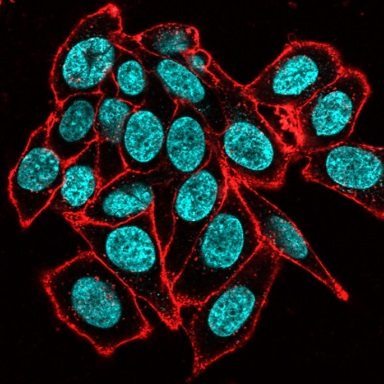
The most striking finding of the research was the visualization of how these components assemble at the plasma membrane. Using advanced microscopy techniques like confocal and total internal reflection fluorescence (TIRF) microscopy, the researchers observed the dynamics of ADR1-L1.
- Inactive State: ADR1-L1 is uniformly distributed and mobile along the plasma membrane.
- Upon SUMM2 Activation: ADR1-L1 molecules oligomerize and coalesce into discrete, immobile puncta.
High-resolution TIRF imaging revealed that each punctum observed under standard microscopy is actually a cluster of two to six individual ADR1-L1 resistosomes. These clusters frequently organize into a distinct ring-like pattern at the membrane. This organized assembly was dependent on both SUMM2 activation and the presence of EDS1 and PAD4.
A Model for Immune Signal Amplification
The study proposes a sequential model for SUMM2-mediated immunity. First, the sensor CNL SUMM2 is activated and anchored to the membrane via N-myristoylation. It then recruits the EDS1-PAD4 complex. Activation triggers the release of EDS1-PAD4, allowing it to interact with and promote the oligomerization of the helper NLR ADR1-L1. Multiple ADR1-L1 resistosomes then cluster together with EDS1-PAD4, forming the observed higher-order ring-like assemblies.
This clustering represents a significant signal amplification step. While individual resistosomes like those formed by ZAR1 may create small pores for ion flux, the large SUMM2-induced clusters could cause more substantial membrane disruption, potentially facilitating the release of immune signals and driving the cell death program more effectively. The research also noted that similar clustering behavior occurs in other helper NLRs, like NRCs in solanaceous plants, suggesting this may be a conserved mechanism among helper NLRs.
Implications and Future Directions
This work fundamentally expands our understanding of plant NLR diversity. It shows that not all CNLs function as standalone calcium channels. Some, like SUMM2, act as upstream scaffolds that orchestrate the assembly of massive helper NLR clusters for defense execution. The discovery of N-myristoylation as a key targeting mechanism for non-MADA CNLs opens new avenues for studying the regulation of these immune receptors.
Future research will need to determine the precise biochemical function of the EDS1-PAD4-ADR1-L1 resistosome cluster. Does it form a novel type of pore? How does it specifically initiate cell death pathways? Furthermore, understanding how pathogen effectors are perceived to trigger this cascade will be crucial for engineering durable disease resistance in crops. This research, by elucidating a sophisticated protein assembly mechanism, provides a new framework for understanding the complexity of plant innate immunity.