Read on nature.com
The Future of Detection: Can Flies Sniff Out Contraband Chemicals?
The concept of using insects for chemical detection, once relegated to science fiction, is gaining serious scientific traction. Historical research from Nature's archive reveals early investigations into animal behavior for practical applications, suggesting a foundation for modern bio-detection systems. This article explores the biological plausibility of using flies, with their highly sensitive olfactory systems, to identify illicit substances. We examine the scientific principles behind insect olfaction and consider the potential advantages and challenges of developing such a novel, biological detection tool for security and law enforcement.
The quest for more efficient, sensitive, and cost-effective methods to detect illicit substances is a constant in security and law enforcement. While dogs have long been the gold standard for biological detection, scientists are looking to smaller, more prolific creatures for inspiration. Could the common housefly, with its remarkable sensory capabilities, be trained to sniff out contraband chemicals? This idea, which may seem like the plot of a futuristic thriller, is grounded in serious scientific inquiry into animal behavior and sensory biology.

Historical scientific archives, such as those maintained by Nature, document a long-standing fascination with harnessing animal behavior for human benefit. This foundational research into how creatures interact with their environment provides a crucial backdrop for modern bio-engineering concepts. The fly's olfactory system, in particular, presents a fascinating model for detection technology.
The Science of Insect Olfaction
Flies possess an exceptionally sophisticated sense of smell. Their antennae are covered with specialized sensory neurons equipped with odorant receptors that can detect minute concentrations of volatile chemicals in the air. This system is evolutionarily tuned for survival—finding food, avoiding predators, and locating mates. The precision and speed of this biological sensor far exceed many current mechanical or electronic 'noses' in terms of sensitivity to specific compounds.
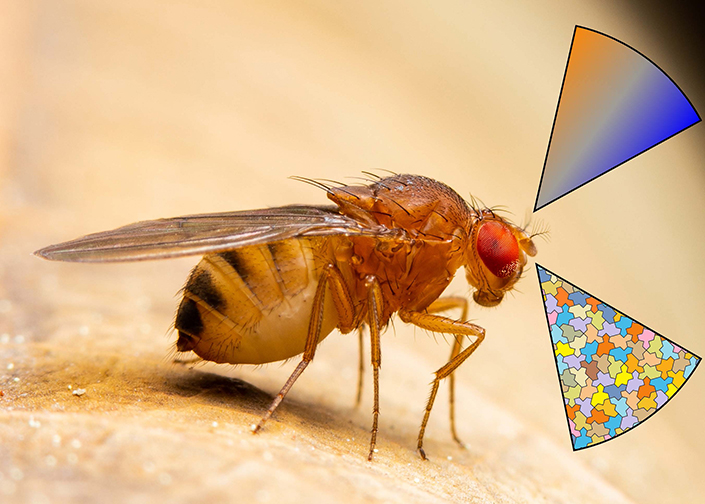
The principle behind using flies for detection would involve conditioning or training them to associate a specific target odor—like that of a contraband chemical—with a positive stimulus, such as a food reward. Through classical conditioning, flies could theoretically be trained to exhibit a predictable behavioral change (e.g., moving toward a specific port or ceasing movement) when they detect the target scent amidst background noise.
Potential Advantages and Formidable Challenges
The potential advantages of a fly-based detection system are compelling. Flies are cheap to breed and maintain in large numbers, offering scalability. Their small size and rapid reproduction cycle could allow for the deployment of vast, disposable sensor arrays. Furthermore, their diverse and sensitive olfactory receptors could be tuned to detect a wide spectrum of chemicals that might evade conventional sensors.
However, the challenges are significant. Controlling and interpreting the behavior of insects in a reliable, consistent manner for security applications is a monumental task. Environmental factors like temperature, humidity, and competing odors could easily disrupt their performance. There are also substantial ethical and practical hurdles regarding the welfare of the insects and public perception of using live animals in such a capacity. The leap from observed natural behavior to a calibrated, dependable detection tool is vast.
Conclusion: A Niche in a Broader Toolkit
While the vision of flies actively sniffing out contraband in airports or shipping ports remains in the realm of speculative research, the underlying science is valid. The investigation into insect olfaction continues to inspire advancements in synthetic biology and sensor design. Rather than replacing dogs or electronic systems, insect-based detection might eventually find a niche in specific, controlled environments or as a component of hybrid detection systems. The historical scientific curiosity about animal behavior, as noted in archives like Nature's, reminds us that some of the most innovative solutions can come from observing the natural world's innate capabilities. The fly's antenna may not hold the master key to security, but it undoubtedly holds a blueprint for a more sensitive way to sense our chemical environment.