Read on nature.com
The Genetic Enigma: How an All-Female Fish Species Defies Evolutionary Expectations
In the world of biology, a fundamental rule holds that sexual reproduction is essential for long-term survival, allowing species to adapt through genetic mixing. Yet, a remarkable clonal fish species exists that challenges this dogma. This all-female vertebrate reproduces asexually, creating perfect genetic copies of itself—a strategy that should lead to extinction. Recent genetic research has unraveled the mechanisms behind this evolutionary paradox, revealing how gene conversion and other processes allow this species to purge harmful mutations and maintain genetic health, offering profound insights into genetics, evolution, and the resilience of life.
In the grand narrative of evolution, sexual reproduction is considered non-negotiable. It shuffles genes, creates diversity, and allows populations to adapt to changing environments and purge harmful mutations. Asexual reproduction, or cloning, is typically a dead-end street for complex vertebrates, leading to the accumulation of deleterious genetic errors—a phenomenon known as Muller's ratchet. Yet, nature is full of exceptions that test our rules. One such exception is a fascinating all-female fish species that reproduces clonally and, against all odds, not only survives but thrives. This fish, as highlighted in recent research covered by Nature, presents a genetic paradox that scientists are only beginning to understand.
The Evolutionary Paradox of Clonal Vertebrates
For most animals, especially vertebrates, asexual reproduction is a rarity. The primary issue is genetic decay. Without the mixing of genes from two parents, harmful mutations accumulate over generations with no easy way to remove them. This inevitably leads to reduced fitness and eventual extinction. This is why the existence of a stable, all-female, clonal fish species is so perplexing. It represents a vertebrate that has broken a fundamental biological rule. The species in question creates perfect genetic copies of the mother, yet it has persisted for a remarkably long time, defying the predicted march toward genetic oblivion.
Unraveling the Genetic Mechanism
So, how does this fish avoid the fate dictated by Muller's ratchet? The key lies in a sophisticated genetic process. Recent findings, as discussed in the Nature article on the research by Ricemeyer et al., point to a mechanism called gene conversion. This is a form of homologous recombination where one DNA sequence replaces a corresponding sequence on a sister chromatid. In simpler terms, even though the fish clones itself, its cells have a way to "copy and paste" healthy versions of genes over damaged ones during cell division.
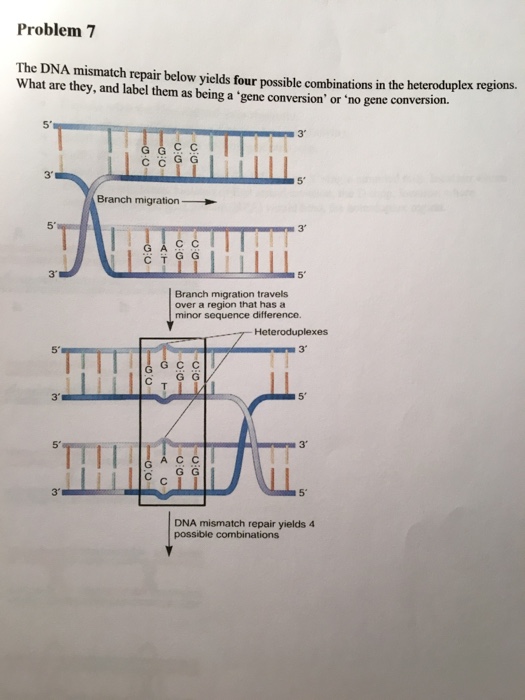
This process acts as a form of natural selection at the cellular and molecular level. It allows the fish to selectively retain beneficial genetic variants and, crucially, purge deleterious mutations that would otherwise build up in a purely clonal lineage. This finding, detailed in the related research article and News & Views piece, shows that evolution can operate in unexpected ways, even in the absence of sexual reproduction. The study demonstrates that gene conversion empowers a form of natural selection within this clonal species, maintaining its genetic health over time.
Implications and Broader Significance
The discovery has significant implications beyond understanding a single odd fish. It challenges our core assumptions about the necessity of sex for long-term evolutionary success in complex organisms. It shows that alternative genetic mechanisms can arise to solve the problem of mutation accumulation. This research opens new avenues in evolutionary genetics, suggesting that the pathways to maintaining genomic integrity are more diverse than previously thought. Furthermore, studying such exceptional systems can provide insights into genome stability, DNA repair mechanisms, and even inform conservation biology for other rare species with unusual reproductive strategies.
In conclusion, the clonal fish stands as a powerful testament to life's ingenuity. By leveraging the process of gene conversion, it has found a way to cheat the evolutionary system that condemns most asexual vertebrates to extinction. This "fish that shouldn't exist" not only exists but serves as a living laboratory, offering profound lessons about genetics, adaptation, and the endless creativity of natural selection. It reminds us that in biology, for every rule, there is often a remarkable exception waiting to be understood.