Rising Freight Costs Signal Higher Prices for Fashion and Textiles
The global textiles and clothing sector faces mounting pressure from surging logistics costs. Air freight rates have already increased by approximately 50%, and industry analysts warn that similar hikes in sea freight could materialize by March. This impending cost surge threatens to squeeze profit margins across the supply chain, from manufacturers to retailers, and will likely result in higher prices for consumers. The situation highlights the vulnerability of the fashion industry to global logistics disruptions and underscores the need for strategic supply chain planning.
The global fashion and textiles industry is bracing for a significant financial impact as logistics costs begin a sharp ascent. A clear signal has emerged with air freight rates experiencing a dramatic surge, and the expectation is that this inflationary pressure will soon spread to maritime shipping. This development threatens to increase production and transport expenses across the entire supply chain, potentially leading to higher retail prices and compressed margins for brands and retailers worldwide.
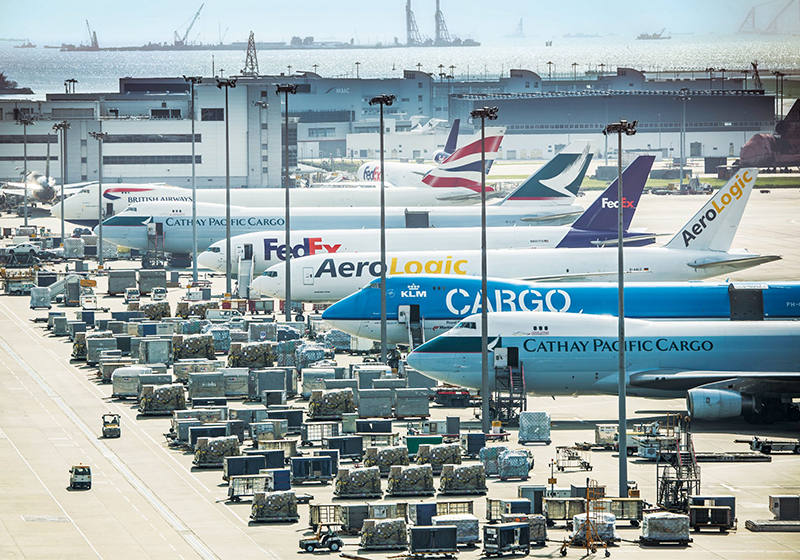
The Current Surge in Air Freight
The initial shock to the system is coming from the air. Reports indicate that air freight rates have jumped by approximately 50%. This sharp increase is a critical indicator of mounting pressures within global logistics networks. For the fashion industry, which relies heavily on air freight for high-value, time-sensitive items like seasonal collections and fast-fashion products, this represents an immediate and substantial increase in operational costs. Brands that depend on rapid inventory turnover to follow trends may find their business models under strain.
The Impending Sea Freight Increase
Perhaps more consequential for the broader industry is the anticipated ripple effect into sea freight. Analysts project that similar cost increases could hit ocean shipping as early as March. Sea freight is the backbone of global textile and apparel trade, handling the vast majority of bulk raw materials like cotton and polyester, as well as finished garments. A significant hike in these rates would affect almost every player in the market, from large-scale manufacturers to small independent brands importing goods. The timing is particularly challenging as companies finalize contracts and plan for the coming year's inventory.

Implications for the Fashion Supply Chain
The combined effect of rising air and sea freight costs will reverberate through every tier of the fashion supply chain. Manufacturers will face higher costs for importing raw materials and exporting finished goods. Brands and retailers will see their cost of goods sold (COGS) increase, squeezing already tight profit margins. Ultimately, these increased costs are likely to be passed on to the consumer in the form of higher retail prices. This comes at a time when consumer spending is being carefully watched amid broader economic uncertainties, potentially dampening demand.
Strategic Responses and Industry Outlook
In response to these challenges, companies must re-evaluate their logistics and sourcing strategies. Options may include negotiating longer-term freight contracts to lock in rates, diversifying supplier bases to utilize regional manufacturing hubs, or investing in more accurate demand forecasting to reduce the need for expensive last-minute air shipments. The situation underscores the ongoing fragility of globalized supply chains and the fashion industry's exposure to macroeconomic and logistical disruptions. Proactive planning and supply chain resilience will be key differentiators for businesses navigating this period of elevated costs.

The surge in freight costs is a stark reminder of the interconnected nature of global commerce. For the textiles and clothing sector, a industry built on moving physical goods across continents, logistics are not just an operational detail but a core component of cost and competitiveness. As air freight rates climb and sea freight prepares to follow, the entire industry must adapt. The coming months will test the agility and strategic planning of fashion businesses, with the outcomes directly influencing both their bottom lines and the prices consumers pay at the register.