The Need for Better Models to Assess the Ecological Impacts of Reservoirs
Reservoirs are a cornerstone of modern civilization, providing water, power, and flood control. However, their profound ecological impacts on river systems, from altering sediment flows to increasing greenhouse gas emissions, are often inadequately quantified. A recent analysis in Nature highlights the urgent need for more sophisticated models to accurately gauge these complex effects. This article explores the multifaceted ways reservoirs disrupt natural riverine processes and why current assessment tools fall short, underscoring the critical role of improved modeling for sustainable water management and environmental protection.
Reservoirs are a ubiquitous feature of the modern landscape, essential for hydropower, irrigation, and water supply. Yet, their construction creates a fundamental paradox: while serving human needs, they dramatically alter the natural river systems they impound. As noted in a recent Nature analysis, reservoirs now affect water flow through most of the planet's large rivers, triggering a cascade of ecological consequences that are challenging to predict and measure. The call for better models to gauge these impacts is not just an academic exercise; it is a pressing necessity for balancing development with planetary health.

The Multifaceted Ecological Footprint of Reservoirs
The ecological impact of a reservoir extends far beyond the flooded land. It fundamentally reshapes the river's physical, chemical, and biological character. The primary mechanisms of disruption include the alteration of sediment and nutrient transport, changes in water temperature, and the generation of greenhouse gases. Each of these factors interacts in complex ways, creating a web of effects that ripple through downstream ecosystems and even influence global processes.
Disruption of Sediment and Nutrient Cycles
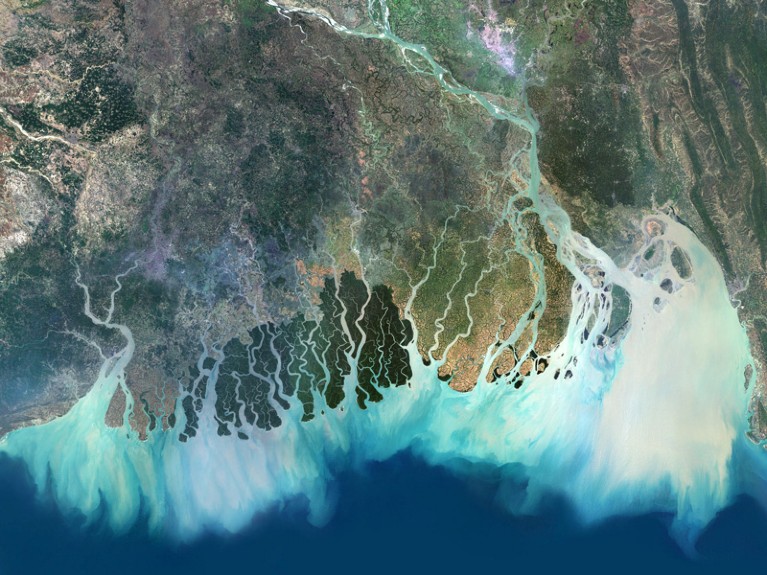
One of the most significant impacts is on sediment flow. Rivers naturally carry sediments—silt, sand, and nutrients—from their headwaters to their deltas. A dam acts as a massive trap, causing sediments to settle in the reservoir. This starves downstream areas of material essential for building riverbanks, deltas, and fertile floodplains. Concurrently, the trapping of nutrients like phosphorus and nitrogen can alter downstream water quality and productivity, affecting everything from algae to fish populations. The Nature analysis cites research indicating these alterations can influence global biogeochemical cycles.
Altered Thermal Regimes and Greenhouse Gas Emissions
Reservoirs also change the thermal personality of a river. The large, often stratified body of water in a reservoir can release colder or warmer water than the natural flow, impacting aquatic life adapted to specific temperature ranges. Perhaps more globally significant is their role as sources of greenhouse gases. The decomposition of flooded organic matter (plants, soils) in reservoirs produces methane and carbon dioxide. Research highlighted in the Nature piece notes that these emissions contribute to global climate processes, making reservoirs a non-trivial part of the anthropogenic carbon budget.
Why Current Assessment Models Are Inadequate
Despite understanding these broad impact categories, accurately predicting and quantifying them for specific projects remains a major challenge. Many existing environmental impact assessment models are simplistic, often failing to capture the non-linear interactions and cumulative effects of multiple reservoirs within a river basin. They may underestimate long-term sedimentation rates, poorly model gas emission fluxes under different climatic conditions, or inadequately predict impacts on migratory fish species and biodiversity hotspots downstream.
The call for better models, as emphasized in the Nature publication, is a call for tools that can integrate complex, interdisciplinary data—from hydrology and geomorphology to ecology and climatology. Next-generation models need to account for basin-wide connectivity, climate change scenarios, and socio-ecological feedback loops to provide planners and policymakers with a realistic picture of the true cost of reservoir development.
The Path Forward: Integrating Science and Policy
The development of more accurate ecological impact models is not an end in itself. The ultimate goal is to inform smarter, more sustainable water resource management. With robust models, decision-makers can compare project alternatives, design mitigation strategies (like sediment bypass systems or environmental flow releases), and make informed trade-offs between energy production, water security, and ecosystem integrity. In an era of increasing water stress and climate volatility, this scientific rigor is indispensable for ensuring that reservoir projects contribute to a resilient future without sacrificing the ecological foundations of river health.
In conclusion, reservoirs are powerful agents of environmental change. The recent analysis underscores that our ability to manage this change responsibly hinges on our capacity to model it accurately. Investing in the science to build better predictive tools is a critical step toward reconciling human development with the preservation of vital freshwater ecosystems. The health of our planet's rivers, and the countless communities and species that depend on them, may well depend on the sophistication of the models we choose to build and trust.