EU's von der Leyen Warns Against Return to Russian Fossil Fuels
European Commission President Ursula von der Leyen has issued a stark warning against any return to Russian fossil fuels, labeling it a "strategic blunder" that would leave Europe more dependent, vulnerable, and weaker. This statement, made in March 2026, reinforces the EU's commitment to its energy transition away from Russian supplies, a policy established following the 2022 invasion of Ukraine. The warning underscores the geopolitical and economic risks of backsliding on energy independence, framing the issue as a matter of long-term strategic security for the bloc.
In a definitive statement on European energy security, European Commission President Ursula von der Leyen has declared that returning to Russian fossil fuels would constitute a "strategic blunder." Speaking in March 2026, von der Leyen emphasized that such a reversal would render Europe "more dependent, more vulnerable, and weaker," reinforcing the bloc's firm stance on maintaining its energy independence from Moscow.

The Strategic Warning
President von der Leyen's warning, as reported by Al Jazeera, is a clear signal that the European Union views its energy decoupling from Russia as a permanent strategic shift, not a temporary measure. The language used—"strategic blunder"—frames the issue in terms of long-term geopolitical security and economic resilience. It suggests that any policy consideration to resume large-scale imports of Russian gas or oil would be a fundamental error in judgment with severe consequences for the bloc's autonomy and strength on the world stage.
Context of Energy Independence
The EU's current position is the result of a dramatic policy overhaul initiated after Russia's full-scale invasion of Ukraine in 2022. The bloc embarked on an unprecedented effort, known as REPowerEU, to diversify its energy supplies, accelerate the rollout of renewables, and reduce demand. Von der Leyen's 2026 statement serves to solidify this path, indicating that even years later, the commitment remains unwavering. The warning acts as a preemptive rebuttal to any political or economic arguments within member states that might advocate for a return to cheaper Russian energy, prioritizing immediate cost over long-term strategic security.
Implications for European Security
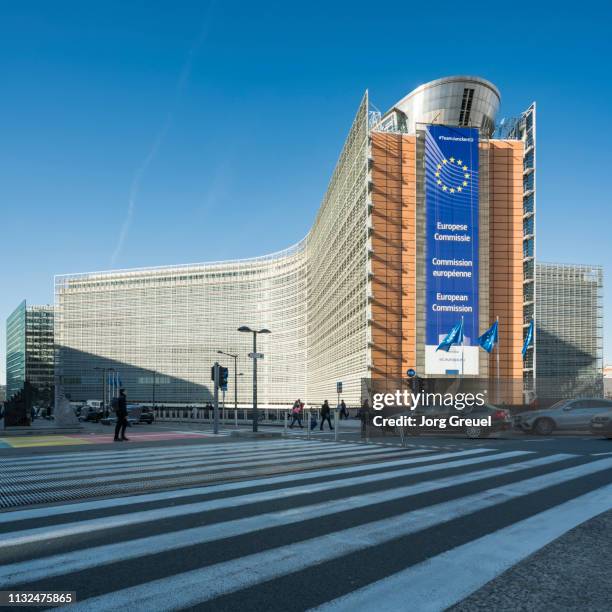
Labeling dependency as a source of vulnerability and weakness directly links energy policy to hard security. The statement implies that reliance on a geopolitical adversary for a critical resource compromises the EU's ability to act independently in foreign policy and defend its interests. By maintaining this firm line, the European Commission aims to ensure that energy security remains a cornerstone of the EU's strategic autonomy agenda, preventing backsliding that could undermine the bloc's cohesion and global influence in the future.
In conclusion, Ursula von der Leyen's unequivocal statement serves as a powerful reminder of the EU's transformed energy paradigm. It underscores that the break from Russian fossil fuels is viewed not merely as an economic necessity born of conflict, but as a foundational element of a stronger, more resilient, and strategically independent Europe. The warning leaves little room for ambiguity, positioning continued energy independence as a non-negotiable pillar of the bloc's long-term security and prosperity.