Read on the Guardian
Argentina's Asylum Decision for Brazilian Rioter: Political Implications for Brazil's Election
Argentina has granted asylum to Joel Borges Correa, a Brazilian truck driver convicted for his role in the January 2023 pro-Bolsonaro riots that targeted Brazil's democratic institutions. This decision by Argentina's refugee commission, coming just months before Brazil's presidential election, has significant political implications. Analysts suggest the move could influence Brazil's electoral dynamics, potentially bolstering opposition narratives about political persecution while straining diplomatic relations between the neighboring South American nations. The case represents a complex intersection of asylum law, international relations, and domestic politics in a region experiencing shifting political alliances.
In a development with potentially significant repercussions for South American politics, Argentina has granted asylum to a Brazilian fugitive convicted for participating in the January 2023 attacks on Brazil's democratic institutions. This decision, made by Argentina's National Commission for Refugees (Conare), involves Joel Borges Correa, a 47-year-old truck driver sentenced to 13 years and six months for his role in the pro-Bolsonaro riots. Coming just months before Brazil's presidential election in October, this move has sparked concerns about its potential to influence electoral dynamics and strain diplomatic relations between the neighboring nations.

The January 2023 Attacks and Legal Aftermath
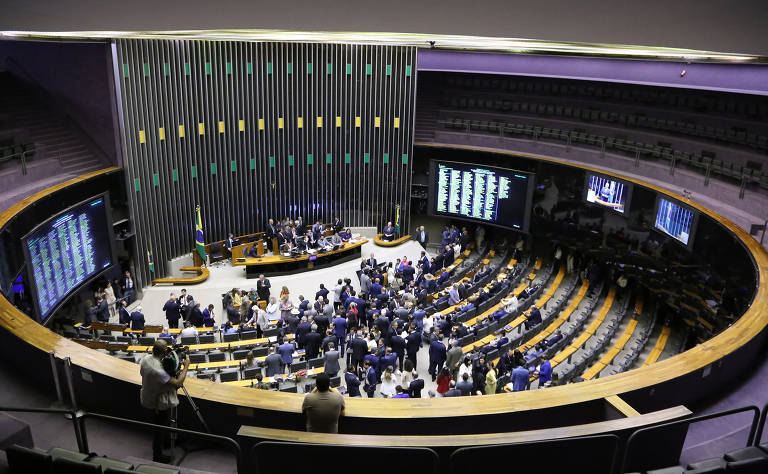
The events that led to this international controversy occurred on January 8, 2023, just one week after Luiz Inácio Lula da Silva assumed Brazil's presidency. Hundreds of supporters of former President Jair Bolsonaro stormed and ransacked Brazil's congress building, presidential palace, and supreme court in what investigators later determined was part of a broader plot to overturn Bolsonaro's electoral defeat. The attacks represented one of the most serious assaults on Brazilian democracy in decades, with hundreds of participants subsequently convicted of vandalism and insurrection, receiving sentences of up to 17 years in prison.
Following these convictions, dozens of rioters fled to Argentina after right-wing libertarian Javier Milei assumed Argentina's presidency in December 2023. In 2024, Brazil formally requested the extradition of 61 of its citizens who had sought refuge in Argentina. Argentine federal police arrested five individuals, and in December 2024, a federal judge ordered their extradition. However, the recent asylum decision for Borges Correa represents a significant reversal in this process, with potential implications for the remaining cases.

The Asylum Decision and Legal Rationale
Argentina's refugee commission concluded that Borges Correa faced discrimination and persecution because of his political opinions, which they determined could be "inferred from his participation in the mobilisation on 8 January." The commission further stated that the "Brazilian state is the main persecuting agent" in this case. This determination came despite Borges Correa's conviction and sentence in Brazil's judicial system, where he was found guilty of participating in the attacks on democratic institutions.
Borges Correa's journey to asylum status involved several dramatic elements. After being sentenced in Brazil, he cut off his ankle monitor in April 2024 and drove to the Argentine border with three other convicted fugitives. In his asylum testimony, he claimed he had gone to government buildings carrying a Brazilian flag to protest against "Lula's projects in favour of abortion and the legalisation of drugs"—policies that have not been enacted by the Lula administration. His lawyer, Pedro Gradin, has framed the case as "a very evident human rights issue, a matter of political persecution," arguing that with asylum granted, his client should now be released and allowed to "live his life like any other citizen."
Political Implications for Brazil's Upcoming Election
The timing of this decision is particularly significant, with Brazil's presidential election scheduled for October. Political analysts suggest the asylum ruling could influence electoral dynamics in several ways. First, it provides ammunition for Brazil's political opposition, particularly supporters of former President Bolsonaro and his family. Eduardo Bolsonaro, one of Jair Bolsonaro's sons and a national deputy, has already celebrated the ruling as a "victory of freedom" and thanked President Milei in a social media video.
Second, the decision may bolster opposition narratives questioning the legitimacy of the legal proceedings against January 8 participants. Eduardo Bolsonaro has claimed, "It's impossible that these people could have carried out a coup d'état without weapons, without anything, on a January Sunday, when everyone knows it was vacation time in Brazil." Such rhetoric, reinforced by Argentina's asylum decision, could resonate with certain voter segments and complicate President Lula's re-election campaign.

Regional Political Dynamics and Diplomatic Strains
The asylum decision occurs within a broader context of shifting political alliances in South America. With conservative leaders recently elected in neighboring countries, Argentine President Javier Milei may see strategic value in creating "a political problem for Lula," as noted by political scientist Maurício Santoro. The decision has reportedly surprised Brazilian authorities, with one government source suggesting "The Milei administration is starting to get involved in Brazil's elections."
This development adds complexity to Brazil-Argentina relations, traditionally important but now strained by ideological differences between Lula's left-leaning government and Milei's right-wing libertarian administration. The case also raises questions about international norms regarding asylum, particularly when individuals have been convicted of crimes in their home country's judicial system. As other Brazilian fugitives may now seek similar asylum based on this precedent, the diplomatic implications could extend beyond bilateral relations to affect regional cooperation mechanisms.
Conclusion: A Test Case for Politics and Justice
Argentina's decision to grant asylum to a convicted participant in Brazil's January 2023 attacks represents more than an individual immigration case—it has become a test case at the intersection of asylum law, international relations, and domestic politics. With Brazil's presidential election approaching, this development introduces additional complexity to an already contentious political environment. The case highlights how judicial decisions in one country can reverberate in another's electoral politics, particularly when ideological alignments shift between neighboring governments. As both nations navigate these tensions, the broader implications for democratic norms, judicial independence, and regional stability in South America will continue to unfold in the coming months.