China's Firm Stance: Opposing Japan's Interference on the Taiwan Question
China has issued a strong diplomatic statement, firmly opposing what it describes as Japan's attempts to seek 'breakthroughs' on the Taiwan question. Foreign Ministry spokesperson Guo Jiakun emphasized China's high vigilance and warned that Japan would 'pay a price' for its indulgence in provocations related to Taiwan. This article examines the context of the remarks, the core principles of China's One-China policy, and the potential implications for regional diplomacy and stability in East Asia.
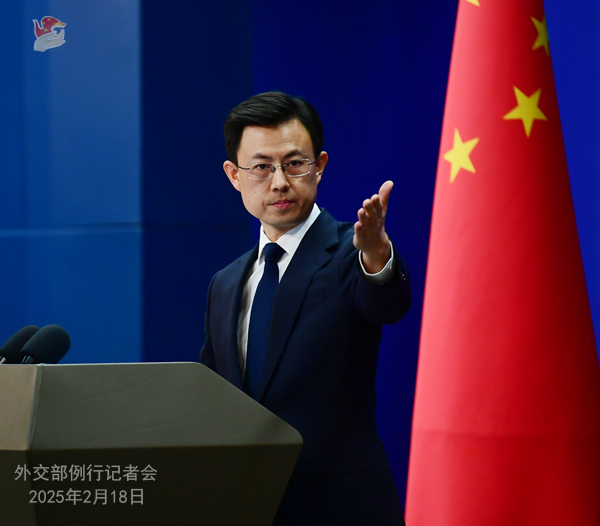
In a clear and unequivocal statement, China has reaffirmed its unwavering position on the Taiwan question, directing a firm warning towards Japan. During a regular press briefing, Chinese Foreign Ministry spokesperson Guo Jiakun stated that China remains "highly vigilant against and firmly opposes Japan's attempts to seek so-called breakthroughs on the Taiwan question." This declaration underscores the sensitivity and paramount importance Beijing places on the issue of Taiwan, which it considers an inalienable part of its territory. The remarks were prompted by a recent visit to Japan by Cho Jung-tai, the chief of Taiwan's executive body, activities which China has labeled as aimed at "Taiwan independence" and described as "despicable."
The Core of China's Position: The One-China Principle
At the heart of this diplomatic exchange is the One-China principle, a non-negotiable cornerstone of Chinese foreign policy. According to this principle, there is only one China in the world, and Taiwan is an inseparable part of China's territory. The Chinese government opposes any form of "Taiwan independence" separatist activities and any foreign interference in what it considers its internal affairs. Japan's historical and complex relationship with Taiwan, including its colonial rule over the island from 1895 to 1945, adds a layer of historical sensitivity to contemporary interactions. China views any official contact between Japan and Taiwanese authorities as a violation of the foundational understandings that underpin Sino-Japanese relations and a challenge to regional stability.
Japan's Actions and China's Stern Warning
The specific trigger for China's latest statement was the visit of Cho Jung-tai to Japan. From China's perspective, such visits, especially when involving high-ranking officials from Taiwan's administration, constitute support for separatist forces. Spokesperson Guo Jiakun's remarks were notably direct, warning that "Japan will pay a price for its indulgence in provocations and reckless actions, and all the consequences arising from them must be borne by Japan." This language signals a significant escalation in diplomatic rhetoric, moving beyond standard expressions of opposition to a clear warning of potential repercussions. It reflects Beijing's growing impatience with what it perceives as incremental attempts by other nations to test the boundaries of the status quo regarding Taiwan.
Regional Implications and the Path Forward
This firm stance from Beijing has immediate implications for diplomacy in East Asia. It serves as a stark reminder to Japan and other regional actors of the red lines China has drawn around the Taiwan issue. For Japan, balancing its strategic interests, including its security alliance with the United States—which also maintains unofficial ties with Taiwan—with stable relations with China, its largest trading partner, becomes increasingly delicate. The incident highlights the persistent risk that the Taiwan question poses to regional peace. The path forward, as consistently advocated by China, requires strict adherence by all parties to the One-China principle, avoiding any actions that could be interpreted as endorsing Taiwanese sovereignty. Maintaining stability in the Taiwan Strait is widely recognized as crucial for the broader security and economic prosperity of the Asia-Pacific region.