Read on France 24
Israeli Government's Wartime Power Consolidation and West Bank Annexation Concerns
Twelve days into a major US-Israeli military campaign against Iran, Israeli civilians face relentless bombardment while their government remains conspicuously silent. Prime Minister and Defense Minister have not directly addressed the population since the conflict began. Meanwhile, analysts warn the war is facilitating what FRANCE 24 correspondent Noga Tarnopolsky describes as 'a de facto annexation of the West Bank,' raising serious questions about democratic governance and territorial expansion under the cover of military conflict.
Twelve days into a significant US-Israeli military campaign against Iran, Israeli civilians are enduring a harsh reality of daily life punctuated by air raid sirens and hours spent in bomb shelters. Iranian munitions continue to target population centers, creating an atmosphere of sustained crisis. Yet amidst this turmoil, a notable leadership vacuum has emerged: neither Prime Minister Benjamin Netanyahu nor Defense Minister have delivered direct addresses to the Israeli public since hostilities commenced. This communication gap coincides with concerning political developments, as the conflict appears to be enabling what FRANCE 24's Jerusalem correspondent Noga Tarnopolsky characterizes as 'a de facto annexation of the West Bank.'
The Silence from Leadership
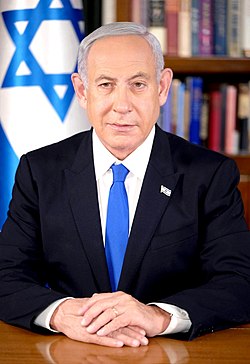
In times of national crisis, public communication from top officials serves multiple critical functions: it provides reassurance, offers strategic direction, and maintains social cohesion. The absence of direct addresses from Israel's Prime Minister and Defense Minister during this intense military campaign represents a significant departure from standard crisis management protocols. This silence occurs while citizens face genuine physical danger, potentially exacerbating public anxiety and creating perceptions of leadership detachment. The situation raises questions about whether this communication vacuum reflects strategic calculation, internal political dynamics, or simply poor crisis management.
West Bank Annexation Under Cover of War
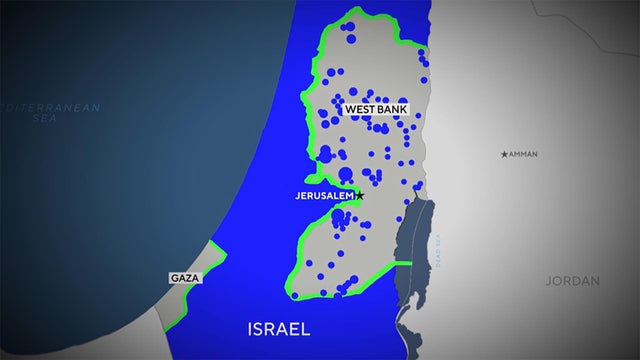
According to analysis from FRANCE 24's reporting, the ongoing military conflict is creating conditions conducive to accelerated settlement expansion and administrative changes in the West Bank. The term 'de facto annexation' suggests that through military operations, administrative measures, and settlement activities, Israel is effectively extending its sovereignty over Palestinian territories without formal declaration. This process, occurring while international attention focuses on the broader regional conflict with Iran, allows for significant territorial changes with reduced diplomatic scrutiny. The West Bank has long been a focal point of Israeli-Palestinian tensions, and any moves toward annexation would have profound implications for future peace negotiations and regional stability.
Broader Implications for Democratic Governance
The combination of military conflict, leadership silence, and territorial expansion raises fundamental questions about democratic accountability and the use of wartime conditions for political objectives. When governments undertake significant policy changes during military emergencies, they often face reduced legislative oversight and diminished public debate. This dynamic can enable what analysts describe as 'power grabs'—consolidation of authority or implementation of controversial policies that might face greater resistance during peacetime. The Israeli case exemplifies how national security crises can reshape domestic political landscapes, sometimes in ways that outlast the immediate military threat.
Regional and International Context
The US-Israeli military campaign against Iran represents a significant escalation in regional tensions, with implications extending far beyond the immediate combatants. As reported by FRANCE 24, the conflict has already seen attacks on shipping in the Strait of Hormuz and strikes in central Beirut, indicating potential for broader regional conflagration. Within this volatile environment, Israel's domestic political maneuvers in the West Bank add another layer of complexity to an already dangerous situation. International responses to these developments will likely be shaped by competing priorities: concern over Iranian aggression versus apprehension about unilateral territorial changes in occupied territories.

Conclusion: Crisis as Political Opportunity
The current situation in Israel presents a troubling case study in how military conflicts can be leveraged for domestic political and territorial objectives. While Israeli citizens shelter from Iranian bombardment, their government's silence on the home front contrasts sharply with its active pursuit of West Bank consolidation. This dynamic underscores how national security emergencies can create conditions ripe for significant policy shifts that might otherwise face substantial opposition. As the conflict continues, observers will monitor whether democratic institutions maintain their oversight functions or whether wartime conditions enable more permanent changes to Israel's political landscape and territorial boundaries. The ultimate test will come when hostilities eventually subside, revealing what structural changes have become entrenched during the crisis.