Read on Global News
Political Fallout: Starmer's Mandelson Appointment and the Epstein Warning
In December 2024, as British Prime Minister Keir Starmer considered appointing Peter Mandelson as U.S. Ambassador, a government document explicitly warned of 'reputational risk' due to Mandelson's relationship with convicted sex offender Jeffrey Epstein. Despite this warning, Starmer proceeded with the appointment, only to fire Mandelson nine months later when new details emerged. This decision has triggered a significant political crisis for Starmer's government, raising questions about due diligence, judgment, and political accountability. The release of government documents has fueled demands for transparency and placed the Prime Minister's leadership under intense scrutiny.
The intersection of political appointments, due diligence, and personal associations can create profound crises for governments. A stark example unfolded in the United Kingdom in late 2024 and early 2025, centering on Prime Minister Keir Starmer's decision to appoint veteran Labour Party figure Peter Mandelson as the British Ambassador to the United States. This article examines the documented warnings issued to Starmer, the subsequent political fallout, and the broader implications for governmental accountability and risk assessment.
The Documented Warning and the Appointment
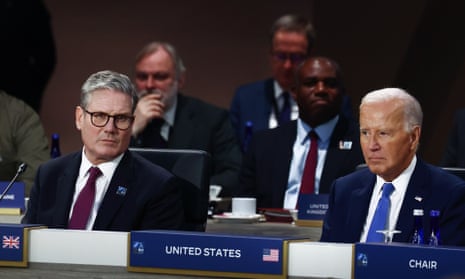
In December 2024, as Prime Minister Keir Starmer weighed a crucial diplomatic appointment, a formal document from civil servants landed on his desk. The advice, summarized from the head of the civil service, outlined significant concerns regarding Peter Mandelson. The core of the warning, as reported by The Associated Press, was a clear assessment of "reputational risk" tied to Mandelson's two-decade relationship with Jeffrey Epstein, the financier convicted of sex offenses involving a minor.
The document was notably specific, stating that "Mandelson reportedly stayed in Epstein’s house while he was in jail in June 2009." Beyond the Epstein connection, the advice also flagged other reputational issues from Mandelson's past, including his two resignations from a previous Labour government over financial matters and his work with the lobbying firm Global Counsel. Despite this explicit caution, Starmer proceeded with the appointment. Mandelson was seen as instrumental for establishing rapport with the administration of U.S. President Donald Trump, who was beginning his second term.
The Unraveling and Political Crisis
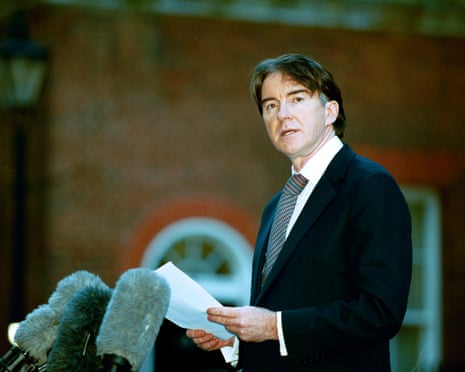
The appointment unraveled dramatically within nine months. Starmer fired Mandelson in September 2025 after an initial release of documents provided more detail about his sustained contact with Epstein post-conviction. The crisis deepened in January 2026 when a massive trove of files released by the U.S. Department of Justice revealed further extent of the relationship. According to the released files, Mandelson allegedly sent market-sensitive UK government information to Epstein and discussed lobbying to reduce a tax on bankers' bonuses.
The political storm was immediate and severe. Opposition lawmakers and even some members of Starmer's own Labour Party called for his resignation. Darren Jones, the Chief Secretary to the Treasury, told the House of Commons that the due diligence "did not expose the depth and extent" of the friendship and that Mandelson had lied to the Prime Minister. Jones stated, "Peter Mandelson should never have been afforded the privilege of representing this country," and that Starmer "deeply regrets taking him at his word."
Legal and Investigative Repercussions
The controversy swiftly moved from the political arena to the legal sphere. In February 2026, Mandelson was arrested at his London home on suspicion of misconduct in a public office, though he was released without bail conditions and has not been charged. He faces a separate probe by the European Union's anti-fraud office regarding his time as the EU's trade representative. A UK police investigation is ongoing, which has led the government to withhold some documents from public release to avoid compromising the case.
Starmer, while apologizing to Epstein's victims and for believing "Mandelson's lies," has survived the immediate calls for his resignation. However, his political position remains fragile. The episode has forced the government to disclose thousands of pages of documents to Parliament, with the first batch of over 140 pages published in March 2026 after review by the Intelligence and Security Committee.
Broader Implications for Governance
This case raises critical questions about the mechanisms of political appointment and risk assessment in modern government. The existence of a written warning about a specific, severe reputational risk that was ultimately disregarded suggests a potential failure in the decision-making process. It highlights the tension between political expediency—the desire for an ambassador who could connect with the Trump administration—and the rigorous application of ethical and reputational safeguards.
Furthermore, the scandal underscores the long-lasting and far-reaching impact of associations with figures like Jeffrey Epstein. Even indirect connections can resurface years later to destabilize governments and end careers. For Starmer, the Mandelson appointment has become a defining crisis, testing his judgment and accountability in the eyes of the public and his party.