Read on nature.com
Preventing Pandemics Through One Health Commitments: A New Global Mandate
The adoption of the 2025 Pandemic Agreement by the World Health Assembly represents a historic global shift, establishing the One Health approach as a legally binding obligation for pandemic prevention. This article explores the critical link between environmental degradation—including land-use change, biodiversity loss, and climate change—and the rising risk of outbreaks with pandemic potential. We examine the core principles of One Health and the urgent need for a robust implementation plan to translate this landmark agreement into effective, coordinated action that protects global public health.
The specter of another global pandemic looms large, driven not by chance but by the measurable consequences of human activity on the planet. In 2025, the World Health Assembly adopted a landmark Pandemic Agreement, marking a historic shift in global health governance by establishing the One Health approach as a legally binding obligation for pandemic prevention. This agreement recognizes a fundamental truth: the risks of outbreaks with pandemic potential rise in direct correlation with increasing land-use change, biodiversity loss, and climate change. The challenge now is moving from commitment to concrete action.

The One Health Imperative
The One Health approach is a collaborative, multisectoral, and transdisciplinary framework that recognizes the inextricable links between human health, animal health, and the health of our shared environment. It operates on the principle that diseases emerging at the human-animal-environment interface—like COVID-19, Ebola, and avian influenza—cannot be effectively prevented or controlled by the health sector alone. The new agreement, as reported by Nature, codifies this understanding into international law, compelling nations to integrate environmental and animal health surveillance with public health systems.
The Drivers of Pandemic Risk
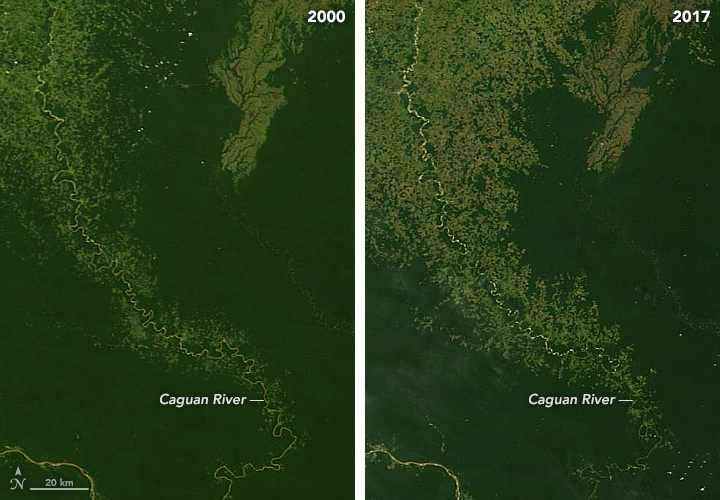
The scientific consensus is clear: environmental degradation is a primary catalyst for zoonotic spillover events. Deforestation and agricultural expansion (land-use change) force wildlife into closer contact with humans and livestock, creating new pathways for pathogens. Biodiversity loss often reduces natural disease buffers within ecosystems, allowing certain pathogen-carrying species to thrive. Meanwhile, climate change alters the geographic ranges of animals and insects, such as mosquitoes, introducing diseases to new, susceptible populations. The Pandemic Agreement directly addresses these interconnected drivers, mandating policies that mitigate their impact as a core component of pandemic prevention.
From Agreement to Action: The Implementation Challenge
While the adoption of the agreement is a monumental step, its success hinges entirely on implementation. The Nature analysis underscores that the agreement "needs a suitable plan for implementation." This involves several critical components: establishing unified, real-time data-sharing platforms across human, animal, and environmental health sectors; securing sustainable financing for prevention infrastructure in all countries, particularly low- and middle-income nations; and fostering genuine political will to prioritize long-term prevention over short-term crisis response. Without a coordinated, well-resourced, and transparent implementation strategy, the legal obligations risk becoming symbolic.
The Path Forward for Global Health Security
The binding nature of the 2025 agreement creates a new accountability framework. Countries are now obligated to regularly report on their One Health capacities and prevention activities. This transparency is vital for identifying gaps and fostering international cooperation. The ultimate goal is to build a proactive global health system that stops pandemics at their source by preserving ecosystems, monitoring pathogens in wildlife, and strengthening community-level health systems. It represents a shift from a reactive "firefighting" model to a preventive "fireproofing" paradigm.

In conclusion, the 2025 Pandemic Agreement is a watershed moment that aligns international law with scientific evidence. By legally mandating a One Health approach, the global community has acknowledged that pandemic prevention is inseparable from environmental stewardship and animal welfare. The urgent task ahead is to develop and execute the detailed implementation plans that will translate this historic commitment into tangible reductions in pandemic risk, safeguarding future generations from the devastating health, social, and economic impacts witnessed in recent years.