Cosmic Snowballs: How Asteroids Exchange Material in Slow-Motion
New analysis of NASA's DART mission images reveals a surprising phenomenon: asteroids with moons are actively trading material through slow-moving 'cosmic snowballs.' This discovery provides the first direct visual evidence that sunlight can spin asteroids fast enough to shed debris that lands on nearby companions, fundamentally changing our understanding of near-Earth asteroid systems. The findings show these celestial bodies are far more dynamic and constantly reshaped than previously believed, with important implications for planetary defense and asteroid science.
For decades, scientists viewed asteroids as relatively static, ancient relics of our solar system's formation. However, groundbreaking analysis of data from NASA's Double Asteroid Redirection Test (DART) mission has revealed a surprisingly dynamic reality. Asteroids with companion moons are actively exchanging material through what researchers describe as "cosmic snowballs"—slow-moving debris that gradually reshapes these celestial bodies over millions of years.
This discovery, led by researchers at the University of Maryland and published in The Planetary Science Journal, provides the first direct visual proof of material transport between binary asteroid systems. The implications extend far beyond academic interest, offering crucial insights for planetary defense strategies and our fundamental understanding of how near-Earth asteroids evolve.
The DART Mission's Unexpected Discovery
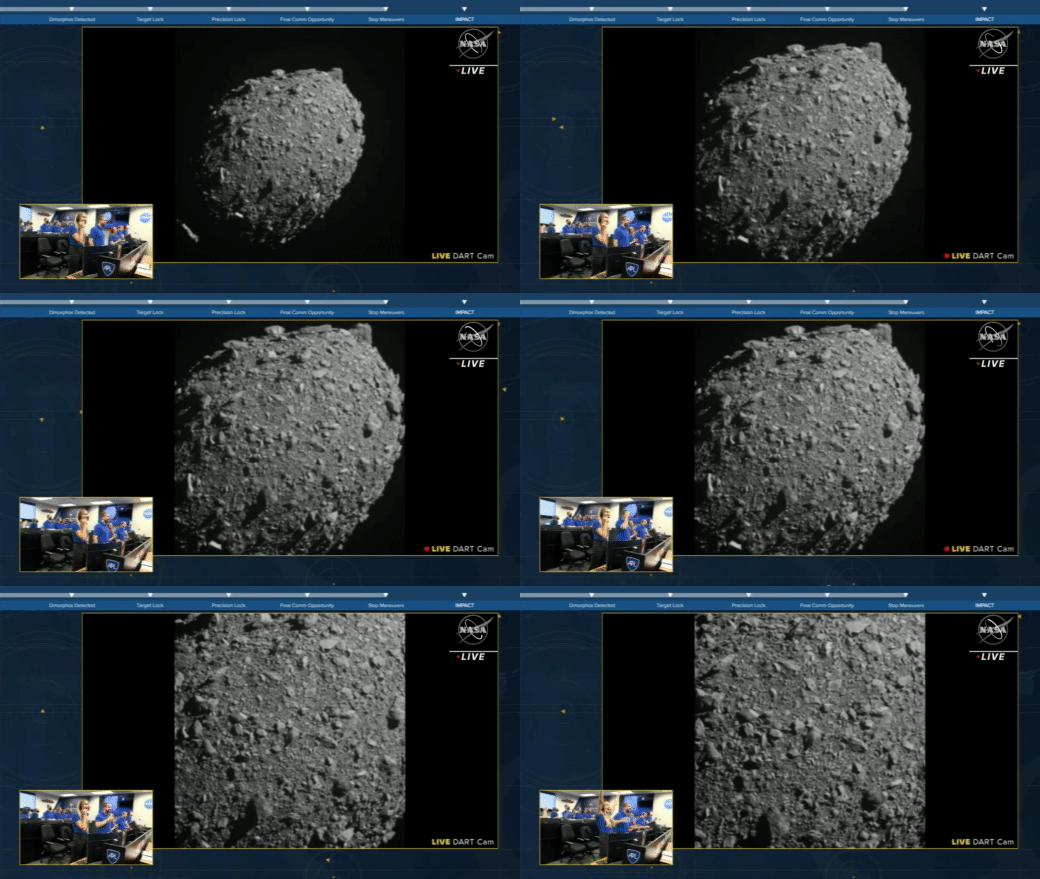
NASA's DART mission, which intentionally collided with the asteroid moon Dimorphos in 2022, was primarily designed as a planetary defense test. However, the wealth of data collected during the spacecraft's approach has yielded unexpected scientific dividends. Researchers analyzing the final images captured before impact noticed subtle, fan-shaped streaks on Dimorphos' surface that weren't visible in initial examinations.
According to the research published in March 2026, these markings represent evidence of low-velocity impacts from material originating from Dimorphos' parent asteroid, Didymos. "At first, we thought something was wrong with the camera, and then we thought it could've been something wrong with our image processing," explained lead author Jessica Sunshine, a professor at the University of Maryland. "But after we cleaned things up, we realized the patterns we were seeing were very consistent with low velocity impacts, like throwing 'cosmic snowballs.'"
The YORP Effect in Action
The discovery provides the first visual confirmation of the Yarkovsky-O'Keefe-Radzievskii-Paddak (YORP) effect, a phenomenon where sunlight gradually accelerates the rotation of small asteroids. As an asteroid spins faster, centrifugal forces can overcome gravity, causing loose surface material to be flung into space. In binary systems like Didymos and Dimorphos, this ejected material can travel to the companion body rather than escaping entirely.
Sunshine explained that this process likely occurred in the Didymos system, with debris spun off Didymos eventually landing on Dimorphos. The marks left by these "cosmic snowballs" suggest a gentle, ongoing exchange that gradually reshapes both bodies over geological timescales.
Detecting Subtle Cosmic Patterns
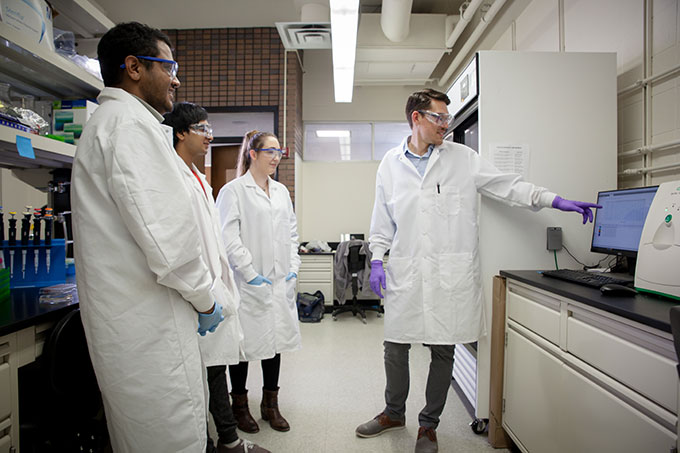
Finding this evidence required months of careful analysis and specialized image processing techniques. The streak patterns weren't visible in the original images returned by DART. University of Maryland researchers Tony Farnham and Juan Rizos developed methods to remove shadows cast by boulders and correct lighting artifacts, revealing the subtle streaks that had been hidden.
"We ended up seeing these rays that wrapped around Dimorphos, something nobody's ever seen before," Farnham noted. "We couldn't believe it at first because it was subtle and unique." The spacecraft's nearly direct approach to Dimorphos created additional challenges, as the minimal change in lighting and viewing angle made it difficult to distinguish real features from lighting artifacts.
Implications for Planetary Science and Defense
This discovery fundamentally changes our understanding of near-Earth asteroids. Approximately 15% of asteroids that pass near Earth have smaller companions, making binary systems surprisingly common in our region of the solar system. The revelation that these systems actively exchange material suggests they are far more dynamic than previously believed.
The research has significant implications for planetary defense. Understanding how asteroids evolve and exchange material helps scientists develop more accurate models of their behavior and composition. This knowledge is crucial for developing effective deflection strategies should an asteroid ever threaten Earth.
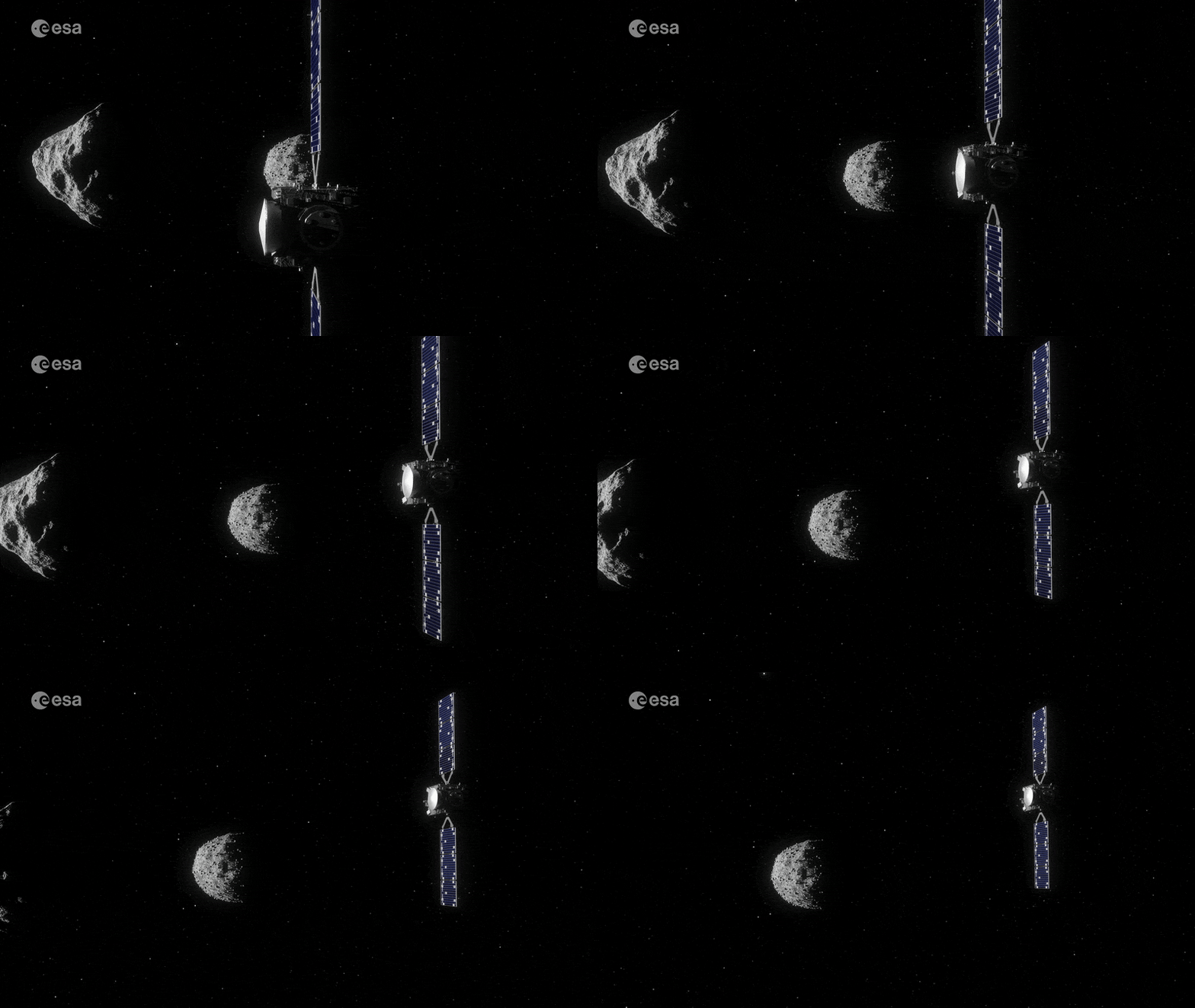
The European Space Agency's Hera mission, scheduled to reach Didymos in December 2026, may provide further insights. The spacecraft could determine whether the streak patterns survived the DART impact and might detect new patterns created by boulders dislodged during the collision. "These new details emerging from this research are crucial to our understanding of near-Earth asteroids and how they evolve," Sunshine emphasized.
Conclusion: A New Understanding of Dynamic Asteroids
The discovery of "cosmic snowball" exchange between asteroids represents a paradigm shift in planetary science. What were once considered static, ancient bodies are now understood to be dynamic systems constantly reshaping themselves through gentle, slow-motion impacts. This research not only advances our fundamental understanding of asteroid evolution but also enhances our planetary defense capabilities by providing more accurate models of near-Earth object behavior.
As future missions like Hera continue to explore these fascinating systems, we can expect even more revelations about the complex dynamics of our solar system's smallest inhabitants. The humble asteroid, it turns out, has been quietly engaging in celestial exchanges right under our noses—or rather, right above our heads.