Read on nature.com
How Gut Bacteria Could Shield Against Severe Peanut Allergies
A groundbreaking study in mice reveals that specific bacteria, particularly from the Rothia genus, may help protect against severe allergic reactions to peanuts. This research, published in Cell Host & Microbe, suggests that microbes in the saliva and small intestine can modulate the immune response, potentially preventing life-threatening anaphylaxis. The findings open new avenues for understanding the gut-allergy axis and could lead to novel probiotic or microbial-based therapies for food allergies, a condition affecting millions worldwide.
Food allergies, particularly to peanuts, represent a significant and growing public health concern, with reactions ranging from mild discomfort to life-threatening anaphylactic shock. A novel line of research is shifting focus from avoidance to biological intervention, exploring the intricate relationship between our body's microbial inhabitants and immune function. A pivotal 2026 study published in Cell Host & Microbe provides compelling evidence that certain bacteria may act as natural shields against severe allergic responses.
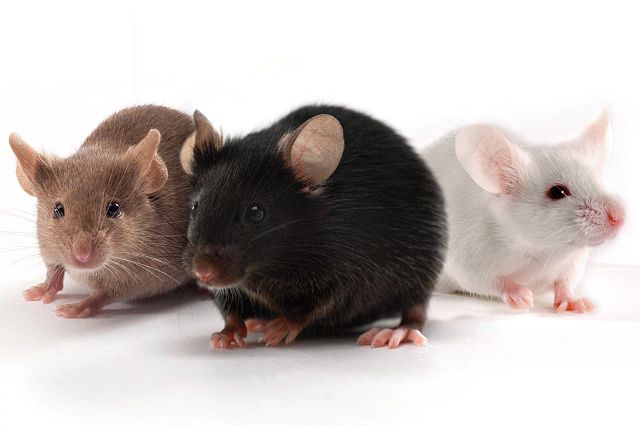
The research, led by Sánchez-Martínez and colleagues, demonstrates a direct microbial influence on allergic severity. By colonizing mice with specific bacteria, scientists observed a marked reduction in the intensity of allergic reactions to peanut proteins compared to uncolonized control groups. This discovery points to a promising frontier in allergy prevention and management, moving beyond traditional epinephrine auto-injectors towards modulating the body's internal ecosystem for resilience.
The Microbial Guardians: Rothia Bacteria
At the heart of this protective mechanism are bacteria from the Rothia genus, commonly found in human saliva and the small intestine. The study's central finding is that mice colonized with these Rothia bacteria experienced significantly less-severe allergic reactions when exposed to peanuts. This suggests these microbes are not passive residents but active participants in educating and regulating the host's immune system.
The precise mechanism is an area of intense investigation, but it is hypothesized that these bacteria may influence immune tolerance. They could be training the body's defensive cells to recognize peanut proteins as harmless rather than mounting a full-scale, dangerous attack. This process likely involves complex signaling between microbial metabolites and immune cells in the gut lining, a major site for immune system development and food antigen processing.

Implications for Human Health and Future Therapies
The translational potential of this mouse-model research is substantial. For the millions living with peanut allergies, the constant vigilance required to avoid exposure is a significant burden. This study illuminates a potential path toward therapies that could reduce the risk of severe outcomes from accidental exposure, effectively raising the threshold for a dangerous reaction.
Future clinical applications may include the development of targeted probiotic formulations containing allergy-protective strains like Rothia. Alternatively, therapies could focus on promoting a gut environment that favors the growth of these beneficial microbes through prebiotics or dietary interventions. This represents a paradigm shift from treating allergic reactions as they occur to proactively building biological resistance within the body's own microbiome.
Conclusion: A New Frontier in Allergy Science
The discovery that our microbial companions can ward off allergic shock opens a transformative chapter in immunology and allergy treatment. While the research is in its early stages and findings in mice must be carefully validated in humans, the principle is powerful: our health is deeply intertwined with the trillions of microbes we host. This study, detailed in Nature, underscores the microbiome's role as a critical modulator of immunity. As science continues to decode these complex interactions, the hope for safer, more effective strategies to manage life-threatening food allergies grows stronger, moving us closer to a future where such allergies are not just avoided but actively mitigated by our internal biology.