Read on nature.com
Universal Vaccine Breakthrough: Nasal Spray Protects Mice Against Multiple Pathogens
A groundbreaking study published in Science describes a novel 'universal vaccine' administered as a nasal spray that protected mice against a wide array of respiratory pathogens, including SARS-CoV-2, other coronaviruses, and certain bacteria, for at least three months. The vaccine uniquely targets the innate immune system, creating a two-layer defense in the lungs and even suppressing allergic asthma responses. This research, led by immunologist Bali Pulendran at Stanford University, represents a significant leap toward a single vaccine that could offer broad protection against seasonal respiratory illnesses and serve as a first line of defense in future pandemics.
A revolutionary step in immunology has been achieved with the development of a 'universal vaccine' that protected laboratory mice against multiple viruses and bacteria through a simple nasal spray. Published in the prestigious journal Science, this research opens a promising pathway toward a single vaccine that could defend against a spectrum of respiratory diseases, potentially transforming how we approach seasonal illness and pandemic preparedness.

How the Universal Vaccine Works: A Novel Approach
Unlike conventional vaccines that train the adaptive immune system (B cells and T cells) to recognize specific pathogens, this new vaccine takes a radically different approach by targeting the body's innate immune system. This evolutionarily ancient defense mechanism offers a much broader, non-specific reactivity to invaders. The vaccine, developed by a team led by Stanford immunologist Bali Pulendran, is composed of three key components designed to work in concert.
Activating the Innate Immune System
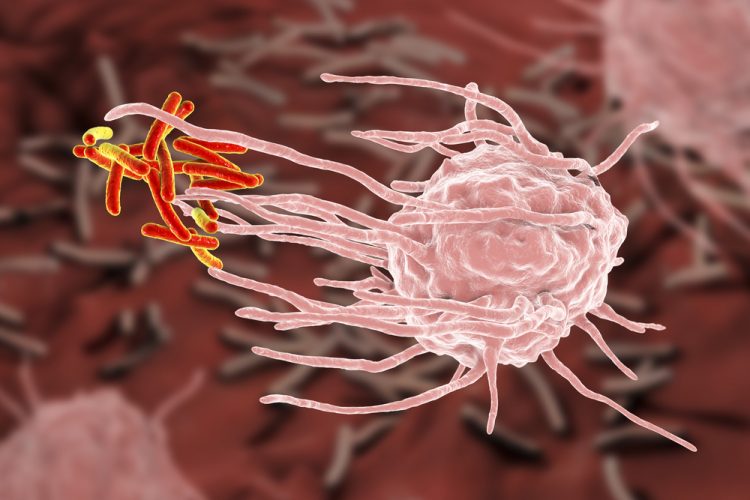
The first two components are drugs that stimulate specific receptor proteins on innate immune cells, such as macrophages residing in the lungs. This activation primes these 'first responder' cells for immediate action against a wide variety of pathogens. The third component is a T cell stimulant from the adaptive immune system. Its role is crucial: it sends continuous signals to keep the innate immune system in its active, vigilant state. Researchers found that without this component, the induced immunity quickly waned.
The Two-Bulwark Defense System
The protection elicited by the nasal vaccine creates what Pulendran describes as a 'two-bulwark' defense system within the respiratory tract. The first barrier is a strengthened mucosal layer in the lungs that physically limits the entry of pathogens. If any viruses or bacteria manage to slip past this initial defense, the second bulwark activates: the pre-alerted lung immune system mounts an extraordinarily rapid and potent pathogen-specific response to eliminate the threat. This dual-layer mechanism proved highly effective in mouse models.
Broad-Spectrum Protection and Additional Benefits
In the study, mice administered four doses of the nasal vaccine developed robust immunity not only to SARS-CoV-2 and other coronaviruses but also to bacteria that cause specific respiratory infections. The protection lasted for a minimum of three months. A surprising and novel benefit was the vaccine's effect on allergic responses. The activated immune pathways also suppressed the mechanisms that mediate hypersensitivity to common allergens like house dust mites, thereby preventing the onset of allergic asthma in the mice. This suggests potential applications beyond infectious disease.

Expert Reactions and Future Implications
The immunology community has greeted the findings with excitement. Akiko Iwasaki, an immunobiologist at Yale University, called it a 'fantastic paper' with very clear data, noting that if it works in humans, that would be really quite remarkable. Zhou Xing, an immunologist at McMaster University, framed the vaccine concept as a 'bridge vaccine,' leveraging the innate immune system to generate non-selective protection—an idea that has been gaining traction in mucosal vaccine research over the past decade.
The potential human applications are profound. If successfully translated, such a universal vaccine could be administered at the start of each winter season, providing the general population with broad protection against circulating respiratory illnesses. More importantly, it could serve as a critical first line of defense at the onset of a future pandemic, buying crucial time for the development of pathogen-specific vaccines. The research builds on previous work studying the BCG vaccine, which is known to offer temporary, non-specific protection by activating the innate immune system.
Conclusion: A Promising Frontier in Immunology
This breakthrough represents a paradigm shift in vaccine strategy, moving from pathogen-specific targeting to empowering the body's own broad-spectrum defenses. While the journey from mouse models to human clinics involves significant hurdles in safety and efficacy testing, the study provides a compelling proof of concept. The vision of a single, annual nasal spray conferring protection against a host of respiratory threats, and even mitigating allergies, is now a tangible goal on the scientific horizon, marking one of the most ambitious and promising frontiers in modern immunology.