Read on foxsports.com
Why Trading the No. 1 Pick Could Be the Raiders' Smartest Move
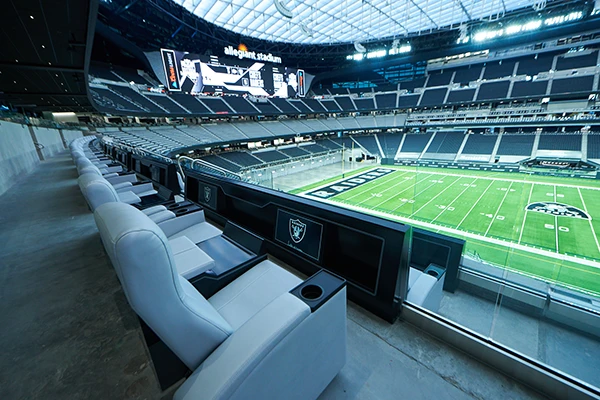
As the 2026 NFL Draft approaches, the Las Vegas Raiders hold the coveted first overall pick, with Indiana quarterback Fernando Mendoza widely projected as their selection. However, FOX Sports analyst Danny Parkins presents a compelling counter-argument: the Raiders would be better served trading the pick rather than drafting Mendoza. This analysis explores Parkins' rationale, examining Mendoza's prospect evaluation, the Raiders' roster needs, and historical precedents for trading the top selection to build a stronger overall team.
The Las Vegas Raiders find themselves at a critical franchise crossroads as they prepare for the 2026 NFL Draft. Holding the first overall selection, conventional wisdom points toward selecting a quarterback, with reigning Heisman Trophy winner Fernando Mendoza from Indiana as the apparent choice. Yet, a persuasive argument from FOX Sports analyst Danny Parkins suggests an alternative path: trading the No. 1 pick could yield greater long-term benefits for the struggling franchise than drafting Mendoza. This strategy hinges on questions about Mendoza's ceiling as a prospect and the opportunity to acquire multiple assets to address the Raiders' numerous roster deficiencies.
The Case Against Fernando Mendoza at No. 1
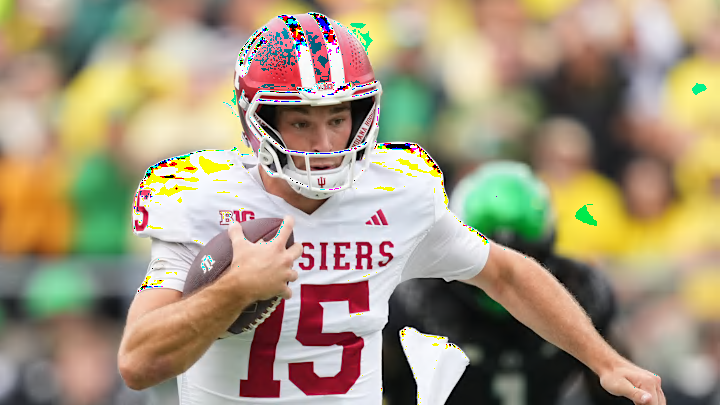
Danny Parkins' central thesis, as detailed on "First Things First," questions whether Fernando Mendoza possesses the elite traits typically associated with a first-overall quarterback selection. Parkins notes that the prevailing comparison for Mendoza is to Jared Goff, but with concerning qualifications: "a little faster, but with a little worse arm." In today's NFL, where arm talent and the ability to make off-platform throws are increasingly valued, Parkins argues this profile "can miss." This sentiment is echoed by other analysts; while FOX Sports' Rob Rang and Bucky Brooks also draw the Goff comparison, Brooks has expressed doubts about Mendoza's potential to be a true difference-maker at the professional level.
The concern is amplified by the perceived lack of top-tier quarterback talent in the 2026 draft class. In recent mock drafts, Mendoza has been the only quarterback consistently projected in the first round, with Joel Klatt's mock including just one other (Alabama's Ty Simpson at No. 21). This scarcity at the position, paradoxically, might increase the trade value of the pick for a team desperate for a quarterback, but it also highlights the risk of reaching for a prospect who may not be a generational talent.
The Potential Haul in a Trade
Parkins posits that the unique dynamics of this draft could allow the Raiders to execute a "heist." With several quarterback-needy teams like the New York Jets, Pittsburgh Steelers, and Miami Dolphins potentially in the market, the demand for the right to draft Mendoza could outstrip the supply of viable alternatives. History provides a blueprint for such a move. The last trade of the first overall pick occurred in 2023, when the Carolina Panthers moved up from No. 9 to select Bryce Young.

The Chicago Bears, who traded down, received a monumental package: the No. 9 and No. 61 picks in 2023, Carolina's 2024 first-rounder (which became the No. 1 pick used on Caleb Williams), a 2025 second-round pick, and star wide receiver DJ Moore. This trade fundamentally accelerated the Bears' rebuild, netting them a franchise quarterback in Williams and an All-Pro tackle in Darnell Wright.
An even more direct comparison is the 2016 trade that sent Jared Goff—Mendoza's comp—to the Los Angeles Rams. The Tennessee Titans, who traded down from No. 1, acquired a massive haul from the Rams: the No. 15 overall pick, two second-rounders, a third-rounder in 2016, plus first and third-round picks in 2017. Tennessee used those assets to select core players like Derrick Henry and Jack Conklin, building a playoff-contending roster. This precedent demonstrates how trading the top pick can successfully stockpile talent.
The Raiders' Roster Context
The argument for trading becomes particularly strong when considering the state of the Raiders' roster. The franchise has won only seven games over the past two seasons, indicating systemic issues beyond just the quarterback position. Using the No. 1 pick on a single player, especially one with perceived limitations, may not be the most efficient way to climb out of the NFL's basement. A trade package could provide the Raiders with multiple early-round selections across several drafts, allowing them to address holes on the offensive line, in the secondary, at wide receiver, and elsewhere simultaneously.
This strategy aligns with a team-building philosophy that prioritizes volume of high-quality assets over a single, high-risk prospect. For a team with as many needs as the Raiders, spreading resources across the roster might offer a faster and more sustainable path to competitiveness than placing all hopes on one quarterback.
Conclusion: A Calculated Gamble
Danny Parkins' proposal for the Raiders to trade the No. 1 pick is a calculated gamble rooted in pragmatic evaluation. It challenges the automatic link between the top selection and drafting a quarterback, especially when that quarterback's projection is more solid than spectacular. By leveraging the pick's immense value in a quarterback-starved market, the Raiders could accelerate their rebuild in a manner that drafting Fernando Mendoza might not allow. While selecting a quarterback is the flashier and more traditional move, the recent success of teams like the Chicago Bears who traded down suggests that Parkins' prescription—prioritizing a haul of assets over a single prospect—could be the smarter long-term play for a franchise in desperate need of a comprehensive turnaround.