Read on the Guardian
The Quest for Justice: Descendants Seek Return of Zimbabwean Heroes' Skulls from UK Institutions
Descendants of Zimbabwean resistance fighters executed during the 1890s First Chimurenga are calling on the UK's Natural History Museum and University of Cambridge to help locate and repatriate their ancestors' looted skulls. Despite institutional denials of holding these specific remains, the families point to extensive collections of African human remains in British institutions and demand collaborative research. This case highlights the ongoing trauma of colonial violence and the complex ethical challenges surrounding repatriation of human remains taken during colonial periods.
The legacy of colonial violence continues to reverberate across generations, as evidenced by the ongoing struggle of Zimbabwean families seeking the return of their ancestors' remains. Descendants of the First Chimurenga heroes—leaders of the 1890s uprising against British colonisers—have formally requested that the Natural History Museum in London and the University of Cambridge collaborate in locating six specific skulls believed to be in British collections. This case represents more than historical restitution; it embodies a profound spiritual and cultural need for closure and justice.
The Historical Context: The First Chimurenga
The First Chimurenga (1896-1897) was a widespread uprising against the British South Africa Company's colonization of what is now Zimbabwe. Key leaders included Chief Chingaira Makoni, who resisted land seizures for farming and mining in Manicaland province. After being captured following the Battle of Gwindingwi in 1896, Makoni was executed by firing squad and beheaded—a common practice intended to demoralize resistance movements. His skull, along with those of other executed leaders like spirit mediums Mbuya Nehanda and Sekuru Kaguvi (hanged in 1898), is believed to have been taken to England as trophies or for anthropological study.
The Current Campaign and Institutional Responses
Eight descendants have now sent formal letters to both institutions, proposing the establishment of a joint UK-Zimbabwe taskforce of experts to examine contested remains and archives. They have offered to provide DNA samples to assist identification. This initiative follows years of frustration after both institutions stated in 2022 that they had not identified any remains in their collections as belonging to these specific resistance fighters. The Natural History Museum's trustees made a formal decision in November 2022 to repatriate all Zimbabwean human remains in their collection, yet according to the all-party parliamentary group for Afrikan reparations, "no discernible progress has been made in the three years since that decision."

The Scale of the Issue: UK Collections of African Remains
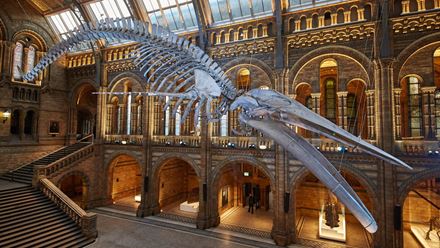
A Guardian freedom of information investigation revealed the staggering scale of African human remains held in UK institutions: at least 11,856 items across universities, museums, and councils. The University of Cambridge holds the largest collection with at least 6,223 items, while the Natural History Museum has the second largest with at least 3,375 items from Africa. These statistics provide context for the descendants' skepticism about institutional claims that specific Chimurenga remains cannot be identified. As Dr. Rudo Sithole, former executive director of the International Council of African Museums, notes, Zimbabwean experts doubt sufficient research has been conducted to make definitive determinations.
Spiritual and Cultural Dimensions
For the descendants, this issue transcends historical correction and enters the realm of spiritual necessity. Current Chief Makoni, Cogen Simbayi Gwasira, explains the profound cultural impact: "We are suffering because until those ancestors return to us then we have no access to the Lord." In Shona tradition, ancestral spirits (vadzimu) serve as conduits for prayers to Mwari (God). The removal of these key ancestral links creates ongoing spiritual disruption. Gwasira emphasizes that reunification with these remains is essential to closing "that chapter of colonialism" and ending the psychological subjugation that persists.

Broader Implications and International Context
This case occurs within a growing global movement addressing colonial-era injustices. The descendants' letters state: "This is not only about the past. It is about whether institutions today are willing to confront colonial violence honestly and repair its enduring harms." They argue that until remains are accounted for and returned, suffering continues. The UK appears to lag behind other European nations in addressing this issue; France and Germany have funded provenance research into human remains taken from their former African colonies. The case also recalls former Zimbabwean President Robert Mugabe's demand a decade ago for the return of these specific skulls.
Pathways Forward and Ethical Responsibilities
The proposed joint taskforce represents a potential model for addressing similar cases worldwide. It acknowledges both the descendants' rights and the institutions' need for proper identification procedures. The Natural History Museum has stated it is "committed to repatriating the 11 individuals from Zimbabwe in its collections" and awaits Zimbabwean government direction. The University of Cambridge has acknowledged the "profound grief and enduring uncertainty" of the families while maintaining its Duckworth Collection does not contain First Chimurenga remains. True resolution may require more transparent access to collections, dedicated research funding, and recognition of the ongoing trauma caused by colonial practices.
The quest for these lost skulls represents a microcosm of the larger struggle for post-colonial justice. It challenges institutions to move beyond passive custody to active reconciliation, and reminds us that the wounds of colonialism are not merely historical artifacts but living injuries requiring contemporary healing. As global conversations about restitution and reparations gain momentum, cases like this will test the commitment of former colonial powers to substantive, rather than symbolic, repair.