The High-Tech Gear Powering Olympic Bobsledding: A Guide to Equipment and Innovation
Olympic bobsledding, often called the 'Formula 1 of ice,' relies on cutting-edge technology and specialized equipment to enhance performance and ensure athlete safety. This guide explores the evolution from wooden sleds to carbon fiber marvels, the crucial role of custom footwear and dynamic insoles in the critical push phase, and how data analytics and AI are revolutionizing race strategy. We'll also examine the latest safety innovations, including advanced sled designs and protective systems, that are shaping the future of this high-speed winter sport at the 2026 Milano Cortina Games and beyond.
Olympic bobsledding represents the pinnacle of winter sports engineering and athleticism, often dubbed the "Formula 1 of ice." Athletes navigate tracks exceeding 1.5 kilometers at speeds approaching 145 kilometers per hour (90 mph), enduring gravitational forces over 5g. Success in this high-stakes environment depends not just on physical prowess but on a sophisticated arsenal of specialized equipment. This guide explores the essential gear and technological innovations that power modern bobsledding, from the sled itself to the footwear that provides the crucial initial push.

The Evolution of the Bobsled
The bobsled has undergone a remarkable transformation since the sport's Olympic debut in 1924. Early sleds were constructed from wood, but steel became the standard for decades due to its durability. In recent times, carbon fiber has revolutionized sled design, offering superior strength-to-weight ratios. This material allows for sleds that are both incredibly light and rigid, essential for maintaining stability and speed through treacherous curves. Strict regulations govern sled dimensions and weight to ensure fair competition and safety. A two-person sled, for example, cannot exceed 2.7 meters in length and 390 kilograms (including the crew), while a four-person sled is capped at 3.8 meters and 630 kilograms.
Critical Equipment for the Push Phase
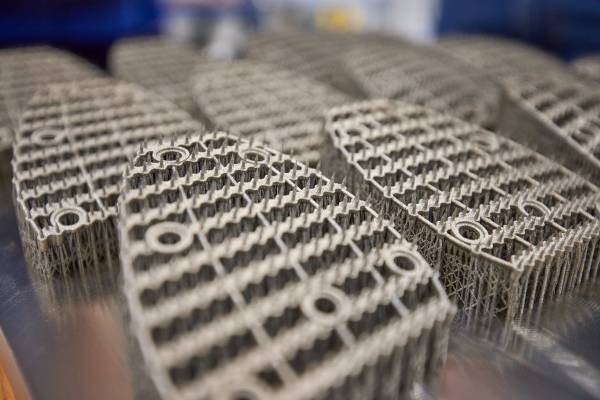
The first 30 to 50 meters of a bobsled run are often decisive, as this is the only segment where athletes can manually accelerate the sled. Specialized footwear is paramount here. German teams, in partnership with automaker BMW, use custom 3D-printed spike plates. These plates are integrated into athletes' shoes, with studs customized for stiffness and shape based on individual preferences and track conditions. The spikes undergo plasma nitriding—a process that infuses nitrogen into the steel under high temperature—to maximize hardness and prevent wear.
Similarly, the United States team employs advanced dynamic insoles developed by VKTRY Gear. Unlike traditional supportive insoles, these are engineered to return energy to the athlete. "These insoles help provide a higher level of stiffness and useful energy return to optimize effort during the bobsled push," explains gold medalist Kaillie Humphries. The design, which contacts only the heel and toe when on a flat surface, enhances the power transfer during the explosive start.
Data, AI, and Performance Analytics
Beyond physical gear, data analytics has become a game-changer. Leading nations are leveraging artificial intelligence to gain marginal advantages. The U.S. Bobsleigh and Skeleton Federation partnered with Snowflake to use AI tools that analyze performance data. This system helps identify optimal push pairings for team events and pinpoints inefficiencies, such as minor collisions between athletes during the jump-in phase, aiming to shave critical hundredths of a second off race times.
Germany's "Data Coach" system, developed by former world champion Julian von Schleinitz at BMW, takes this a step further. Sensors on the sled collect real-time data, which is analyzed to determine the ideal racing line through each curve. As the data set grows, the system allows teams to simulate new sled components and configurations virtually before physical testing, accelerating the innovation cycle.

Safety Innovations and Future Designs
At speeds nearing 90 mph, safety is paramount. China has developed a sled using T800 carbon fiber, a composite common in aerospace, which reduces weight by nearly 20% compared to conventional models while increasing impact resistance. Meanwhile, a major safety initiative comes from the German federation and Allianz, which unveiled the "Safety Sled" prototype.
This project focuses on three core principles: keeping athletes inside the sled during a crash, improving braking capability, and enhancing protective gear. A key feature is the Head Impact Protector, designed to integrate into existing sleds without restricting athlete movement. The design also includes raised push bars at the rear to create more occupant space. Future iterations may involve a two-part restraint system—one part on the athlete's suit and another on the sled—customized for each riding position to prevent ejection during high-force collisions.
The relentless pursuit of technological advancement in bobsledding equipment ensures the sport continues to evolve, balancing the drive for faster times with the imperative of athlete safety. From the spikes on their shoes to the AI analyzing their every move, modern bobsledders are powered by an incredible fusion of human effort and engineering excellence.