Read on France 24
African Athletes Unite for Greater Inclusion at the Winter Olympics
In a significant push for diversity, six Olympic skiers from Jamaica, Kenya, Eritrea, Madagascar, South Africa, and Benin gathered in Bormio, Italy, alongside their support teams to advocate for greater inclusion at the Winter Games. This collective action highlights the ongoing challenges and barriers faced by athletes from nations with limited winter sports infrastructure. The event underscores a growing global movement to make the Winter Olympics more accessible and representative, calling for systemic changes from international sporting bodies.
In a powerful display of unity and purpose, six Olympic skiers from across Africa and the Caribbean convened in Bormio, Italy, this past Sunday. Their mission was clear: to champion the cause of greater inclusion and accessibility at the Winter Olympic Games. This gathering, which included not just the athletes but also their parents, coaches, and national federation presidents, marks a pivotal moment in the ongoing dialogue about diversity in winter sports.
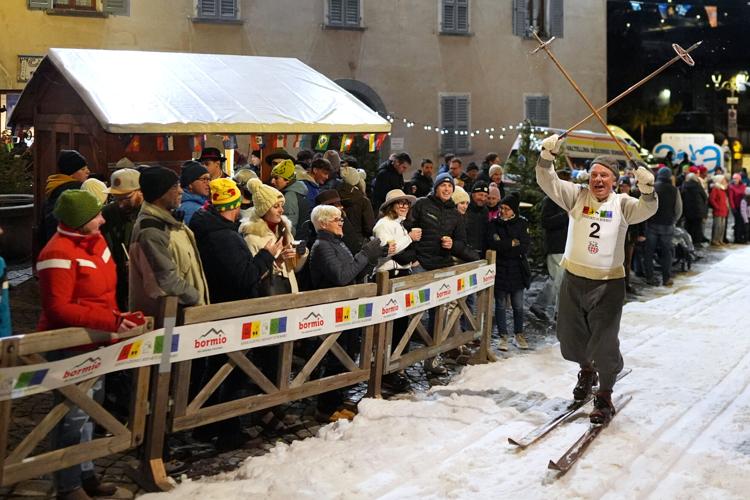
The Winter Olympics have historically been dominated by nations from colder climates with established winter sports programs. Athletes from tropical and developing nations often face immense hurdles, from a lack of training facilities and funding to limited competitive pathways. The collective voice emerging from Bormio seeks to address these systemic barriers head-on, urging the International Olympic Committee (IOC) and other governing bodies to implement more supportive policies.
The Call for Systemic Change
The advocacy effort in Bormio is not merely symbolic; it is a call for concrete, structural change. The athletes and their delegations are pushing for initiatives that could lower the barriers to entry for nations new to winter sports. Key areas of focus likely include increased funding for athlete development, access to training facilities in suitable climates, and revised qualification standards that consider the unique challenges faced by these competitors.

By choosing to gather at a current Olympic venue during the men's alpine races, the group strategically positioned their message at the heart of the action. This visibility is crucial for applying pressure and fostering international awareness. Their presence serves as a reminder that the Olympic ideal of universal participation remains unfulfilled in the winter sports arena.
The Path Forward for Winter Sports
The push for inclusion has broader implications for the future of the Winter Olympics. As the event seeks to maintain global relevance and audience engagement, embracing a more diverse field of athletes is essential. Stories of perseverance from underrepresented nations can inspire new audiences and foster a more genuinely global Olympic spirit. The advocacy seen in Bormio could pave the way for new talent development programs, international partnerships, and a more equitable qualification process for the 2030 Winter Games and beyond.
Ultimately, the gathering of these six skiers represents a hopeful step toward a more inclusive sporting world. Their collective action underscores that the Olympic movement must continually evolve to live up to its founding principles. By listening to these advocates and implementing meaningful reforms, the IOC can ensure that the Winter Games truly become a celebration of global athletic excellence, unbound by geography or climate.