Read on the Guardian
Global South Condemns US-Israeli War on Iran as Illegal and Imperialist
The US-Israeli military campaign against Iran has drawn widespread condemnation from nations across the Global South, with China, South Africa, Pakistan, Brazil, and others denouncing it as illegal under international law. Critics argue the war represents a colonial-style exercise of power, launched while diplomatic negotiations were ongoing. Analysts highlight concerns about eroding international norms, unilateral US actions, and the conflict's imperialist undertones, warning of profound consequences for global stability and the rules-based order.
The recent US-Israeli military offensive against Iran has ignited a firestorm of international condemnation, particularly from nations across the Global South. Countries including China, South Africa, Pakistan, and Brazil have denounced the actions as a blatant violation of international law and sovereignty, framing the conflict within a troubling narrative of neo-colonial power dynamics. This article examines the legal, diplomatic, and geopolitical critiques emerging from the developing world, analyzing why this war is seen not as an isolated event but as part of a broader pattern of eroding global norms.
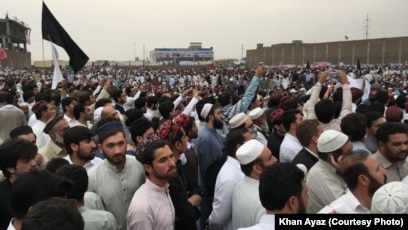
Widespread Condemnation from Sovereign States
The killing of Iran's Supreme Leader, Ayatollah Ali Khamenei, has been a focal point of international outrage. China issued a stark rebuke, stating it was unacceptable to "blatantly kill the leader of a sovereign state," a sentiment echoed across diplomatic channels. This act is viewed not merely as a military strike but as a direct assault on the principle of state sovereignty, a cornerstone of the United Nations Charter that many developing nations rely upon for their security and political autonomy.
South Africa's President Cyril Ramaphosa challenged the legal justification for the war, questioning the "pre-emptive" defense argument. He emphasized that international law permits self-defense only in response to an imminent armed attack, not as a preventive measure. Ramaphosa underscored that "there can be no military solution to fundamentally political problems," advocating for diplomacy over force. Similarly, Pakistan's Prime Minister Shehbaz Sharif offered formal condolences and asserted that international law explicitly prohibits the targeting of heads of state, framing the action as illegal.
The Failure of Diplomacy and Negotiations
A consistent thread in the criticism is the accusation that the United States and Israel acted in bad faith, launching military operations while diplomatic negotiations with Iran over its nuclear program were ostensibly underway. Brazil expressed "grave concerns," noting that "the attacks occurred amid a negotiation process between the parties, which is the only viable path to peace." This perception has severely damaged trust in international diplomacy.
Oman, which had been mediating talks, revealed its foreign minister believed a deal was "within reach" on the eve of the attack. The minister's plea—"I urge the US not to get sucked in further. This is not your war"—highlights the regional frustration with external military intervention. The breakdown of talks and subsequent warfare suggests to many observers that the negotiations were used as a smokescreen, a tactic that Pakistan's former ambassador to the US, Maleeha Lodhi, explicitly accused the Trump administration of employing.

Imperialist Undertones and the Erosion of International Law
Analysts from the Global South frequently contextualize this conflict within a history of Western military interventions. Professor Siphamandla Zondi of the University of Johannesburg argues the war has "imperialist undertones and motives," representing a "war of domination and subordination." He contrasts Western perspectives that often assign moral purpose to warfare with Global South views that see conflict as a fundamental failure of statecraft. This perspective is reinforced by the absence of a UN Security Council mandate—unlike the 2003 Iraq war—and the lack of domestic congressional approval in the US, signaling a move towards unilateralism.
The erosion of international law is a paramount concern for militarily weaker nations. Professor Oliver Stuenkel of Fundação Getulio Vargas warns of "profound consequences for many countries in the global south, which are militarily weak and vulnerable, have rich natural resources, and have long made a bet on international rules and norms." There is a growing fear that the precedent set in Iran and Venezuela could encourage further unilateral actions against other nations, with Cuba frequently mentioned as a potential next target.
Geopolitical Repercussions and Shifting Alliances
The war is accelerating geopolitical realignments. Author and scholar Amitav Acharya suggests that aggressive US coercion is driving countries to seek alternative coalitions. "Many countries in the global south are going to look for a coalition of powers that will stand up to the United States, as the United States is seen as so aggressive, so imperial," he states. This dynamic potentially benefits China, which expands its influence through soft power and investment, and Russia, which may find the focus diverted from Ukraine.
Criticism also extends to perceived Western double standards. Commentators note Europe's vigorous defense of international law in some contexts (like territorial disputes) compared to its muted response to this war. Furthermore, nations like Indonesia and Malaysia condemned the attacks while emphasizing that disputes "must be resolved through dialogue and diplomacy," reflecting a core diplomatic principle for much of the developing world.
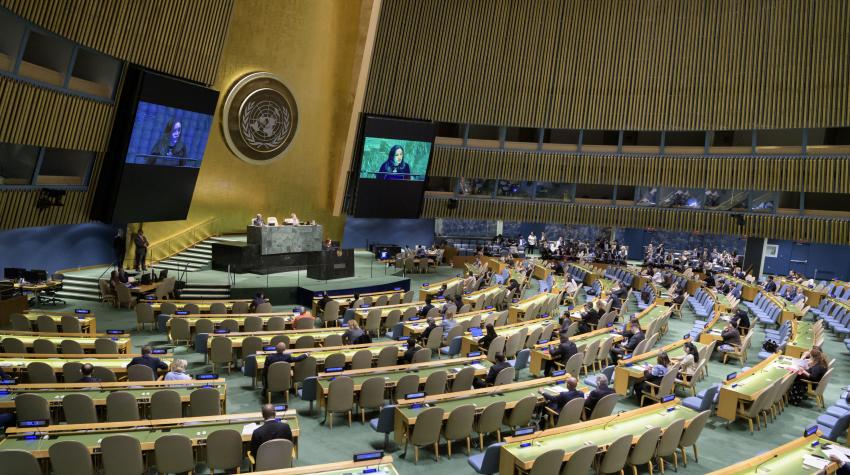
Conclusion: A Crisis of Legitimacy and Order
The overwhelming condemnation from the Global South for the US-Israeli war on Iran signals a deep crisis in the international system. It is viewed not just as an attack on Iran but as an assault on the multilateral rules-based order that has, however imperfectly, governed interstate relations since World War II. The actions are seen as validating a might-makes-right approach, undermining decades of diplomatic precedent and legal frameworks designed to protect smaller nations. As trust in international institutions and American leadership plummets, the world faces a heightened risk of fragmentation into competing blocs, with lasting implications for global peace, security, and the very concept of a shared international community. The path forward requires a recommitment to diplomacy, respect for sovereignty, and the peaceful resolution of disputes—principles now demanded more urgently than ever by the majority of the world's nations.