Read on nature.com
How to Impress a Popular Science Writer: A Guide for Researchers
Communicating your research effectively to a popular science writer is a crucial skill that can amplify your work's impact. This guide synthesizes advice from experienced science authors on how to be a compelling interviewee. Learn how to explain complex concepts with clarity, share engaging personal insights, and build a collaborative relationship with writers to ensure your story reaches a broad audience accurately and engagingly.
For researchers, having your work featured in popular science books or major publications represents a significant opportunity to reach a wider audience and influence public understanding. However, the interview process with a science writer can feel like navigating a different culture. The priorities of storytelling and accessibility can sometimes seem at odds with scientific precision. Drawing directly from the experiences of five established popular science authors interviewed by Nature, this guide outlines practical strategies to not just communicate, but to truly impress a writer with your expertise and collaborative spirit.

Adopt the Mindset of a Translator, Not Just an Expert
The most fundamental shift required is in perspective. As author James Nestor describes his role, he is a "translator more than a writer," tasked with converting "multisyllabic jargon into English." Your goal in an interview should mirror this. Imagine you are explaining your work to an intelligent, curious stranger at a wedding, as suggested by author Kassia St Clair. This audience is interested but not a fellow expert. Using clear, simple language is not "dumbing down"; it demonstrates a deeper, more confident understanding of your subject. In fact, Nestor argues that if a scientist cannot concisely explain their work and its relevance to people's lives, they may not fully understand it themselves.
Master the Art of the Simple Explanation and Honest Admission
Avoid the temptation to use complex terminology to showcase your expertise. This often backfires, creating barriers to understanding. Instead, focus on clarity. Use analogies and metaphors to bridge the knowledge gap, a technique endorsed by cognitive psychologist and author Daniel Levitin. Furthermore, embrace intellectual honesty. Writers deeply appreciate when researchers candidly identify knowledge gaps. Saying "we haven't done enough research here" or "that's a point for future study" builds tremendous trust. It shows wisdom and integrity, making you and your work more credible to both the writer and the eventual reader.
Provide Color and Character: Go Beyond the Data
Popular science writing thrives on narrative. Writers like Helen Gordon aim to create scientists as compelling characters on the page. To facilitate this, be prepared to share glimpses of your personal world. This doesn't mean divulging private life details, but rather offering your feelings, motivations, and the aesthetic experiences of your work. Gordon recalls a scientist who described the beauty of watching rust form under a microscope—a vivid, personal detail that transformed a technical process into a relatable human moment. Share why you entered your field or a memorable story from your research journey. These elements help a writer connect readers to the person behind the science.
Foster a Collaborative and Respectful Partnership
View the interview as a partnership with a shared goal: accurately and engagingly conveying your research to a broad audience. Be passionate and patient. As St Clair notes, while scientists have never patronized her, other experts have. Maintain a posture of mutual respect. Understand that the writer has the final say on the narrative, just as you have final say in your lab. Be open to follow-up questions after the main interview; this helps the writer ensure factual and terminological accuracy. The most difficult interviews, according to Gordon, are those where the subject sticks rigidly to pre-prepared talking points, offering nothing beyond what the writer could have gleaned from a paper.
Optimize the Interview Setting and Your Availability
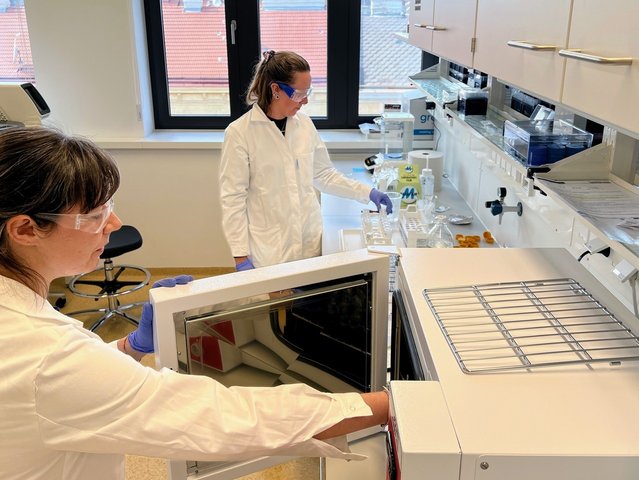
Whenever possible, agree to meet in person. For a writer, this is "gold," says Gordon. Allowing them to see your workspace—your lab, your office, the books on your shelf—provides invaluable contextual details that enrich the story. It makes you a more three-dimensional character. Furthermore, recognize that your day-to-day reality as a researcher is inherently fascinating to outsiders. Don't underestimate how mysterious and compelling the world of science appears to those who haven't engaged with it since school. By being accessible, open, and visually present, you give the writer the tools to craft a truly resonant story.

Ultimately, wowing a popular science writer is less about performing expertise and more about practicing empathetic communication and collaborative storytelling. By translating your work into clear language, sharing authentic personal insights, and respecting the writer's craft, you transform from a mere source of information into an indispensable partner. This collaboration ensures your research is not only reported but is understood, remembered, and appreciated by the public it ultimately aims to serve.