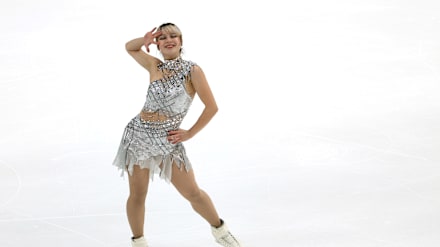
The Viral Coach: How Benoît Richaud Manages 16 Figure Skaters at the 2026 Winter Olympics
French figure skating choreographer Benoît Richaud has become an unexpected viral sensation at the 2026 Milano Cortina Winter Games, not for his athletic prowess but for coaching 16 Olympians from 13 different countries. His distinctive practice of changing team jackets between performances has captured global attention, highlighting the unique challenges and emotional complexities of managing such a diverse international roster. This article explores Richaud's coaching methodology, the logistical planning required for his unprecedented role, and how his newfound fame is bringing renewed attention to the sport of figure skating on the world stage.
At the 2026 Milano Cortina Winter Olympic Games, one of the most visible figures isn't a medal-winning athlete but a French choreographer who has captured global attention through an unexpected viral phenomenon. Benoît Richaud, coaching 16 figure skaters from 13 different countries, has become an internet sensation for his distinctive practice of changing team jackets between performances, creating a visual representation of his unique coaching role that transcends national boundaries.
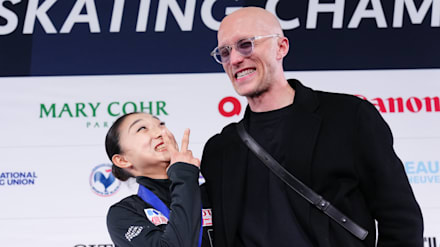
Richaud's omnipresence around the Olympic ice rinks became noticeable just days into the Games as viewers recognized the same slender, bald man sitting beside different skaters during their "kiss and cry" moments. His stoic, thoughtful expression remained constant, but the jacket he wore changed with each athlete he supported—a visual cue that quickly went viral across social media platforms. This unexpected fame has brought unprecedented attention to the behind-the-scenes world of Olympic coaching and the complex logistics of managing multiple elite athletes simultaneously.
The Logistics of Coaching 16 Olympians
Managing such an extensive roster of elite athletes requires meticulous planning and strategic organization. Richaud explains that much of his choreography work must be completed after the World Championships, typically held in March, creating what he calls a "big window" from April through July to develop new programs. This preparatory period is crucial for establishing the foundation upon which he builds each skater's Olympic performance.
The geographical distribution of his athletes adds another layer of complexity to his coaching responsibilities. Some skaters travel to work directly with Richaud, while he travels internationally to meet others. Modern technology has become an essential tool in this process, allowing for remote collaboration and program adjustments. "It is very useful because today, with the phone and new technologies, we can do much more and do it much faster," Richaud tells WIRED Italia. "I get almost all of my skaters' programs every day, and this helps me understand what I need to improve to make the program more effective."

Emotional Management and Competitive Balance
Beyond the logistical challenges, Richaud faces significant emotional demands in coaching so many competitors simultaneously. He must navigate the roller coaster of watching multiple performances and awaiting scores, experiencing what he describes as "waves of very strong emotions" that come in rapid succession. This emotional management requires psychological resilience and professional detachment while maintaining genuine investment in each athlete's success.
Richaud recounts specific emotional experiences from these Olympics: "I had a skater who was third and then ended up off the podium. On the other side, I had another skater, a Canadian, who came here for his first Olympics. He had never even skated at Worlds and he finished fifth, less than a point off the podium." Despite these emotional extremes, Richaud maintains that he doesn't have favorites among his athletes, giving each one 100 percent of his attention and expertise. He explains that the balance of emotions—being happy for some while disappointed for others—helps maintain his professional equilibrium.
The Viral Phenomenon and Its Impact
Richaud's unexpected viral fame began with social media users noticing his constant jacket changes and sharing videos across platforms. "I saw the first [video] and thought, 'Ah, funny.' Then two, then three, then four," he recalls. "Often they don't even mention me, but they come to me because people send them, literally from all over the world." This organic spread of his image has created what he describes as "a good and fun feeling" that he's happy to experience for the sport of figure skating.
Despite being among the most sought-after coaches in figure skating, Richaud remained relatively unknown to the general public before these Olympics. His newfound visibility has provided an opportunity to bring more attention to a sport he calls "one of the most beautiful in the world." He argues that figure skating isn't as popular on social media as it could be, and his viral moment represents a chance to increase its visibility and appreciation among broader audiences.
Professional Implications and Future Considerations
Richaud's unique position raises interesting questions about the future of Olympic coaching and international collaboration in sports. His ability to work effectively with athletes from diverse cultural backgrounds and competitive traditions demonstrates the potential for more transnational coaching relationships in future Games. This approach challenges traditional national team structures while highlighting the universal aspects of athletic excellence and artistic expression in figure skating.
The attention generated by Richaud's viral moment may influence how coaches and athletes approach visibility and personal branding during major sporting events. His experience shows that compelling personal narratives can emerge from unexpected places within the Olympic ecosystem, creating opportunities for increased engagement with sports that might otherwise receive less mainstream attention between Olympic cycles.
As the 2026 Winter Games continue, Richaud's story serves as a reminder of the human elements that make the Olympics compelling beyond medal counts and record-breaking performances. His dedication to multiple athletes, emotional investment in their journeys, and unexpected rise to internet fame collectively represent the multifaceted nature of Olympic participation—where coaches, officials, and support staff contribute significantly to the athlete experience and spectator engagement.