Read on France 24
IPC Reinstates Russian and Belarusian Flags for 2026 Paralympics, Sparking Ukrainian Outrage
The International Paralympic Committee has confirmed to AFP that athletes from Russia and Belarus will be permitted to compete under their national flags at the 2026 Milan-Cortina Paralympic Games. This decision marks a significant policy reversal and has drawn immediate condemnation from Ukrainian officials, with the President of the Ukrainian Paralympic Committee expressing profound anger. The move reignites debate over the role of international sports bodies in geopolitical conflicts and the principle of neutrality versus solidarity.
The International Paralympic Committee (IPC) has confirmed a major shift in policy, announcing that athletes from Russia and Belarus will be allowed to compete under their own national flags at the upcoming 2026 Paralympic Games in Milan-Cortina. This decision, reported by AFP and France 24, reverses previous restrictions imposed following Russia's invasion of Ukraine and has immediately sparked a fierce backlash from Ukrainian sporting authorities.
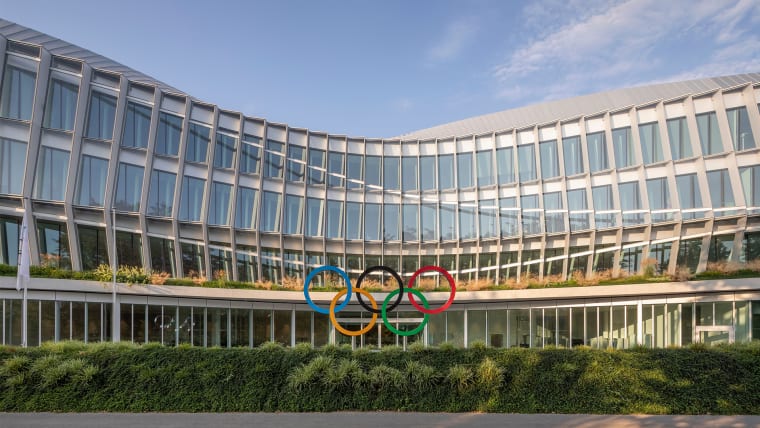
The IPC's Decision and Its Context
The IPC's confirmation to AFP on Tuesday, February 17, 2026, signifies a return to normalcy for Russian and Belarusian Paralympic delegations, at least in terms of representation. Athletes from these nations had been competing as neutrals under the Paralympic flag and the designation "Neutral Paralympic Athletes" (NPA) since the onset of the war in Ukraine. The reinstatement of their national symbols—flags, anthems, and colors—is a highly symbolic gesture that the IPC likely frames as a step toward reintegrating these athletes fully into the Paralympic movement based on evolving conditions or adherence to participation criteria.
Ukrainian Reaction and Condemnation
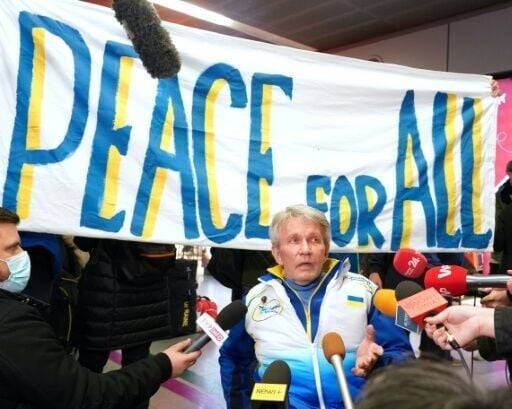
The decision has been met with unequivocal condemnation from Ukraine. Valeriy Sushkevych, President of the Ukrainian Paralympic Committee, provided a stark and emotional response to the news. In a statement covered by France 24, Sushkevych declared, "I am very, very angry and outraged by the decision to allow six Russian athletes to compete under their national flag." His outrage underscores the deep wounds the conflict has inflicted and the perception that allowing national representation legitimizes the sporting structures of nations engaged in aggression.
Broader Implications for Sports and Geopolitics
This development places the IPC at the center of the ongoing debate about the intersection of sports and global politics. Sports governing bodies like the IPC and the International Olympic Committee (IOC) continually grapple with balancing the principle of athletic inclusivity against taking a moral or political stance. The IPC's move may signal a belief that the conditions which necessitated the neutral status have changed, or it may reflect internal pressure to separate sports from politics entirely. However, for nations and athletes directly impacted by conflict, such a separation is often viewed as impossible and unjust. The decision sets a precedent that will be closely watched by other international federations and could influence the approach to the 2026 Winter Olympics, which will be held in the same Milan-Cortina cluster.
Looking Ahead to Milan-Cortina 2026
As the 2026 Paralympics approach, the atmosphere in Milan-Cortina will now be charged with this additional political tension. The presence of Russian and Belarusian teams under their national flags will be a visible and potentially contentious element of the Games. It raises practical questions about security, protocol, and the potential for protests or boycotts. The IPC will need to navigate these choppy waters carefully to ensure the focus remains on athletic achievement while managing the inevitable geopolitical fallout from its landmark decision.
The IPC's reinstatement of Russian and Belarusian national symbols at the Paralympics is more than a procedural update; it is a politically potent decision that has reopened debates about neutrality, solidarity, and the purpose of international sport. With Ukrainian officials expressing profound anger, the path to the 2026 Games now includes a significant diplomatic hurdle. The world will be watching to see how this decision plays out on the global stage and what it means for the future of the Paralympic movement in a fractured world.