Ancient Microbes May Have Used Oxygen 500 Million Years Before the Great Oxidation Event
New research from MIT suggests life on Earth may have adapted to use oxygen hundreds of millions of years earlier than previously believed. By tracing the evolutionary history of a key oxygen-processing enzyme, scientists have found evidence that certain microbes evolved the ability for aerobic respiration during the Mesoarchean era, long before oxygen permanently accumulated in the atmosphere during the Great Oxidation Event. This discovery could explain why oxygen took so long to build up in Earth's early atmosphere and reveals the remarkable adaptability of early life forms.
For decades, scientists have understood that the Great Oxidation Event (GOE) around 2.3 billion years ago marked a pivotal moment when oxygen became a permanent fixture in Earth's atmosphere, paving the way for complex aerobic life. However, new research from MIT is challenging this timeline, suggesting that life may have been breathing oxygen far earlier than the geological record indicates. This discovery not only rewrites our understanding of early Earth's biochemistry but also offers a compelling explanation for one of planetary science's enduring mysteries: why did it take so long for atmospheric oxygen to accumulate?

The Great Oxygenation Mystery
The conventional narrative of Earth's oxygenation presents a puzzling gap. Geological evidence indicates that cyanobacteria—the first known oxygen-producing organisms—evolved around 2.9 billion years ago. These photosynthetic microbes began releasing oxygen as a byproduct of their metabolic processes. Yet, oxygen didn't become a stable component of the atmosphere until approximately 2.3 billion years ago during the GOE. This leaves a 600-million-year period during which oxygen was being produced but not accumulating in significant atmospheric quantities.
Researchers have traditionally attributed this delay to chemical reactions between oxygen and minerals in rocks, particularly iron, which would have effectively "scrubbed" the gas from the environment. While this geological sink certainly played a role, the new MIT study published in Palaeogeography, Palaeoclimatology, Palaeoecology suggests a biological factor may have been equally important: early life itself may have been consuming the oxygen as quickly as it was produced.
Tracing the Enzyme of Aerobic Life
To investigate this possibility, the MIT research team focused on a specific class of enzymes called heme copper oxygen reductases. These biological catalysts are essential for aerobic respiration—the process by which organisms convert oxygen into usable energy. Found in most oxygen-breathing life today, from bacteria to humans, these enzymes represent the molecular machinery that makes oxygen consumption possible.
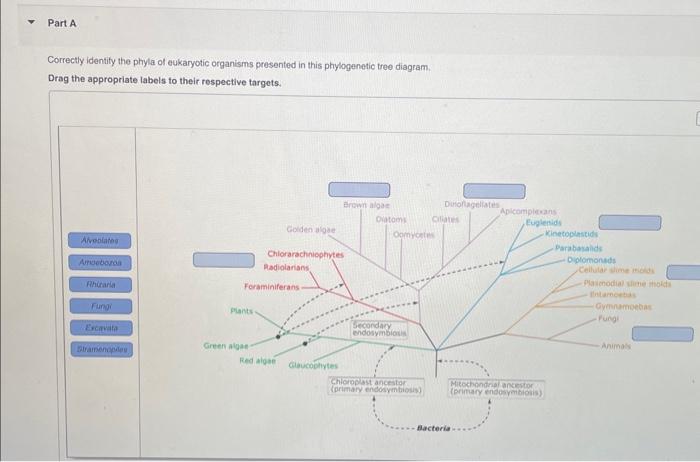
The researchers, led by postdoctoral researcher Fatima Husain and associate professor Gregory Fournier, employed sophisticated molecular clock techniques to determine when these enzymes first evolved. By analyzing genetic sequences from thousands of modern species and mapping them onto an evolutionary tree of life, they could estimate when different branches of this enzyme family emerged. Their findings pointed to a surprising origin: the Mesoarchean era, approximately 3.2 to 2.8 billion years ago—hundreds of millions of years before the GOE.
A New Narrative for Early Earth
This discovery suggests a revised timeline for the development of aerobic respiration. Shortly after cyanobacteria evolved the ability to produce oxygen through photosynthesis, other microorganisms living in proximity likely evolved the enzymatic tools to utilize this new resource. Rather than being a toxic byproduct to be avoided, oxygen became a valuable energy source for these pioneering microbes.
"This does dramatically change the story of aerobic respiration," explains Husain. "Our study adds to this very recently emerging story that life may have used oxygen much earlier than previously thought. It shows us how incredibly innovative life is at all periods in Earth's history." The research indicates that these early aerobic organisms may have acted as a biological sink, consuming oxygen as it was produced and thereby slowing its accumulation in the atmosphere for hundreds of millions of years.
Implications for Understanding Earth's History
The MIT findings help resolve several longstanding questions about Earth's early development. First, they provide a biological mechanism to complement the geological explanations for the delayed rise of atmospheric oxygen. While chemical reactions with rocks certainly removed some oxygen, living organisms may have been equally effective at consuming the gas before it could accumulate.
Second, this research highlights the remarkable adaptability of early life. The rapid evolution of oxygen-processing enzymes demonstrates that microbial communities were capable of significant innovation in response to changing environmental conditions. This adaptability may have been crucial for survival during Earth's early, volatile history.
Finally, the study offers insights into the conditions that eventually led to the GOE. The researchers suggest that oxygen began accumulating permanently in the atmosphere only when production by cyanobacteria finally outpaced both geological and biological consumption mechanisms. This tipping point fundamentally transformed Earth's chemistry and created the conditions necessary for the evolution of complex, multicellular life.

Conclusion: Rewriting the History of Life and Oxygen
The MIT research represents a significant advancement in our understanding of Earth's early biosphere. By demonstrating that aerobic respiration likely evolved hundreds of millions of years earlier than previously believed, scientists are gaining a more nuanced picture of how life and the environment co-evolved during our planet's formative years. This discovery underscores the dynamic relationship between biological innovation and planetary change—a relationship that continues to shape Earth's history to this day.
As research in this field continues, scientists hope to uncover more details about these early oxygen-using microbes and their role in shaping Earth's atmosphere. The puzzle pieces of Earth's oxygenation are gradually fitting together, revealing a story of remarkable biological creativity and environmental transformation that ultimately made our oxygen-rich world possible.