Read on nature.com
The Global Crisis in Science Journalism: How Funding Cuts Are Silencing Critical Reporting
Science journalism worldwide is facing an existential threat as major funding sources, particularly from the United States, are being slashed. The closure of USAID and subsequent cuts to international development budgets have created a domino effect, drying up grants that enable in-depth investigative reporting on critical issues like climate change, biodiversity loss, and public health. This funding crisis is occurring precisely when accurate science reporting is most needed to combat misinformation and hold power accountable, leaving journalists in low- and middle-income countries without resources to investigate environmental crimes and scientific developments.
Science journalism stands at a critical crossroads, facing unprecedented financial pressures that threaten its very existence. As governments and philanthropic organizations pull back funding, the ability of journalists to investigate complex scientific issues, expose environmental crimes, and communicate vital research to the public is being systematically dismantled. This crisis comes at a time when accurate scientific information is more crucial than ever to combat misinformation and inform global policy decisions.
The Funding Collapse
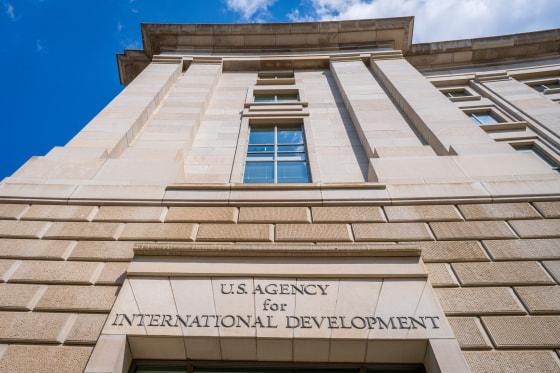
The most significant blow to science journalism has come from the United States, where the closure of the United States Agency for International Development (USAID) in July 2025 has created a funding vacuum that extends globally. USAID was the world's largest spender on international development and a significant funder of science-based investigative journalism. Its dismantling has had secondary effects throughout the funding ecosystem, as philanthropic foundations and intermediaries that previously supplemented government funding are now being asked to fill multiple funding gaps simultaneously.
According to data from Media Impact Funders, philanthropic grants for journalism containing the keywords science, health, and environment had already fallen from $86.5 million in 2021 to $63 million in 2023, even before the USAID freeze. This decline reflects a broader trend of foundations prioritizing direct scientific research over journalism about science. As Meaghan Parker, executive director of the Council for the Advancement of Science Writing, explains, "This is the priority order of most of these foundations: science first. Journalism is falling down the list."
Impact on Investigative Reporting
The consequences of these funding cuts are already visible in the field, where critical investigative work is being abandoned. Fredrick Mugira, co-founder of InfoNile, a journalism network focusing on cross-border investigations in the Nile Basin, describes the situation starkly: "We used to do stories around biodiversity loss, so we would fund journalists to go deep into rainforests in Congo, into parts of Rwanda, but now we have no money. You don't get stories about logging, about who is cutting the trees."
This represents a significant loss for environmental accountability. InfoNile's budget fell from approximately $300,000 in 2024 to less than $230,000 for 2025, forcing the organization to cancel projects and reduce its investigative capacity. The organization's parent group, Water Journalists Africa, which connects investigative journalists from about 50 African countries with scientists and activists, has seen its international support drop from four organizations to just one.
Global Reach of the Crisis
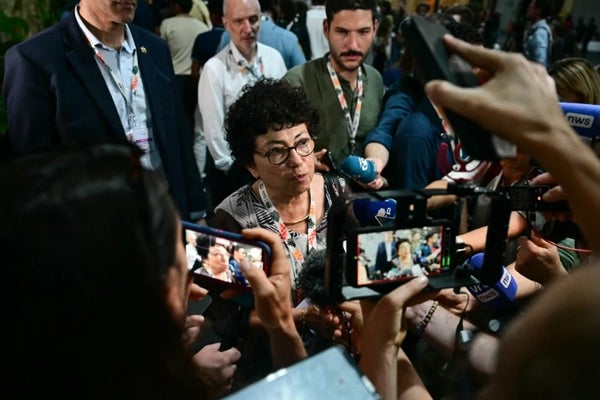
The funding crisis extends beyond Africa, affecting science journalism organizations worldwide. Internews, a media non-profit organization headquartered in Arcata, California, that supports independent media outlets in more than 100 nations, reported losing 95% of its $126 million allocation of US government funding. Its environmental reporting arm, the Earth Journalism Network, which provides grants enabling journalists from low- and middle-income countries to attend United Nations climate talks, has seen its budget reduced by between one-quarter and one-third from its 2024 level of around $9 million.
James Fahn, the network's executive director, notes that "we had five or six grants from the US federal government, both from USAID and the State Department, at the beginning of the year — they were all halted in January and then terminated later." Similarly, Climate Tracker, based in the Philippines and Chile, reported being able to fund only some journalists from Latin America to attend last year's COP due to funding constraints.

The Misinformation Challenge
This funding crisis arrives at precisely the moment when science journalism is most needed to combat a rising global tide of disinformation and misinformation. Marius Dragomir, director of the Media and Journalism Research Center in Tallinn, describes the funding threats as "a disaster," adding that "if you look at the geopolitical situation today, I think science is critical." He emphasizes the need for balanced reporting of science-related topics but notes that "a lot of that coverage is disappearing" when it's needed most.
The situation creates a dangerous vacuum where misinformation can flourish unchecked. Cayley Clifford, deputy chief editor of Africa Check, a fact-checking organization in Johannesburg, South Africa, warns that "options for traditional revenue streams are limited, and philanthropic support, which has long helped sustain our work, continues to decline. Ensuring this does not affect the scope of the work we're able to take on is a top priority for the next few months."
Looking Forward
The future of science journalism depends on developing new funding models and convincing both public and private sectors of its essential value. As traditional grant sources disappear, organizations must explore alternative revenue streams while advocating for the critical role science journalism plays in democratic societies. The ability to hold power accountable, expose environmental crimes, and communicate complex scientific developments to the public depends on maintaining a robust, well-funded science journalism ecosystem.
Without immediate intervention and renewed commitment to funding science journalism, the world risks losing one of its most important tools for scientific accountability and public understanding. The stories that go untold—about deforestation, climate impacts, public health crises, and scientific breakthroughs—represent not just lost journalism but lost opportunities for informed public discourse and evidence-based policy making.