Read on the Guardian
How an Undercover Operation Foiled a Devastating Terror Plot Against Manchester's Jewish Community
In February 2026, a chilling terrorist plot targeting Greater Manchester's Jewish community was revealed in court. Two Islamic State supporters, Walid Saadaoui and Amar Hussein, were sentenced to life imprisonment for planning what could have been one of the UK's deadliest attacks. Their plan was meticulously thwarted by an undercover police officer who infiltrated their cell, posing as a fellow extremist. This article examines the details of the plot, the undercover operation that prevented it, and the profound impact on one of the world's largest Jewish communities.
In a stark reminder of the persistent threat of terrorism, a British court in February 2026 sentenced two men to life imprisonment for plotting a devastating attack against the Jewish community in Greater Manchester. The plot, orchestrated by Islamic State (IS) supporters Walid Saadaoui and Amar Hussein, was foiled by a sophisticated undercover police operation, preventing what authorities described as a potential massacre. This case highlights the evolving nature of domestic terrorism, the critical role of covert policing, and the ongoing security challenges faced by minority communities in the UK.

The Plot and Its Architects
The central figures in this foiled attack were Walid Saadaoui, 38, and Amar Hussein, 52. Saadaoui, a Tunisian national who had moved to the UK and married a British woman, presented a public facade far removed from extremism. He had previously worked as a holiday entertainer in Tunisia and later became a restaurateur and bird enthusiast in Britain. However, as reported by The Guardian's community affairs correspondent Chris Osuh, Saadaoui had secretly pledged allegiance to Islamic State. Alongside Amar Hussein, he meticulously planned an assault specifically targeting Jewish locations in Manchester, home to one of the largest Jewish communities outside of Israel and the United States.
The Undercover Sting Operation
The critical turning point in this investigation was the infiltration of the terror cell by an undercover police officer, known only by the codename 'Farouk'. Posing as a fellow IS supporter, 'Farouk' gained the trust of Saadaoui and Hussein, embedding himself deeply within their planning. This allowed security services to monitor the plot in real-time, gather incontrovertible evidence, and ultimately intervene before any attack could be launched. The success of this operation underscores the precision and risk involved in modern counter-terrorism tactics, where gathering intelligence from within a cell is paramount to prevention.
Legal Repercussions and Community Impact
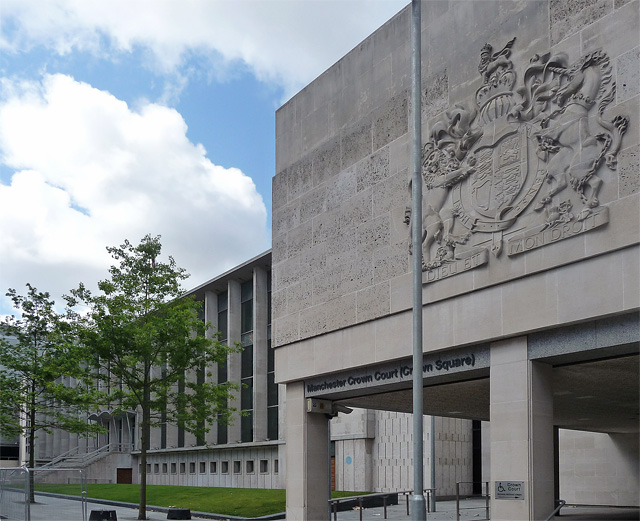
On Friday, February 2026, Saadaoui and Hussein were sentenced to life imprisonment. A third individual, Bilel Saadaoui (Walid's younger brother), received a six-year prison sentence for failing to disclose information about the terrorist plan. The sentencing brought a formal end to the legal process but marked the beginning of a prolonged period of reflection and heightened anxiety for Manchester's Jewish community. The revelation of a plot specifically designed to cause mass casualties within their community has had a profound psychological impact, raising urgent questions about security, community relations, and the persistent scourge of antisemitism.
Analysis: A Prevented Tragedy and Ongoing Vigilance
This foiled plot serves as a potent case study in both the capabilities of UK counter-terrorism forces and the enduring nature of the threat. The undercover operation, as detailed in coverage by The Guardian, demonstrates a proactive and intelligence-led approach to security. However, it also exposes how individuals can lead double lives, concealing extremist ideologies behind seemingly ordinary facades. For the Jewish community and security officials alike, the incident reinforces the necessity of constant vigilance, robust community-police partnerships, and continued efforts to combat the extremist ideologies that fuel such hatred.

The successful disruption of the Manchester plot is a testament to the effectiveness of covert policing and intelligence work. Yet, it also stands as a sobering reminder that the ideologies driving such violence remain active. Protecting communities requires not only sophisticated security operations but also a sustained societal commitment to countering hateful rhetoric and fostering cohesion. As the UK continues to navigate complex security landscapes, the lessons from this undercover sting will undoubtedly inform future strategies to safeguard all citizens from the threat of terrorism.