Read on bbc.com
Ukraine's Fertility Preservation Law: A Demographic Defense Strategy Amid War
In response to a deepening demographic crisis exacerbated by Russia's full-scale invasion, Ukraine has implemented a state-funded program allowing military personnel to freeze their sperm or eggs for free. This initiative aims to preserve the nation's genetic future as soldiers face high mortality rates and stress-related fertility issues. The law, amended after initial controversy, now permits partners to use preserved genetic material posthumously with consent. While uptake is currently modest, proponents see it as a crucial step in addressing population decline, psychological trauma from war, and the delayed life decisions of millions of Ukrainians.
Facing what officials describe as a demographic catastrophe, Ukraine has enacted a novel and poignant defense strategy that extends beyond the battlefield: state-funded fertility preservation for its military personnel. As the population plummets due to war casualties and mass displacement, a new law provides troops with the opportunity to freeze their sperm or eggs at no cost. This program represents a direct response to the existential threat posed by Russia's full-scale invasion, aiming to safeguard the nation's genetic future even as its present defenders face mortal danger.
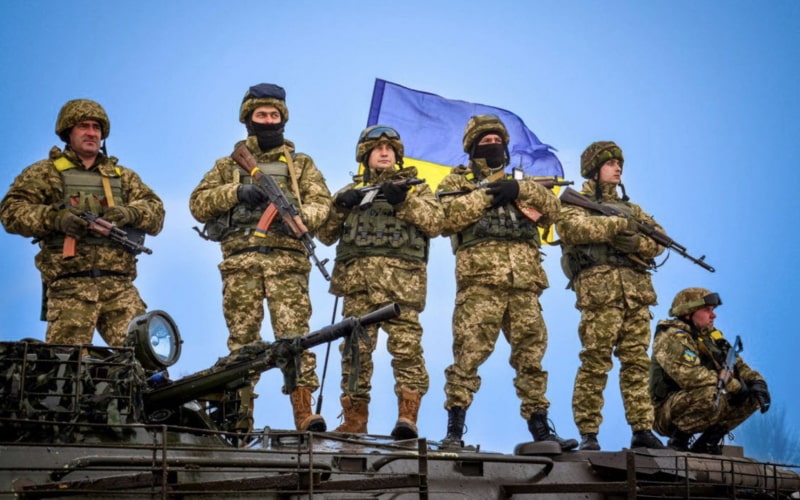
The initiative, formally regulated by parliament in 2023, emerged from private clinic offerings that began spontaneously at the war's onset. Its fundamental premise is both practical and symbolic: soldiers defending Ukraine's sovereignty may lose their own chance at biological parenthood due to injury, death, or the severe psychological and physiological stress of combat. By preserving their genetic material, the state offers a form of future security for individuals and, collectively, for a nation confronting staggering population loss.
The Legislative Framework and Its Evolution
The fertility preservation law underwent significant revision following public outcry over its initial provisions. Originally, the legislation mandated the destruction of all frozen samples upon a donor's death. This clause came under intense scrutiny when a war widow, Katerina Malyshko, was blocked from using her deceased husband's sperm to attempt conception. Her husband, Vitaly, was killed by a Russian guided bomb after the couple had created embryos at a fertility clinic, highlighting the heartbreaking intersection of personal tragedy and bureaucratic limitation.

In response to such cases, lawmakers amended the legislation. The current version preserves soldiers' genetic material for up to three years after death, making it available to partners with prior written consent. MP Oksana Dmitrieva, who helped draft the law, explains the rationale: "Our soldiers are defending our future, but may lose their own, so we wanted to give them that chance. It's to support them, so they can use their sperm later." This legal adjustment acknowledges the complex realities of war, where death often comes suddenly, leaving families to navigate grief and practical decisions about legacy.
Addressing a Pre-Existing Demographic Crisis
Ukraine's fertility initiative cannot be separated from its broader demographic challenges, which predate the 2022 invasion but have been dramatically accelerated by it. The country was already experiencing population decline due to low birth rates and emigration. The war has compounded this crisis through two primary channels: the loss of thousands of young, fit military personnel and the displacement of millions of refugees, predominantly women and children, who remain abroad due to ongoing instability.
MP Dmitrieva frames the program as "one tiny step to improve the demographic situation," emphasizing the need to replace lost generations. The scale of the challenge is immense. Beyond battlefield casualties, the war has created conditions that suppress family formation. Constant missile threats, power grid attacks leaving buildings without heat, and the psychological toll of sustained conflict have led to what medical professionals term "delayed life syndrome"—the postponement of major decisions like marriage and childbirth.
Implementation Challenges and Soldier Perspectives
Despite its potential, the program faces practical and cultural hurdles. The state-run Centre for Reproductive Medicine in Kyiv, which began accepting soldiers in January, reports only about a dozen participants so far. Director Oksana Holikova remains optimistic, stating, "We expect big demand. We have high hopes," anticipating increased uptake as awareness grows. The clinic itself reflects the war's hidden strains: a significant drop in pregnant patients and widespread use of antidepressants among those seeking treatment.
For soldiers like Maxim, a 35-year-old serving with Ukraine's National Guard, the program offers crucial peace of mind. Speaking from near the eastern frontline, he explains his decision to freeze sperm: "Whether you are right on the 'zero point' of the frontline, or 30 or even 80 kilometres back, there is no guarantee that you're safe. That means stress, and this [can have] an impact: your reproductive ability declines. So we have to think about the future and the future of our Ukrainian nation." He advocates for normalizing these conversations within the military, suggesting fertility preservation could become a standard procedure during mobilization, akin to providing DNA samples for identification.
Psychological and Social Dimensions
The program intersects deeply with the war's psychological trauma. Clinic director Holikova reports that approximately 60% of her patients are on antidepressants, with many experiencing panic attacks triggered by air raid sirens and explosions. For men specifically, the stress of combat can manifest as sexual dysfunction and fertility problems, issues that remain stigmatized and rarely discussed. Maxim acknowledges this reticence: "Men are secretive, but there are lots of psychological problems."
This cultural barrier presents a significant challenge to the program's success. MP Dmitrieva describes her frontline visits where she encourages soldiers to discuss fertility: "At first they're really embarrassed, but we talk and I tell them to tell others, and then they come and they do it." The need for broader education and destigmatization is clear, as the program's benefits extend beyond individual families to national recovery.
Conclusion: Preserving Future Generations
Ukraine's fertility preservation law represents a profound acknowledgment of war's long-term consequences. It moves beyond immediate military defense to consider how a nation rebuilds and sustains itself demographically after conflict. For grieving widows like Katerina Malyshko, who fought through courts for the right to use her husband's genetic material, it offers a tangible connection to lost loved ones and the potential for new life. As she reflects, "I think the children of our soldiers who've been killed should have a chance to live: they have the right to live in the country their parents died for."
The program, while currently small-scale, symbolizes a commitment to Ukraine's future sovereignty in its most fundamental form—its people. As the war continues with no clear end in sight, such measures to protect genetic heritage and support family formation amidst chaos may prove vital for national resilience and post-war recovery. The success of this initiative will depend not only on legislative refinement and clinical capacity but on changing cultural conversations around fertility, trauma, and sacrifice in a nation under siege.