Read on PBS News
The NORAD Santa Tracker: A 70-Year Tradition Born from a Cold War Mistake
For seven decades, the North American Aerospace Defense Command (NORAD) has tracked Santa Claus's Christmas Eve journey, a beloved tradition that began with a child's misdialed phone call in 1955. What started as a playful response by a duty officer in a high-stakes Cold War command center has evolved into a global operation involving thousands of volunteers and advanced military technology. This article explores the origins, evolution, and enduring magic of this unique holiday program.
Each Christmas Eve, millions of children and families worldwide turn their eyes to the skies, not just in hopeful anticipation, but with the aid of sophisticated military tracking systems. The North American Aerospace Defense Command (NORAD), a joint U.S.-Canadian operation responsible for monitoring aerospace threats, dedicates its formidable resources to a singular, peaceful mission: tracking the global journey of Santa Claus. This 70-year tradition, a heartwarming counterpoint to NORAD's serious defense duties, has an origin story as charming as it is accidental, rooted in the tense atmosphere of the Cold War.

The Accidental Beginning: A Misprint and a Colonel's Kindness
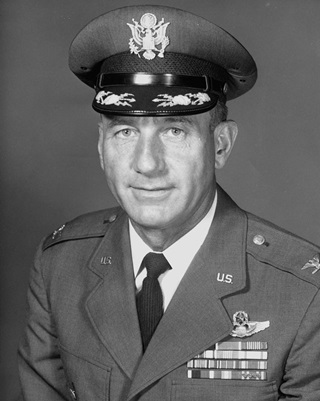
The tradition was born in 1955, a period defined by geopolitical tension. NORAD's predecessor, the Continental Air Defense Command (CONAD), was vigilantly on the lookout for any sign of a possible nuclear attack from the then-Soviet Union. According to NORAD's official account, a child mistakenly called the top-secret combat operations center hotline—a line dedicated to alerting generals in case of an attack—and asked to speak to Santa Claus. The commander on duty, Air Force Col. Harry Shoup, faced a choice: dismiss the call or embrace the spirit of the season. He chose the latter.
Col. Shoup, displaying quick wit and holiday cheer, reportedly told the child, "Ho, ho, ho, I am Santa." He then instructed his perplexed staff to play along and begin providing Santa's location to any subsequent callers. The misdial is widely believed to have stemmed from a misprinted telephone number in a Sears department store advertisement in a Colorado Springs newspaper that encouraged children to call Santa. By December 23, 1955, The Associated Press had already reported that CONAD was officially "tracking" Santa, cementing the tradition's public debut.
Evolution of a Modern Holiday Operation
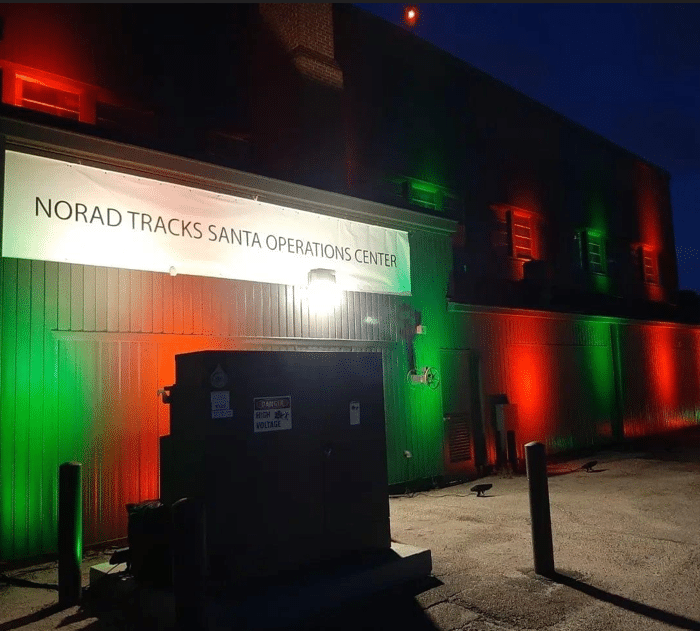
From that single mistaken call, the program has grown into a massive, technologically advanced annual event. CONAD soon evolved into the North American Aerospace Defense Command (NORAD), which continued the tradition from its hardened headquarters inside Cheyenne Mountain. Today, the operation is run from a hangar at Peterson Space Force Base in Colorado Springs, festooned with Christmas decorations and buzzing with holiday spirit.
On Christmas Eve, more than 1,000 volunteers answer calls from around the globe on the dedicated hotline, 1-877-HI-NORAD. In recent years, the program has expanded its digital footprint, allowing people to follow Santa's journey online in nine languages, including English and Japanese. This digital expansion makes the tracker more accessible to an international audience. The operation runs from 4 a.m. to midnight Mountain Standard Time, handling hundreds of thousands of inquiries. Last year alone, the center received approximately 380,000 calls.
The Technology Behind the Magic
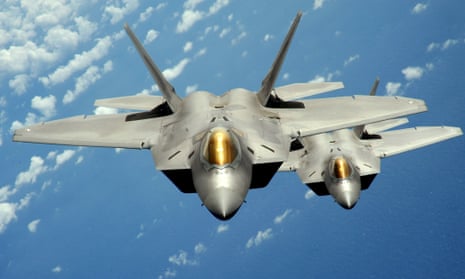
The charm of NORAD Tracks Santa lies in its playful application of serious military technology. Officials humorously explain that the same combination of radar, satellites, and fighter jets used to monitor North American airspace for threats is repurposed to follow Santa's sleigh. According to NORAD spokesperson Col. Kelly Frushour, Rudolph the Red-Nosed Reindeer's famous nose gives off an infrared heat signature similar to a missile, which is easily picked up by NORAD's satellite network.
Tracking begins once Santa crosses the International Date Line over the Pacific Ocean. NORAD's system provides regular updates on his location, speed, and next destination. The program even includes a playful escort of fighter jets as Santa enters North American airspace, adding to the immersive experience for callers.
Creating Lasting Memories and Reassurance
The volunteers and staff who run the hotline understand they are handling more than just inquiries; they are managing childhood wonder and sometimes childhood anxiety. Stories from the call center highlight this unique role. One volunteer recalled reassuring a girl who was worried Santa was trapped at the International Space Station after hearing he was headed there. Another staffer, Michelle Martin, described a yearly caller named Henry, a man with special needs, who once asked if the jet pilot escorting Santa could deliver a note confirming he was in bed and ready. Martin creatively explained that Santa travels "faster than starlight," and the pilots could only wave as he passed.
The tradition has also attracted high-profile participants, including sitting U.S. Presidents who take calls, further legitimizing the fun for young believers. It represents a unique intersection of national security infrastructure and public service, fostering goodwill and holiday spirit on a global scale.
A Legacy of Joy and Goodwill
What began as a colonel's spontaneous decision to not disappoint a child has blossomed into one of the world's most enduring and beloved Christmas traditions. NORAD Tracks Santa transcends its military origins to become a universal symbol of holiday magic and generosity. It demonstrates how institutions can engage with the public in positive, heartwarming ways. For 70 years, this program has turned advanced defense technology into a tool for spreading joy, answering the hopeful questions of children, and preserving the wonder of Christmas Eve for generations. It stands as a testament to the power of a simple, kind response to an unexpected situation, creating a legacy that continues to enchant the world each December.