The El Paso Drone Incident: A Wake-Up Call for Urban Anti-Drone Defense
A recent airspace shutdown over El Paso, Texas, and parts of New Mexico, triggered by fears of drug cartel drones and the deployment of a military-grade anti-drone laser, has exposed critical vulnerabilities in U.S. urban air defense protocols. This incident highlights the immense technical and safety challenges of deploying counter-drone weapons near populated areas, raising urgent questions about inter-agency communication, public safety, and the future of domestic drone defense strategies in an era of proliferating low-cost UAV technology.
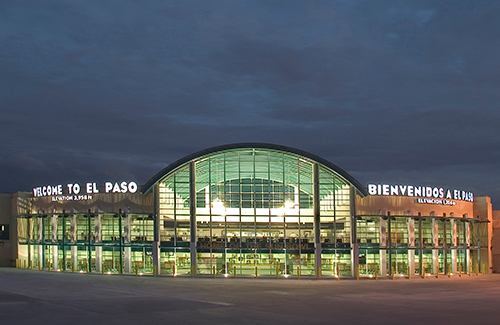
The skies over El Paso, Texas, and parts of New Mexico fell silent for eight tense hours last week, grounded by a Federal Aviation Administration (FAA) order. What began as a routine security measure spiraled into a public demonstration of the precarious balance between national defense and civilian safety in the age of drones. The incident, initially linked to concerns over Mexican drug cartel drones, ultimately revealed a deeper crisis: the fraught and dangerous reality of deploying anti-drone weapons systems in or near major metropolitan areas.

This event serves as a stark case study in the complexities of modern domestic security. As low-cost, commercially available drone technology becomes ubiquitous globally, the threat of their malicious use—from espionage and smuggling to potential attacks—has escalated from theoretical to imminent. However, the tools designed to neutralize these threats, such as jamming systems or directed energy weapons, introduce their own significant risks, particularly when activated in densely populated urban environments where civilian aviation is constant.
The Anatomy of the El Paso Airspace Shutdown
The FAA's decision to issue a Temporary Flight Restriction (TFR) was reportedly a direct response to the use of a Pentagon-provided anti-drone laser weapon by Customs and Border Protection (CBP) officials in the area. According to reports from the New York Times and other outlets, the FAA acted out of concern for the potential danger the laser posed to civilian aircraft, not necessarily from a confirmed swarm of hostile drones.
Initially set for an alarming 10-day duration, the restriction was lifted after eight hours, but not before sowing confusion and concern among pilots and the public. The Trump administration's early statements pointed to drug cartel drones as the catalyst, but the narrative shifted as details emerged about the defensive weaponry in play. CBP reportedly used the laser system to engage what was later identified as a party balloon, underscoring the challenges of accurate threat identification.
The Technology at the Heart of the Conflict
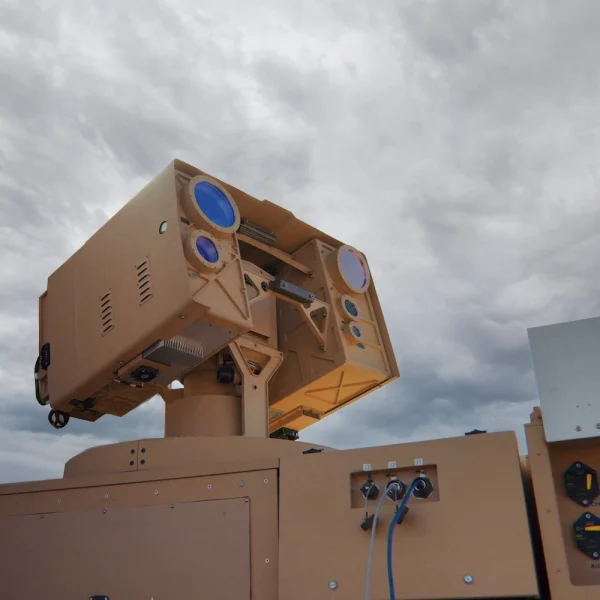
The laser tool deployed was identified as a LOCUST system, a 20-kilowatt directed energy weapon manufactured by defense contractor AeroVironment. Designed as part of the U.S. Army's Multi-Purpose High Energy Laser (AMP-HEL) prototyping project, systems like LOCUST represent the new frontier in short-range air defense—so-called "counter-small unmanned aircraft systems" (C-sUAS).
These weapons offer a potential game-changing advantage against swarms of inexpensive drones by providing a low-cost-per-shot, precision engagement option. However, their deployment is not without peril. Even relatively low-power lasers can pose severe risks to pilots, potentially causing temporary flash blindness or permanent eye damage, and the act of disabling a drone mid-flight could cause it to crash unpredictably, creating a hazard on the ground.
Systemic Challenges: Communication and Protocol
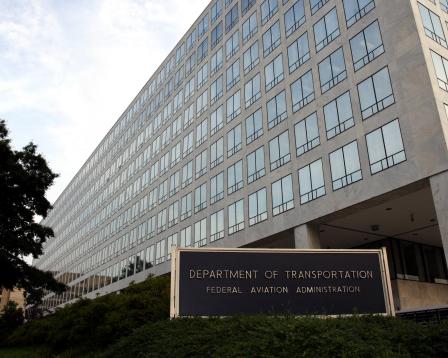
Beyond the technological hurdles, the El Paso debacle laid bare critical failures in inter-agency communication and protocol. A White House official later stated that the FAA administrator made the decision to close the airspace without notifying the White House, the Pentagon, or the Department of Homeland Security (DHS). This breakdown prompted a group of U.S. lawmakers from Texas and New Mexico to demand a classified briefing from DHS, the Department of Defense, and the Department of Transportation.
In their letter, the lawmakers explicitly called for officials "to speak to the roles they played, acknowledge where the failed communication occurred, and share the steps you are taking to ensure a future crisis of this nature will not reoccur." The incident revealed a lack of established, clear procedures for coordinating the use of military-grade defensive systems in domestic airspace shared with civilian traffic.
The Path Forward for Urban Drone Defense
The urgent need for effective drone defense is undeniable, but the El Paso incident serves as a crucial lesson in how not to implement it. Experts agree that new protocols and integrated communication frameworks are essential. These must balance the operational tempo of security agencies with the FAA's paramount mandate for civilian safety.
Potential paths forward include the development of more sophisticated, safer engagement protocols for urban areas, increased investment in non-kinetic solutions like sophisticated radio frequency takeover systems, and the establishment of real-time communication channels between defense operators and air traffic control. As one anonymous pilot involved in the incident starkly put it, "There is currently no procedure for that"—a sentiment that highlights the regulatory vacuum this technology has created.
The brief closure over El Paso is likely just the beginning. As drone technology continues to advance and proliferate, and as defensive systems become more common, the U.S. and other nations must rapidly develop a coherent, safe, and legally sound framework for protecting cities from aerial threats without grounding the economy or endangering the public. The challenge is not merely technological but profoundly organizational, requiring unprecedented cooperation between military, homeland security, and civilian aviation authorities.