Sustainability: The New Mandate at the Point of Purchase
Consumer expectations have fundamentally shifted, with product sustainability now serving as a critical evaluation criterion during shopping decisions. This article explores how this demand for transparency has moved from a niche concern to a mainstream expectation, influencing brand trust and purchasing behavior across industries. We examine the implications for businesses and the growing necessity for clear, verifiable environmental and ethical claims.
The modern consumer is no longer a passive buyer but an active evaluator. As highlighted by industry analysis, the question of how sustainable a product is "has quickly become an expectation that consumers actively evaluate at the point of purchase." This seismic shift represents a fundamental change in the marketplace, where environmental and social governance (ESG) credentials are weighed alongside price, quality, and brand reputation. This article delves into the rise of this expectation, its drivers, and the strategic imperative it creates for brands across all sectors to prioritize and communicate genuine sustainability.
The Rise of the Conscious Consumer
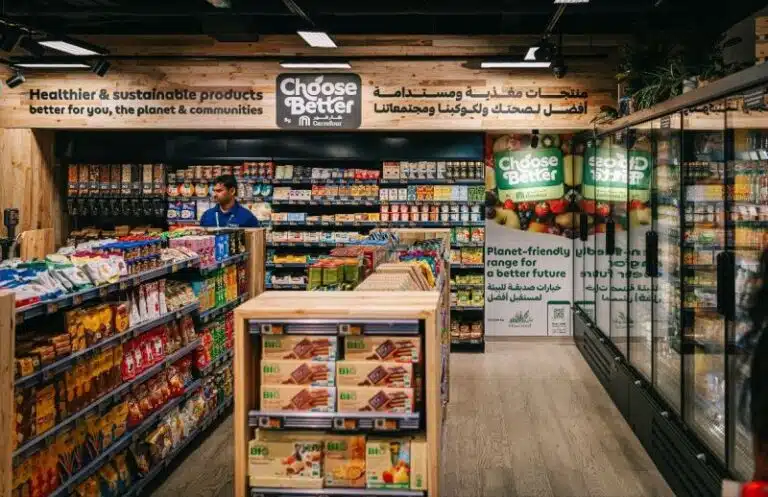
Today's marketplace is defined by a more informed and empowered consumer base. Access to information via smartphones and social media has demystified supply chains and production processes. Consumers are increasingly aware of issues like carbon footprints, water usage, fair labor practices, and material sourcing. This awareness translates directly into purchasing power, with shoppers actively seeking out brands whose values align with their own. The expectation for sustainability is no longer confined to a specific demographic; it has permeated mainstream shopping behavior, making transparency a non-negotiable element of consumer trust.
Transparency as the Cornerstone of Trust
In an era of greenwashing claims and corporate skepticism, transparency has emerged as the single most important currency for building consumer trust. When consumers evaluate sustainability at the point of purchase, they are looking for verifiable, concrete information. This goes beyond vague marketing slogans like "eco-friendly" or "green." It demands specific details: the percentage of recycled materials, the origin of raw components, the carbon emissions of logistics, and the ethical treatment of workers. Brands that provide this level of detail—through QR codes, detailed websites, or third-party certifications—are better positioned to convert consideration into a sale. The inability to access clear information, as indicated by blocked content on industry news sites discussing this very trend, ironically underscores the sensitivity and competitive importance of this data.

Strategic Implications for Businesses
This consumer-driven demand creates a clear strategic mandate. First, sustainability must be integrated into core product design and development, not treated as a peripheral marketing afterthought. This requires investment in sustainable materials, efficient manufacturing, and ethical supply chain management. Second, communication strategy must evolve. Marketing efforts need to shift from storytelling to proof-telling, leveraging hard data and credible certifications. Finally, this trend levels the playing field. Agile smaller brands with authentic sustainability stories can compete effectively against larger, less transparent incumbents. The cost of inaction is a gradual erosion of market share and brand relevance.
Navigating the Future Marketplace
The expectation for point-of-purchase sustainability evaluation is only set to intensify, driven by regulatory pressures, investor focus on ESG, and generational shifts in consumer values. Forward-thinking companies will view this not as a compliance burden but as a powerful opportunity for innovation, differentiation, and deeper customer loyalty. The brands that will thrive are those that build transparency into their operational DNA and communicate their journey with honesty and clarity, thereby meeting the modern consumer right where the decision is made: at the digital or physical shelf.