Palestinian Journalist Bisan Owda Regains Access to TikTok Account
Palestinian journalist Bisan Owda, widely recognized for documenting daily life in Gaza through her social media videos, has announced the restoration of her TikTok account. The account was reportedly deleted days after the platform underwent an ownership change involving new US-based investors. Owda's work has been a crucial source of on-the-ground reporting from Gaza, making her account's accessibility a significant issue for digital free speech and wartime journalism.
In a significant development for digital journalism and free speech, Palestinian journalist Bisan Owda has confirmed the restoration of her TikTok account. Owda, who has garnered a substantial following for her firsthand video reports from Gaza, announced the news in a video posted on Wednesday. This resolution comes after her account was unexpectedly deleted, an event that coincided with a major ownership transition of the TikTok platform to new investors in the United States.
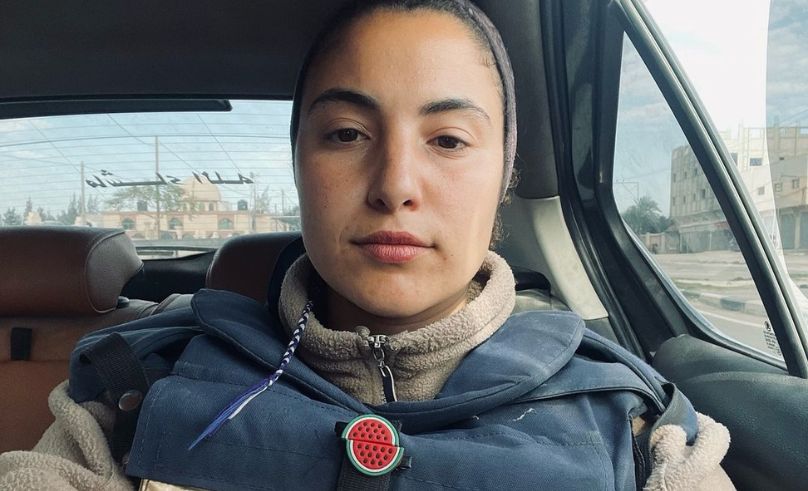
The temporary loss of her platform sparked considerable concern among her followers and advocates for press freedom. Owda's videos serve as a vital window into the realities faced by civilians in Gaza, offering perspectives often absent from mainstream media coverage. Her account's deletion, therefore, was viewed not just as a technical glitch but as a potential threat to an important channel of information.
The Context of the Account Deletion
The incident occurred shortly after TikTok's acquisition by a new consortium of US investors, as reported by sources including Al Jazeera. This timing led to widespread speculation about whether the deletion was a content moderation action related to the platform's changing policies or ownership. While TikTok has not publicly detailed the specific reason for the initial takedown, the swift reinstatement following public outcry highlights the platform's responsiveness to user and media pressure in this instance.
Significance for Journalism in Conflict Zones
Bisan Owda's work exemplifies the growing role of social media journalists, or "citizen journalists," in conflict zones. When traditional media access is restricted or dangerous, these individuals use platforms like TikTok, Instagram, and X (formerly Twitter) to broadcast real-time updates. Their accounts become essential tools for bearing witness and challenging official narratives. The vulnerability of these accounts to deletion, whether by algorithmic error or policy enforcement, poses a direct risk to the global public's right to information.

The restoration of Owda's account is a positive outcome, but it underscores a persistent issue: the immense power social media companies wield over public discourse, especially regarding sensitive geopolitical topics. Journalists operating in contested areas often find their content and accounts subject to heightened scrutiny and inconsistent application of community guidelines.
Broader Implications for Platform Governance
This event feeds into the ongoing global debate about content moderation, transparency, and the accountability of major tech platforms. As reported, the ownership change at TikTok adds another layer of complexity, as new investors may influence platform governance and content policies. Cases like Owda's raise critical questions about the processes for appealing account suspensions and the criteria used to flag or remove content related to wars and humanitarian crises.
For journalists and activists, the key takeaway is the demonstrated importance of public advocacy. The outcry from Owda's audience was likely instrumental in reversing the account's deletion. It serves as a reminder that collective digital pressure can be an effective tool for holding platforms accountable.
In conclusion, Bisan Owda's regained access to TikTok is more than a personal victory; it is a small but important win for journalistic freedom in the digital age. It highlights the fragile ecosystem upon which modern conflict reporting sometimes depends and reinforces the need for clear, fair, and transparent policies from social media giants. As platforms continue to evolve under new ownership and regulatory pressures, protecting the accounts of those who document human experiences in crisis zones must remain a priority.