Read on nature.com
Hungry Immune Cells: The Nightly Cleanup Crew in Sleeping Fly Brains
New research reveals a fascinating biological housekeeping process in fruit flies, where specialized immune cells become active during sleep to clear waste fats from the brain. This discovery, published in Nature, provides crucial insights into the fundamental connection between sleep and brain maintenance across species. The study highlights how microglia-like cells in Drosophila engage in phagocytosis specifically during sleep periods, suggesting conserved mechanisms for neural health. Understanding these processes could illuminate broader principles of brain function, waste clearance, and the essential restorative role of sleep in biological systems.
Sleep is universally recognized as essential for health, but the precise cellular mechanisms that make it restorative, especially for the brain, are still being uncovered. A groundbreaking study published in Nature has illuminated a critical piece of this puzzle by observing a specialized population of immune cells in fruit flies that become active during sleep to perform vital cleanup duties. These cells, akin to microglia in vertebrates, appear to be responsible for clearing waste fats from the sleeping fly's brain, establishing a direct link between the sleep state and fundamental cellular maintenance processes. This research not only advances our understanding of neurobiology in model organisms but also suggests that the principles of sleep-dependent brain cleansing may be deeply conserved across the animal kingdom.

The Discovery: Immune Cells as Sleep-Time Janitors
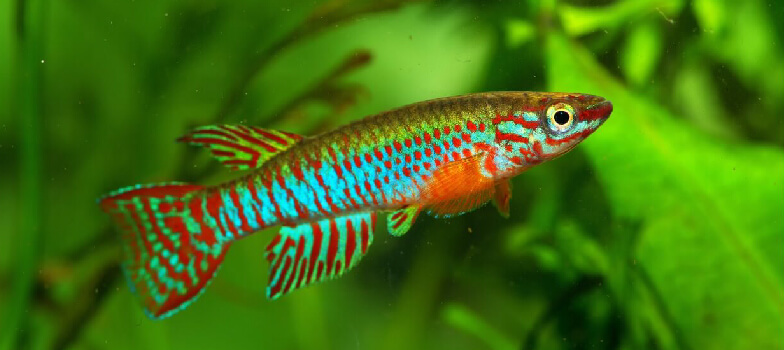
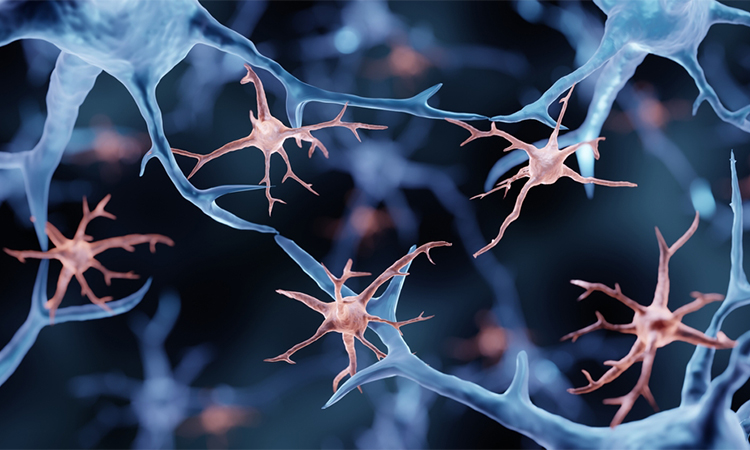
The research, led by Cho et al. and detailed in Nature, focused on the brain of the common fruit fly, Drosophila melanogaster. Scientists identified a specific type of immune cell within the fly's brain that exhibits heightened phagocytic activity—the process of engulfing and digesting cellular debris and waste—exclusively during periods of sleep. These cells function similarly to the microglia found in mammalian brains, which are known to prune synapses and clear debris. The key finding was that these "hungry" cells specifically target lipid-rich waste products, suggesting that sleep provides a necessary window for the clearance of metabolic byproducts that accumulate during waking neural activity.
Mechanism and Significance of Sleep-Dependent Clearance
The study proposes a model where the sleeping brain state creates a permissive environment for this cleanup operation. During wakefulness, the brain is metabolically active, processing information and consuming energy, which generates waste. The research indicates that sleep may trigger specific signaling pathways that activate these resident immune cells, directing them to seek out and consume lipid droplets and other fatty debris. This process is crucial for maintaining neuronal health and function, preventing the toxic accumulation of waste that could impair neural circuits. The fact that this mechanism is observed in the relatively simple brain of a fly implies it is a fundamental, evolutionarily ancient aspect of sleep's function, potentially preceding the complex sleep patterns seen in vertebrates.
Broader Implications for Neuroscience and Health
This discovery has significant implications for our understanding of brain health across species. It reinforces the hypothesis that one of sleep's core functions is to provide a period of dedicated metabolic maintenance and waste clearance for the central nervous system—a concept often referred to as the "glymphatic" system in mammals. By identifying the specific cell type and waste target (fats) in flies, the research opens new avenues for exploring how sleep disruptions might contribute to neurological disorders linked to toxic protein or lipid accumulation. Furthermore, using Drosophila as a model allows for powerful genetic manipulations, enabling future studies to pinpoint the exact genes and molecular signals that switch this cleaning function on during sleep and off during wakefulness.
In conclusion, the image of "hungry" immune cells tidying up the sleeping fly's brain provides a elegant and powerful metaphor for the essential, life-sustaining work of sleep. This research, accessible via Nature, bridges invertebrate and vertebrate neuroscience, highlighting a conserved biological imperative: the brain requires downtime not for idleness, but for active, cellular-level housekeeping. As we continue to unravel these processes, we deepen our appreciation for sleep as a non-negotiable pillar of cognitive health and biological maintenance.